Public comment dominates Buncombe County, Asheville school board meetings
Public comment pushed leadership and budget issues to the front at Asheville City and Buncombe County school board meetings, as Rob Jackson’s retirement and a new principal drew scrutiny.
Public comment drove the latest meetings of both the Asheville City and Buncombe County school boards, turning routine agendas into a public airing of leadership concerns, budget questions and expectations for the next phase of school governance. The discussion showed that parents and residents are not waiting quietly on the sidelines; they are using the public mic to press both systems on who leads, how money is spent and whether recent changes are building confidence.
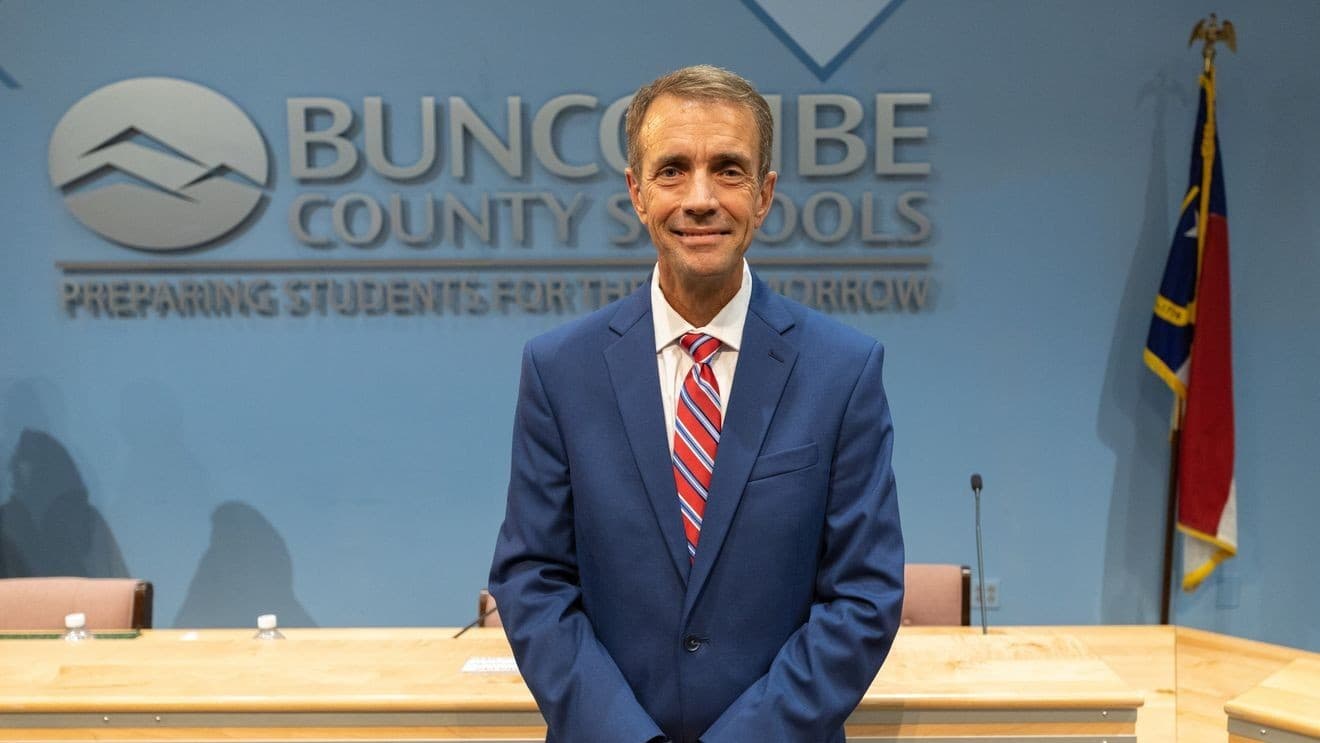
In Buncombe County, Superintendent Rob Jackson’s retirement was one of the headline items, placing the district in a period of transition rather than stability. That shift matters well beyond the superintendent’s office. Leadership changes at the top can affect teacher morale, the pace of school improvement and how quickly the district responds to academic and facility needs. For families watching the county system, Jackson’s retirement made the question of continuity unavoidable.

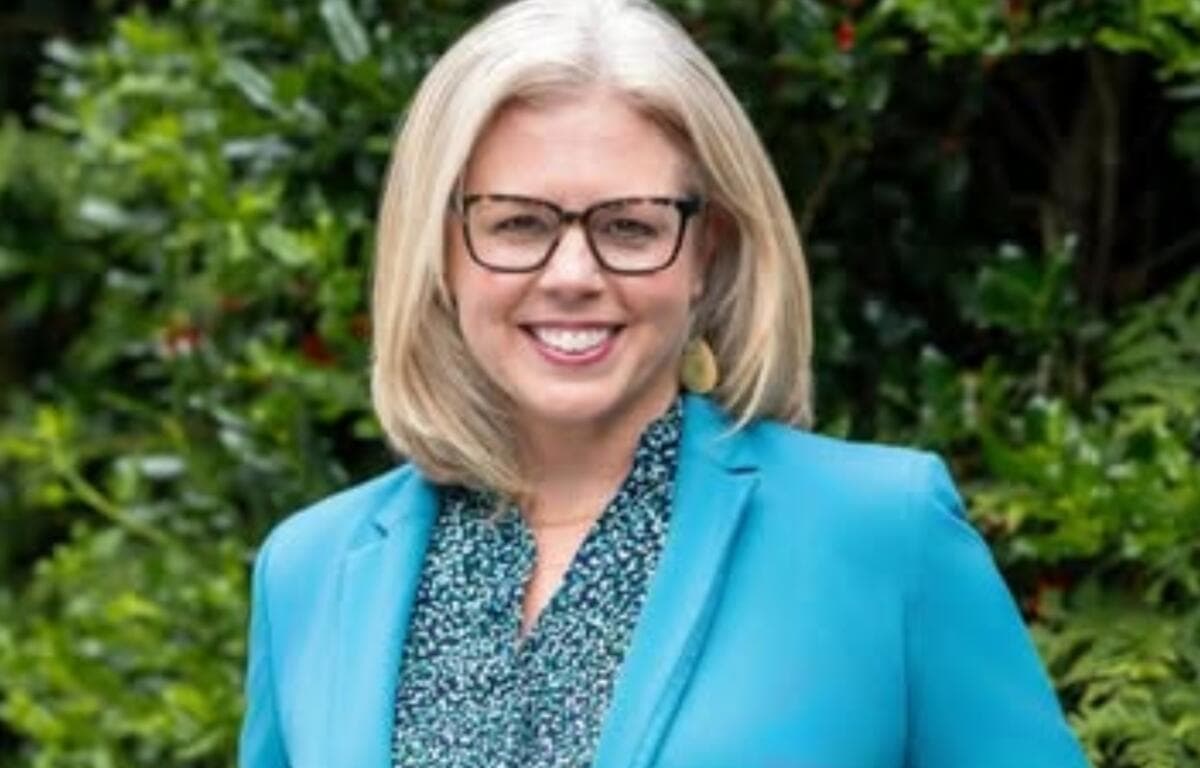
Asheville City Schools faced a different kind of scrutiny. Concerns about a new principal showed that leadership changes inside individual schools are being watched closely by parents and community members who want to know what kind of culture and direction will shape their children’s classrooms. The attention to a single principal position suggests that trust is being built, or tested, at the school level as much as at the district level. In a city system where school climate can shape enrollment, retention and parent confidence, those concerns carry weight.
Budget updates also drew attention, underscoring that the public is linking school priorities to broader county finances. Residents were not just reacting to staffing changes; they were also measuring how those changes fit into spending decisions and long-term planning. That crossover between leadership and budgets points to the central pressure point in both districts: people want to know not only who is in charge, but whether the systems are making choices that reflect classroom needs and taxpayer expectations.
The clearest takeaway from the meetings was that public input is doing more than filling a comment period. It is revealing the issues that most urgently animate Buncombe County families right now, from superintendent turnover to school-level leadership and fiscal priorities. The boards are hearing similar concerns about trust, direction and accountability, even as each district faces its own distinct set of questions.
This article was produced by Prism’s automated news system from verified source data, official records, and press releases, then run through automated quality and moderation checks before publishing. The system is built and supervised by the people who set the standards it runs under. Read our full AI policy.
Did this article answer your question?