Residents Pressure Asheville Council Over Projected $30M Shortfall
Residents packed the Feb. 24 council meeting as staff warned a roughly $30 million General Fund gap, now estimated at $26.4M by staff, that could require taxes, fees or cuts.

1. Packed chamber and public pressure
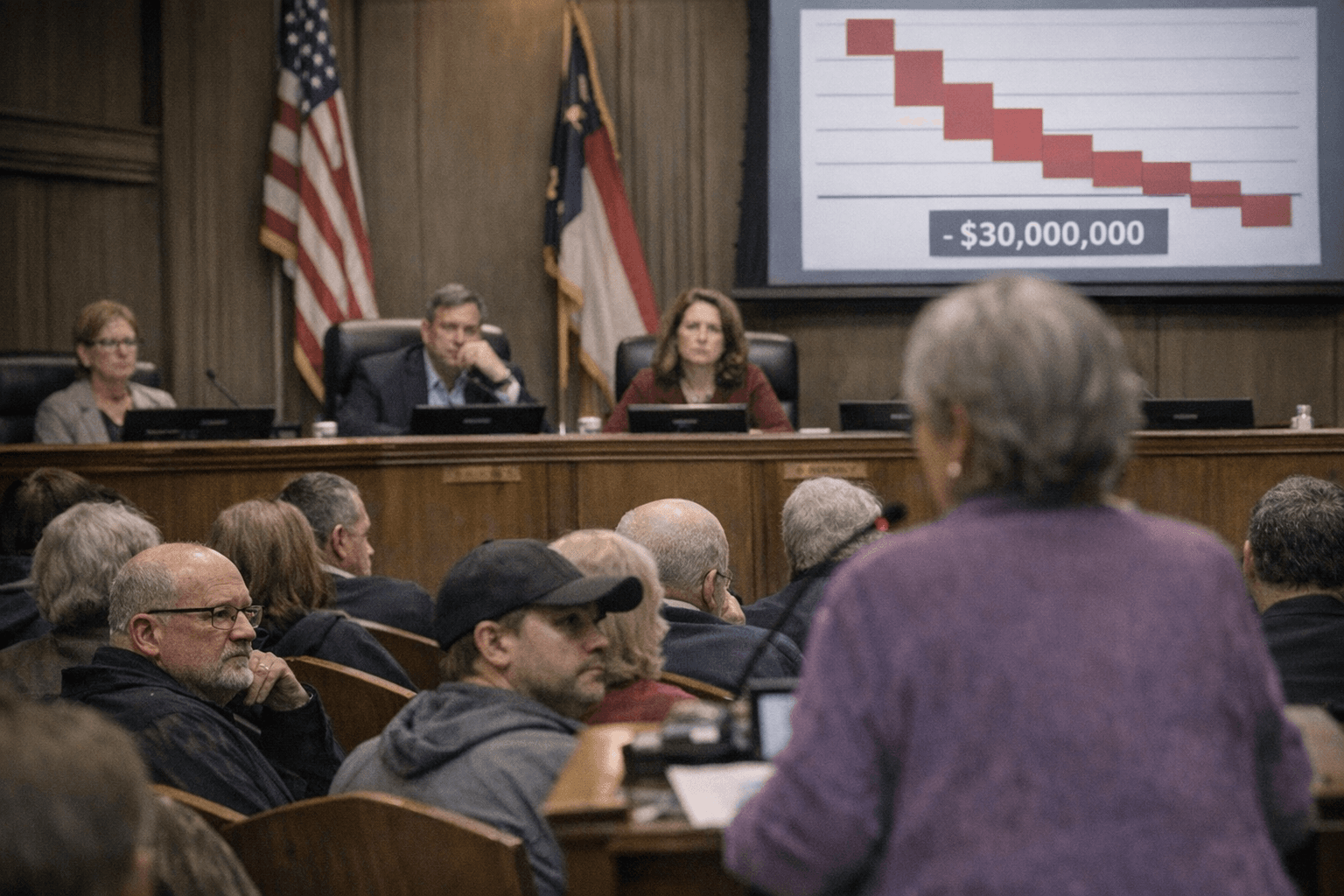
Residents filled the Asheville City Council chamber on Feb. 24, pressing elected officials about the budget outlook and potential impacts on everyday services; WLOS photo coverage credited to WLOS Staff showed the large turnout. Multiple local outlets said people packed the meeting to voice concerns about possible tax increases, service cuts and what organizers called a roughly $30 million projected gap in the city’s General Fund. The turnout amplified a wide range of community priorities, transit, living wages and protections for low‑income residents, and made clear the political stakes as candidates and civic groups used the public comment period to press their agendas.
2. Shortfall figures: $30.4M → $26.4M, and why the numbers differ
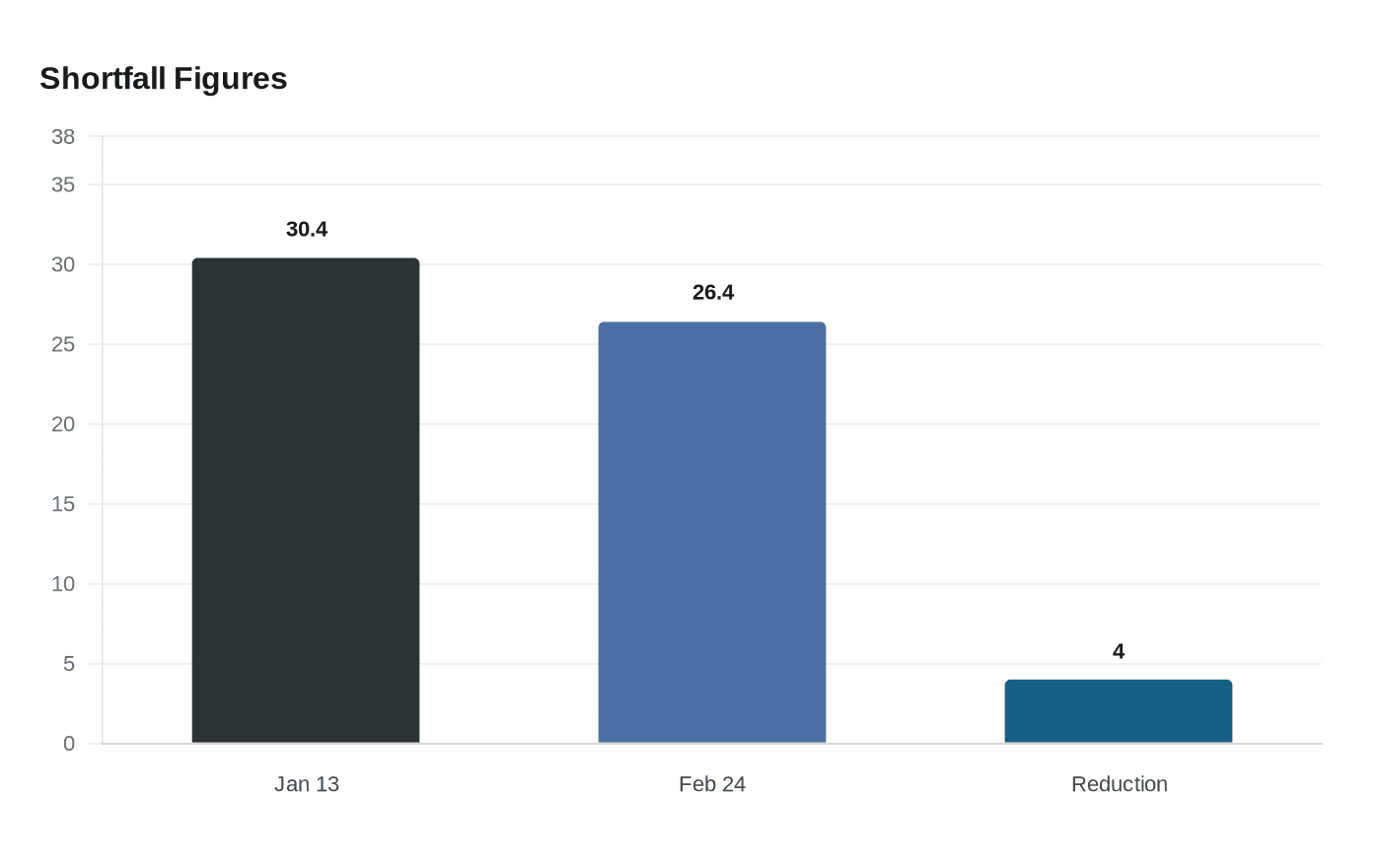
City budget figures have been reported two ways across local coverage: BPR documented an earlier staff presentation that put the gap at $30.4 million on Jan. 13, then reported Lindsay Spangler’s updated staff projection at a work session prior to Feb. 24 as $26.4 million, a $4 million reduction attributed to accounting adjustments and the decision to continue some previously considered one‑time options. Other local outlets and photo captions used the rounded phrase “roughly $30 million” when describing the projected General Fund gap, creating parallel but distinct framings in public reporting. Reporters and residents alike should treat both figures as reported: the $26.4 million reflects the staff update documented by BPR, while several outlets summarized the shortfall as roughly $30M in headlines and captions.
3. Why the gap exists: one‑time fixes and recurring cost pressures
City staff, as relayed by Lindsay Spangler, tied most of the projected shortfall to the inability to repeat “one‑time” fixes that balanced the current fiscal year, and to recurring cost pressures that are now surfacing in the budget outlook. Spangler warned bluntly: “With the size that we’re looking at, we don’t believe it’s possible to balance the budget just with budget reductions,” and staff “will ultimately need to bring Council options for revenue increases as well, including fees and charges and property tax increases.” Reported operational drivers include rising employee health care costs, higher transit contract expenses, public safety staffing needs and community center security costs; BPR specifically noted updated health care accounting as part of the $4M revision between the Jan. 13 and later staff figures.
4. Public comment: who spoke and what they demanded
Several named residents and advocates used the public comment period to lay out priorities and red lines. Paul Howell warned against reflexive tax hikes: “Every time a budget comes up, it seems like the first thing that happens is property taxes increase.” Rachel Cohen of Sunrise Movement WNC framed transit as essential: “Public transit is an essential service for folks here. It is how people get to work, it is how they get to doctors' appointments, it’s how they get to the grocery store,” and she suggested exploring a new sales tax to fund transit. Vicki Meath of Just Economics reminded Council that “budgets demonstrate values” and pushed to maintain progress on living wages; Just Economics calculated a living wage at $24.10 per hour, “up about 4% from last year.” Former candidate Nina Tovish urged commitments to living wages and suggested automatic enrollment for eligible homeowners into property tax relief programs to shield vulnerable residents. West Asheville candidate Kyle Turner argued the problem is structural: “Asheville is not facing a temporary budget gap. We’re facing a structural deficit where recurring expenses outpace recurring revenues.” David Moritz urged officials to reassess the pace and scope of government growth as population gains have been modest. Collectively, these comments framed a community unwilling to accept service rollbacks that disproportionately harm low‑income residents and transit riders.
5. Options, constraints and the calendar, what happens next
City staff and legal counsel laid out limited paths forward and a compressed timetable. Spangler and budget staff signaled that balancing the upcoming budget will require a mix of revenue and spending changes, from fees and property tax increases to targeted cuts, with work sessions continuing through April and a proposed budget scheduled for presentation on May 12. Legal constraints complicate specific revenue ideas: City Attorney Brad Branham told Council that implementing a local transit sales tax would require approval from the North Carolina General Assembly and is unlikely to be actionable before the legislature’s next long session in 2027. That timeline narrows immediate options for funding transit and forces the Council to weigh locally available revenue tools and structural reforms in the coming months. With 20 candidates vying for three council seats and several contenders already using the budget as a campaign issue, the decisions made through April and at the May 12 proposal will shape both service levels and the political map, and will determine whether Asheville addresses the shortfall with one‑time patches, recurring revenue changes, or more fundamental structural reform.
This article was produced by Prism’s automated news system from verified source data, official records, and press releases, then run through automated quality and moderation checks before publishing. The system is built and supervised by the people who set the standards it runs under. Read our full AI policy.
Did this article answer your question?