Roy Cooper visits Asheville to pitch affordability and lower costs
Roy Cooper brought his affordability pitch to Asheville, linking health care bills and tariffs to the prices Buncombe County families feel every day.

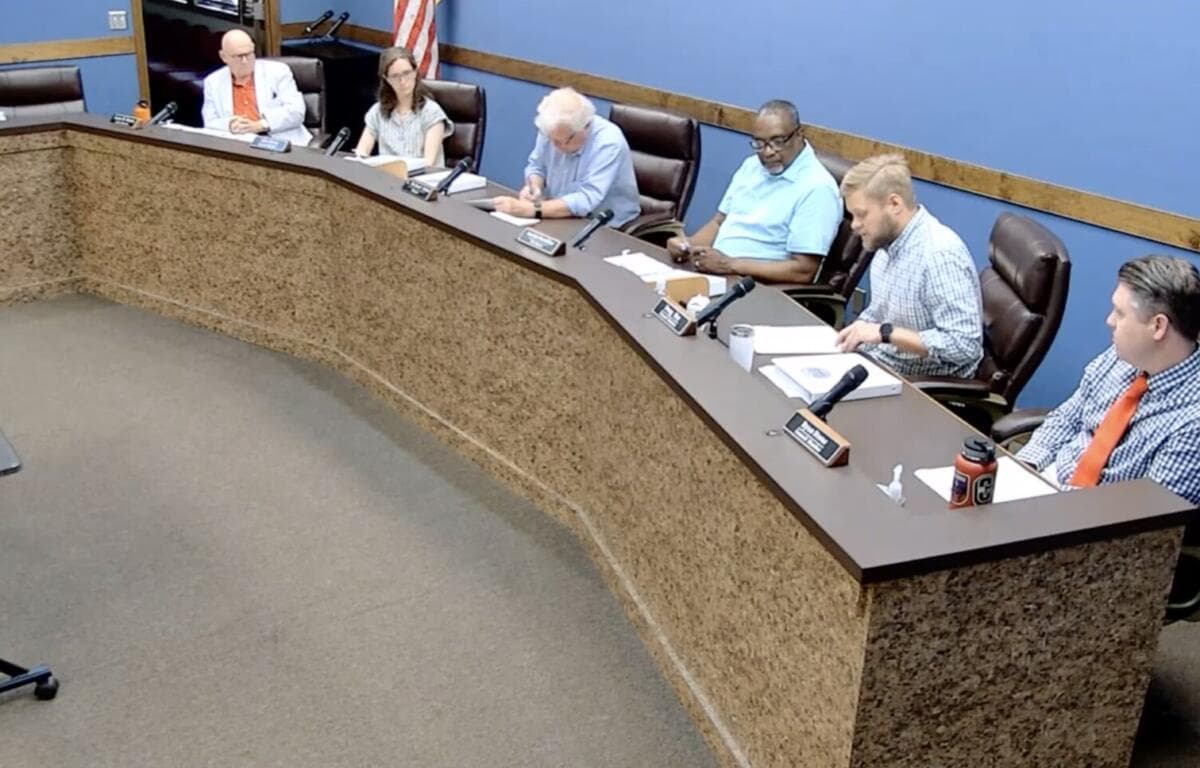
Roy Cooper brought his Make Stuff Cost Less tour to Asheville on June 26, using the Buncombe County stop to argue that everyday life is too expensive and to frame his Senate campaign around lowering costs. His campaign said the event focused on affordability for working North Carolinians, with tariffs and health care costs at the center of the message.
The Asheville visit gave Cooper a local stage in a region where health care bills can collide with deeper worries about access and price. Mission Hospital in Asheville has faced repeated state and federal compliance scrutiny since HCA Healthcare bought it in 2019, and in April 2026 it was approved to expand even as rival nonprofit proposals were denied. For voters watching those developments, Cooper’s emphasis on health costs was aimed at one of the most visible and expensive parts of life in Western North Carolina.

A local business owner, Namurah Blakely, said tariffs and health care cuts were driving up prices for families and businesses, underscoring how the campaign tried to connect Washington policy with day-to-day costs in Asheville. Cooper’s team also drew a sharp contrast with Republican Michael Whatley, arguing that Whatley backs policies that are making prices worse.
The Asheville stop was not Cooper’s first affordability pitch in the city. On March 18, his campaign held another Asheville event focused on utility costs, and the campaign said then that it was developing a plan to bring those bills down. That repeated use of Asheville suggests Cooper sees the city as a useful testing ground for a campaign message built on groceries, power bills and insurance premiums rather than broader ideological themes.
The health care argument also reaches into Medicaid. NC Medicaid says North Carolina’s expansion took effect on December 1, 2023 and covers adults ages 19 through 64 with higher incomes. In a state where coverage and out-of-pocket costs remain closely linked, that policy background helps explain why Cooper is making affordability a central theme of his Senate run.
Asheville has become one of the places where Cooper is trying to turn pocketbook pressure into a political argument, tying local health care and tariff worries to a statewide race that he wants voters to judge by what they pay.
This article was produced by Prism’s automated news system from verified source data, official records, and press releases, then run through automated quality and moderation checks before publishing. The system is built and supervised by the people who set the standards it runs under. Read our full AI policy.
Did this article answer your question?