Save the Woods Fundraiser Protects UNCA-Adjacent Urban Forest
Local organizers behind Save the Woods are hosting a silent auction fundraiser at Urban Orchard Cider Co. to preserve 45 acres of forest adjacent to UNC Asheville. Residents will learn event details, how to participate, and the broader civic and policy implications for Buncombe County.
1. Save the Woods campaign overview
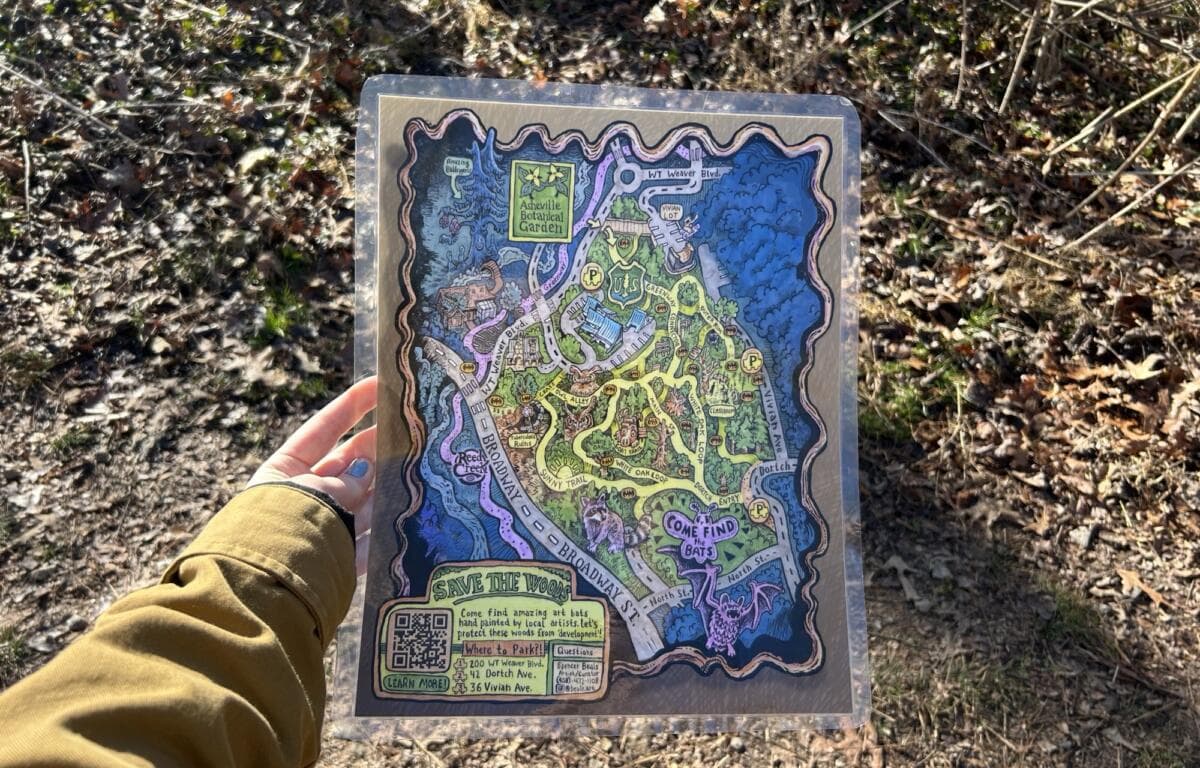
Save the Woods is a community-led effort to preserve 45 acres of urban forest around UNC Asheville. The campaign frames the property as a shared neighborhood resource with significant environmental and civic value.
2. Partnership with Urban Orchard Cider Co.
The fundraiser is held in partnership with Urban Orchard Cider Co., strengthening ties between conservation organizers and local business. That partnership helps draw volunteers, patrons, and media attention to the preservation effort.
3. Event format: silent auction
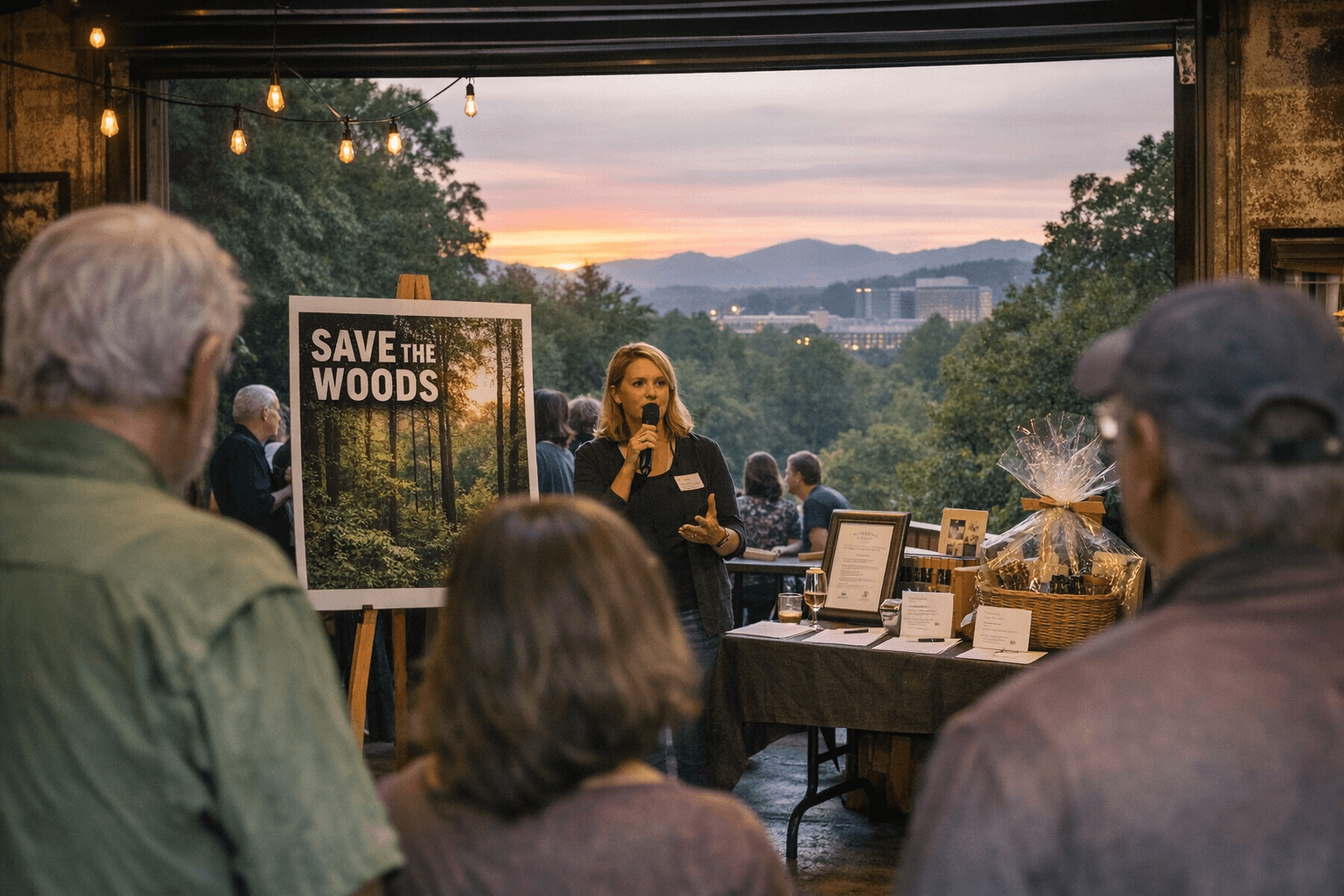
The primary fundraiser event is a silent auction designed to engage bidders in a social setting while raising funds efficiently. Silent auctions help convert community interest into tangible financial support for conservation.
4. Date and time of the fundraiser
The silent auction takes place Friday, Jan. 23, from 6–8 p.m., allowing evening attendance by working residents. A predictable schedule helps maximize turnout and volunteer coordination.
5. Venue address and accessibility
Urban Orchard is located at 24 Buxton Ave., offering a central, walkable venue for many Buncombe residents. Hosting in a familiar neighborhood spot lowers logistical barriers to participation.
6. Scale of auction items
Organizers report there will be over 70 items available to bid on, giving attendees many ways to contribute. A larger item pool can increase overall fundraising totals and broaden appeal.
7. Local artist contributions
More than 40 local artists have donated original artwork, showcasing Asheville’s creative community. Artist involvement deepens cultural connections and helps the public see conservation as part of local identity.
8. Local business participation
Roughly 30 local businesses are contributing products or services to the auction, linking economic and environmental interests. Business support demonstrates private-sector buy-in for preserving neighborhood green space.
9. First-50-guest incentive
The first 50 guests receive a token for a free drink, encouraging early arrival and initial crowd momentum. Incentives like this can boost visibility and sustain social energy during the event.
10. Campaign purpose: funds and awareness
The fundraiser seeks both to raise funds and to build awareness about protecting the UNCA-adjacent forest. Dual goals combine immediate resource needs with longer-term public engagement.
11. Official campaign website
Save the Woods directs residents to saveuncawoods.org for campaign details, donation options, and updates. A central website provides transparency and a consistent place for official information.
12. Community-led structure
The campaign is described as community-led, indicating grassroots organizing rather than top-down management. That structure can increase local ownership and democratic participation in conservation choices.
13. Importance of UNCA adjacency
The forest’s proximity to the University of North Carolina Asheville creates opportunities for student access, research, and campus-community collaboration. University adjacency also raises stakes for campus planning and land-use decisions.
14. Biodiversity and habitat benefits
Preserving 45 acres protects urban forest habitat that supports local plants and wildlife. These ecological benefits contribute to resilience and species richness in Buncombe County.
15. Stormwater and environmental services
An intact urban forest reduces runoff and improves stormwater management for surrounding neighborhoods. These natural services can lower municipal infrastructure costs and flood risk.
16. Recreation and open-space value
Protected forest provides nearby recreational space for walking, learning, and relaxation, improving quality of life. Accessible green space supports community health and neighborhood cohesion.
17. Educational and research opportunities
The forest offers potential for UNCA classes, field research, and K–12 partnerships focused on ecology and conservation. Educational use links stewardship to curricular benefits and future workforce skills.
18. Local economic support linkage
Auction proceeds and business involvement channel economic activity into conservation rather than development. This alignment can demonstrate how environmental preservation and local economies can coexist.
19. Volunteer and civic engagement roles
The campaign provides volunteering opportunities for residents to help with outreach, event staffing, and stewardship. Volunteer engagement builds social capital and sustained attention to the site.
20. Visibility and foot-traffic benefits
Hosting the auction at a popular cider house increases foot traffic and public visibility for the preservation cause. Higher visibility translates into broader community awareness and potential donors.
21. Expectations for donor transparency
Organizers are positioned to communicate how funds will be used, reinforcing donor trust and accountability. Clear reporting on expenditures strengthens long-term support.
22. Likely funding uses
Raised funds are intended for conservation actions such as acquisition, stewardship, or legal protection of the forest. Targeted uses align donor intent with measurable conservation outcomes.
23. Role for local government
County and municipal agencies may be engaged for zoning, acquisition support, or matching funds in future phases. Constructive government involvement can accelerate long-term protection.
24. Zoning and land-use policy implications
Preservation raises questions about zoning, allowable uses, and development pressure in the UNCA-adjacent area. Outcomes could influence future land-use decisions across Buncombe County.
25. Tax incentives and finance tools
Conservation efforts may leverage tax incentives, grants, or public-private financing to secure the land. Understanding available fiscal tools helps align community fundraising with institutional mechanisms.
26. University institutional role
UNC Asheville can act as a stakeholder, educational partner, and advocate for the forest’s preservation. University engagement can bring technical expertise and student energy to stewardship efforts.
27. Importance of long-term stewardship
Acquiring land is only the first step; long-term stewardship is required to maintain ecological health and public access. Sustainable management plans should be part of any preservation strategy.
28. Equity and access considerations
Organizers should consider equitable access so all community members benefit from preserved green space. Addressing barriers such as mobility and programming ensures broader public value.
29. Public health and wellbeing impacts
Nearby green space supports mental health, physical activity, and community wellbeing for residents and students alike. Health benefits bolster arguments for public investment in preservation.
30. Climate resilience contributions
Urban forests sequester carbon and moderate local temperatures, contributing to climate resilience strategies. Protecting such parcels supports county-level climate adaptation goals.
31. Voting patterns and local politics
Environmental preservation can shape local voting behavior, particularly in municipal and county races that address land-use priorities. Campaigns that mobilize voters on conservation issues can influence policy agendas.
32. Mobilizing civic participation through environment
Events like this fundraiser provide a nonpartisan avenue to mobilize residents into civic activity and public dialogue. Sustained participation often translates into broader civic engagement beyond a single cause.
33. Grassroots advocacy model
Save the Woods exemplifies grassroots organizing that combines events, partnerships, and digital outreach to build momentum. This model can be replicated for other local preservation efforts.
34. Small business civic contributions
Local businesses supporting the auction reinforce the role of the private sector in community stewardship. Such contributions can strengthen ties between commerce and neighborhood priorities.
35. Cultural value of donated artwork
Artist-donated works highlight cultural connections to place and help raise funds while celebrating local creativity. Cultural framing can broaden appeal beyond strictly environmental constituencies.
36. Accountability and public reporting
Organizers should provide post-event accounting and progress updates to maintain public confidence. Clear communication supports continued financial and volunteer support.
37. How residents can participate at the event
Residents can attend Jan. 23, bid in the silent auction, and engage with organizers and volunteers. Early arrival is rewarded for the first 50 guests who receive a free-drink token.
38. How to contribute online
Supporters who cannot attend can visit saveuncawoods.org to learn donation options and campaign updates. Online channels expand participation beyond event attendees.
39. Sustained engagement after the fundraiser
Organizers aim to convert event participants into ongoing supporters for future actions and stewardship. Long-term engagement is essential to secure permanent protection.
40. Measuring campaign success
Success can be measured by funds raised, new donors engaged, and increased awareness in the community. Clear metrics help guide next steps and resource allocation.
41. Opportunities for broader partnerships
Future partnerships could include other nonprofits, universities, or grant-making bodies to amplify impact. Building a coalition increases resource diversity and institutional capacity.
42. Risks from development pressure
Without protection, the site faces potential development that could fragment habitat and reduce public access. Awareness and timely action are critical to prevent irreversible change.
43. Legal protection tools
Conservation easements, land acquisition, and municipal designations are common legal tools to secure long-term protection. Identifying appropriate legal instruments should follow from fundraising success.
44. Timeline and next steps
Following the Jan. 23 fundraiser, organizers will tally results, report outcomes, and plan subsequent phases of the campaign. Clear timelines help sustain momentum and volunteer commitment.
45. Staying informed and involved
Visit saveuncawoods.org and connect with campaign organizers to receive updates and volunteer opportunities. Ongoing community participation will determine the long-term fate of the 45-acre urban forest.
Know something we missed? Have a correction or additional information?
Submit a Tip