Six Asheville City Alumni Selected in 2026 MLS SuperDraft
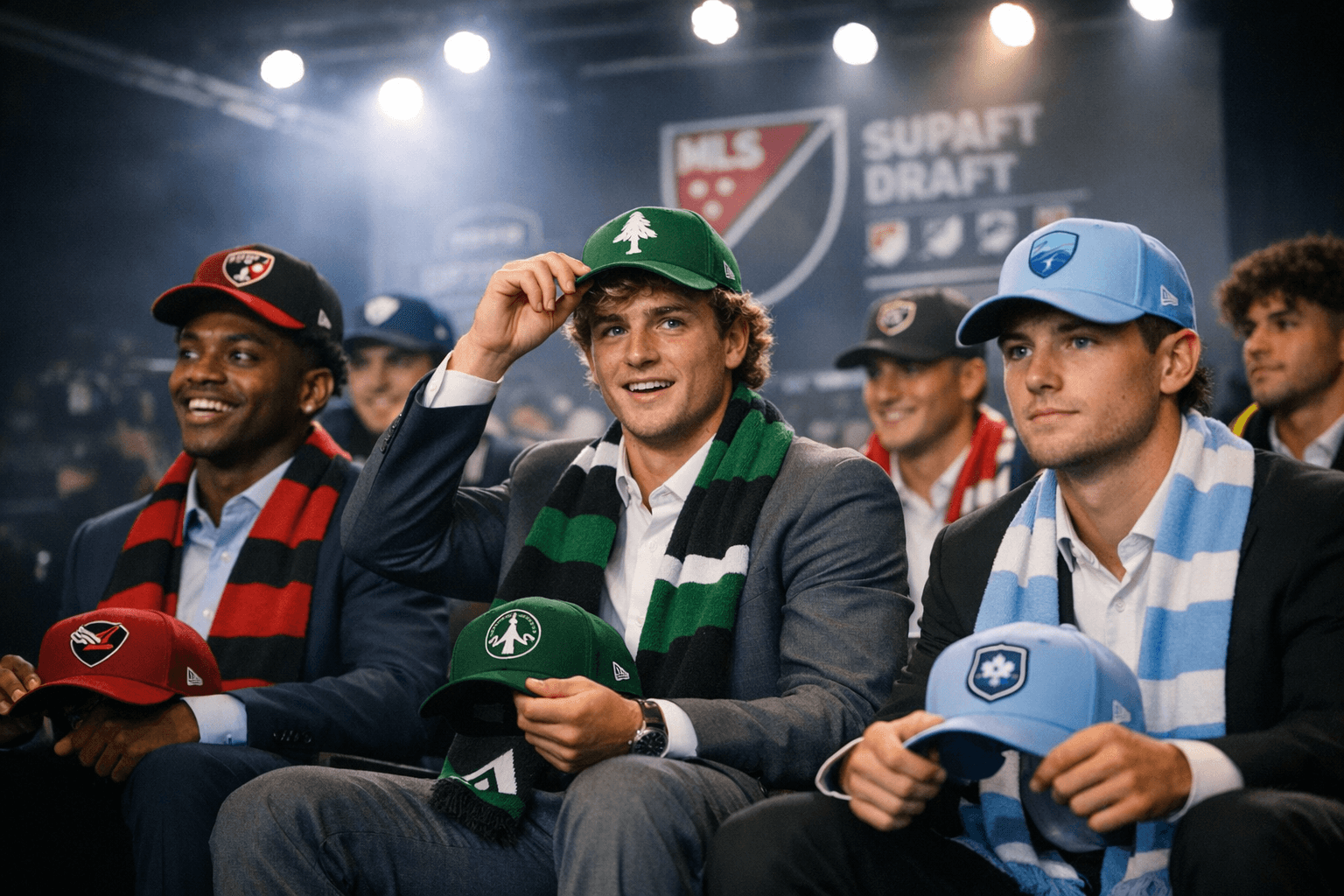
Six former Asheville City Soccer Club players were taken in the 2026 MLS SuperDraft on December 22, 2025, setting a new club record and tying for the most alumni selected from any USL League Two club this year. The selections mark a milestone for local player development and may increase attention to Buncombe County youth programs, match day attendance and sponsorship opportunities.

Asheville City Soccer Club reached a new high in the national talent pipeline when six former Blues were selected in the 2026 MLS SuperDraft, a club record that eclipsed the five players taken in 2023. The picks took place December 22, 2025, and included two first round selections, three second round picks and one third round choice, underscoring the club's growing reputation as a development platform.
UNC Greensboro midfielder Issah Haruna was selected by Orlando City with the 20th overall pick. UNC defender Dylan Kropp went to Real Salt Lake at No. 25. Three former Asheville City players followed in the second round with UIC midfielder Edouard Nys chosen at No. 40 by FC Dallas, UCLA midfielder Tarun Karumanchi taken at No. 49 by Columbus Crew, and Kentucky defender Max Miller selected at No. 50 by Nashville SC. Seton Hall defender Agustin Resch rounded out the group when the Houston Dynamo picked him at No. 69 in the third round. The six selections bring Asheville City to 14 players drafted across the last four MLS SuperDrafts dating back to 2023, an average of 3.5 draftees per year.
For Buncombe County the short term effects are visible. Increased national visibility can draw more scouts and college coaches to local showcases and home matches, which can lift match day attendance and generate incremental revenue for nearby businesses. In the medium term the club's success can strengthen sponsorship prospects and partnerships with regional colleges and training academies.
From a policy perspective local officials and school systems may see measurable returns from modest investments in turf fields, coaching certification and travel assistance for youth athletes. The pattern also reflects a broader trend in American soccer where USL League Two clubs serve as proven pathways to professional ranks, creating localized talent economies that feed Major League Soccer. Sustained production of professional players can bolster Asheville City as an economic and cultural asset for Buncombe County while giving local youth clearer routes to the professional game.
This article was produced by Prism’s automated news system from verified source data, official records, and press releases, then run through automated quality and moderation checks before publishing. The system is built and supervised by the people who set the standards it runs under. Read our full AI policy.
Did this article answer your question?