South College Asheville graduates 200, boosting health care workforce
South College Asheville sent nearly 200 graduates into a strained health system, as Buncombe County clinics and hospitals still face worker shortages.

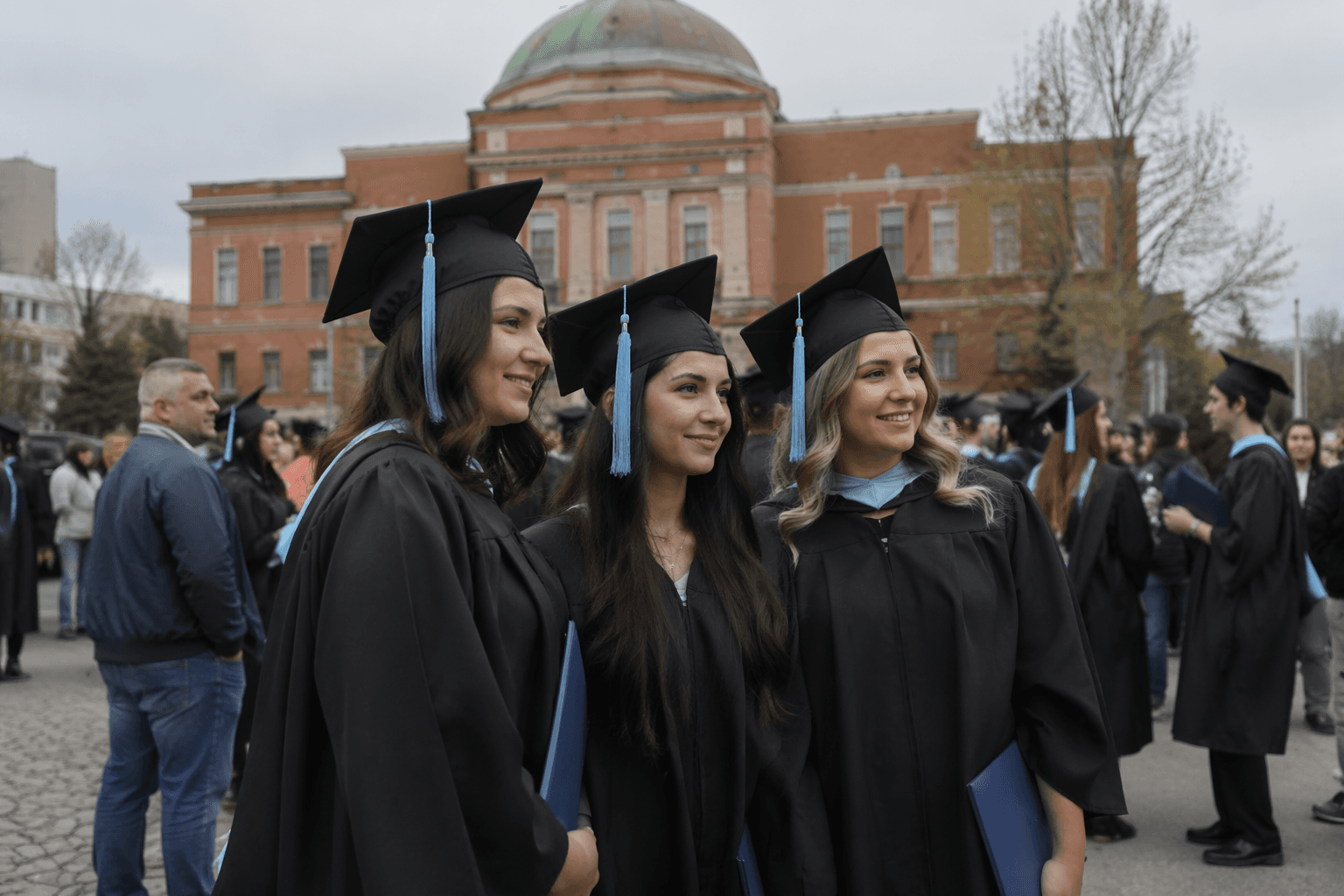
South College Asheville sent about 200 students across the stage at the Wortham Center for the Performing Arts, but the larger question in Buncombe County is whether those diplomas will translate into more nurses, medical assistants and other workers where patients need them most. The ceremony in Asheville came as North Carolina faces projected shortages of 12,500 registered nurses and more than 5,000 licensed practical nurses by 2033.
The commencement brought together graduates from healthcare and other programs, including three sets of sisters who finished side by side. One of the day’s most personal moments belonged to Laci Harwood, who received her third diploma from South College Asheville President Dr. Samantha Sircey. Sircey said Harwood had once been her middle school and high school principal, a reminder of how closely local education, family ties and career pathways can overlap in Western North Carolina.
Dr. Elizabeth Lima, chief well-being officer at Charles George Veterans Affairs Medical Center in Asheville, served as guest speaker. Her presence underscored the connection between the campus and the region’s health care system, where hospitals, clinics and long-term care settings continue to compete for workers with the training to fill frontline jobs.
South College Asheville opened in 2012 at 140 Sweeten Creek Road and says it serves more than 20,000 students and more than 20,000 graduates nationally. In Buncombe County, that kind of scale matters only if enough graduates stay nearby and move into open positions. The school’s growing pipeline in health professions suggests a deliberate push to meet that need, especially as the state’s aging population drives more demand for care.
State workforce planners and the North Carolina Healthcare Association have warned that people age 65 and older are expected to make up 20% of North Carolina’s population by 2035, up from 12% at the turn of the millennium. That shift is expected to increase pressure on services in rural and underserved communities, where access already depends on a thin pool of clinicians and support staff.

South College Asheville has expanded that pipeline with its Master of Health Science in Physician Assistant Studies program, launched Jan. 23, 2023. The 27-month program graduated its first cohort of 77 students on March 22, 2025, and its second cohort of 84 graduates on March 20, 2026. Another 77 students took part in the White Coat Ceremony for the fourth cohort, signaling a continuing effort to feed the region’s workforce needs.
South College says three of its Asheville healthcare programs have posted a 100% pass rate, a metric that points to strong preparation. Whether Buncombe County residents feel that success in real time will depend on how many of these graduates take jobs in local clinics, hospitals and other understaffed settings.
This article was produced by Prism’s automated news system from verified source data, official records, and press releases, then run through automated quality and moderation checks before publishing. The system is built and supervised by the people who set the standards it runs under. Read our full AI policy.
Did this article answer your question?