Stein Announces $270 Million for Western North Carolina Water Resilience
Governor Josh Stein visited Old Fort on December 19 to announce $270 million in federal funding for drinking water and wastewater resiliency projects across Western North Carolina after infrastructure damage from Helene. The investment aims to repair and strengthen systems serving Buncombe County and neighboring communities, but officials warned that long timelines and slow FEMA reimbursements will continue to challenge local governments.
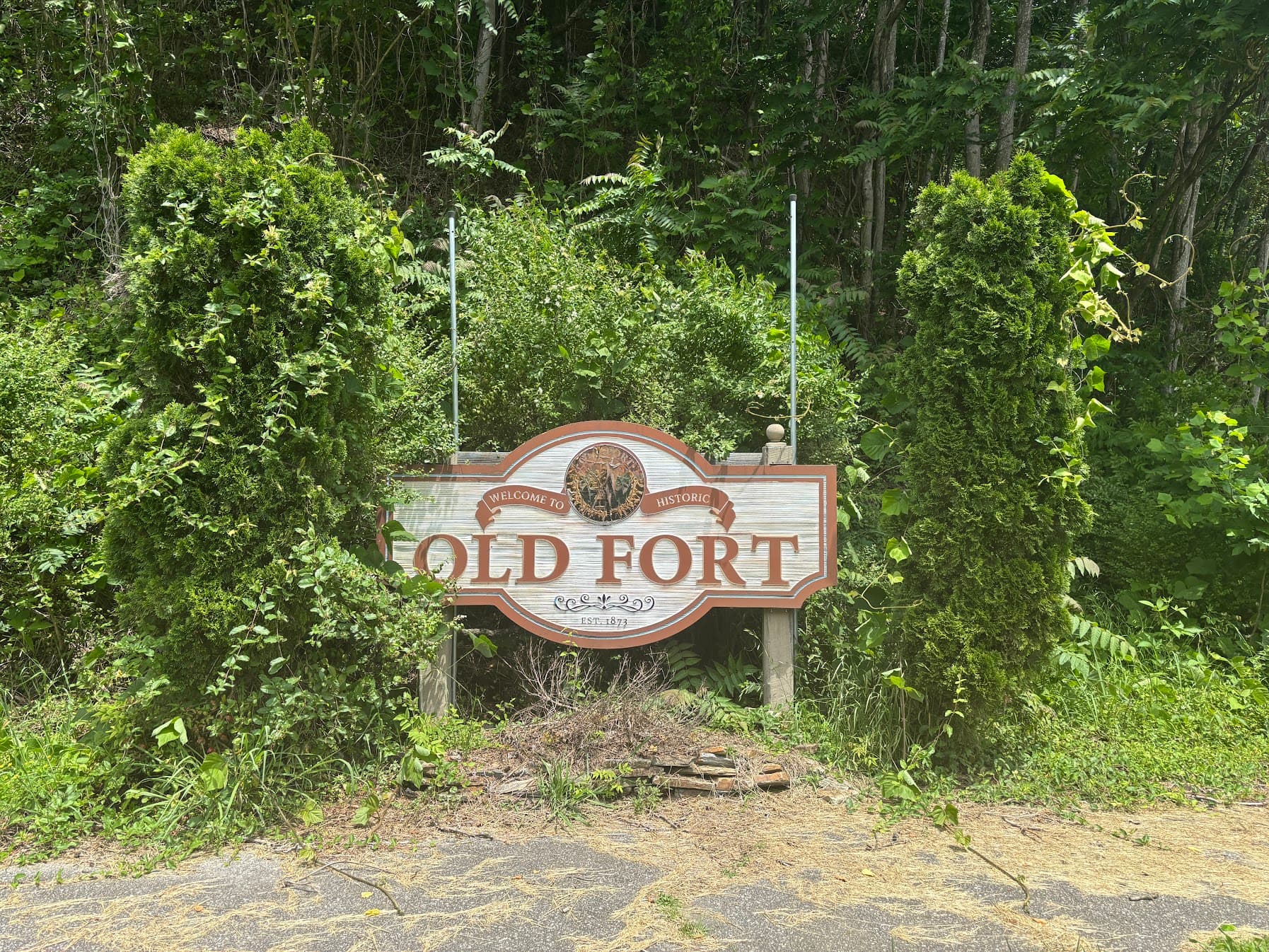
Governor Josh Stein stood in Old Fort on December 19 to unveil a $270 million federal funding package aimed at repairing and hardening drinking water and wastewater systems across Western North Carolina following damage from Helene. The funds are part of larger federal appropriations designated to address storm related infrastructure losses and to build resilience into rebuilt systems.
State officials presented the award as a targeted effort to address vulnerabilities exposed by the storm, including damaged water mains, overwhelmed treatment facilities, compromised pump stations, and sewer lines at risk from future flooding. The announcement included a list of recipient projects and the amounts allocated to them as part of the package. Funding recipients span municipal systems, regional water authorities, and smaller mountain towns that serve communities in and around Buncombe County.
For Buncombe County residents the package promises tangible benefits over time. Repaired drinking water infrastructure will reduce the risk of boil water advisories after extreme weather, and wastewater upgrades aim to prevent sewage overflows into waterways used for recreation and drinking water sources. Investments in redundancy and backup power are intended to shorten outage durations during future storms and to speed recovery for residents and businesses.

Officials emphasized that securing resilient systems will take time. Planning, engineering, permitting, and construction for complex water and sewer projects typically unfold over multiple years, and communities should expect phased work and staged disbursements. Local governments that fronted initial recovery costs remain concerned about liquidity as federal reimbursements through FEMA continue to lag. Those slow reimbursements have placed strain on municipal budgets and complicated decisions about temporary repairs and capital project sequencing.
State and local leaders said they will coordinate priorities with system operators and seek to expedite design and contracting where possible. For residents the key near term issues will be service continuity, clear communication about project timelines, and oversight to ensure funds deliver durable upgrades. The infusion of federal money marks a significant step toward long term resilience in Western North Carolina, but implementation and timely reimbursement will determine how quickly communities see relief.
Know something we missed? Have a correction or additional information?
Submit a Tip

