Stein visits Buncombe County to warn of wildfire risks after Helene
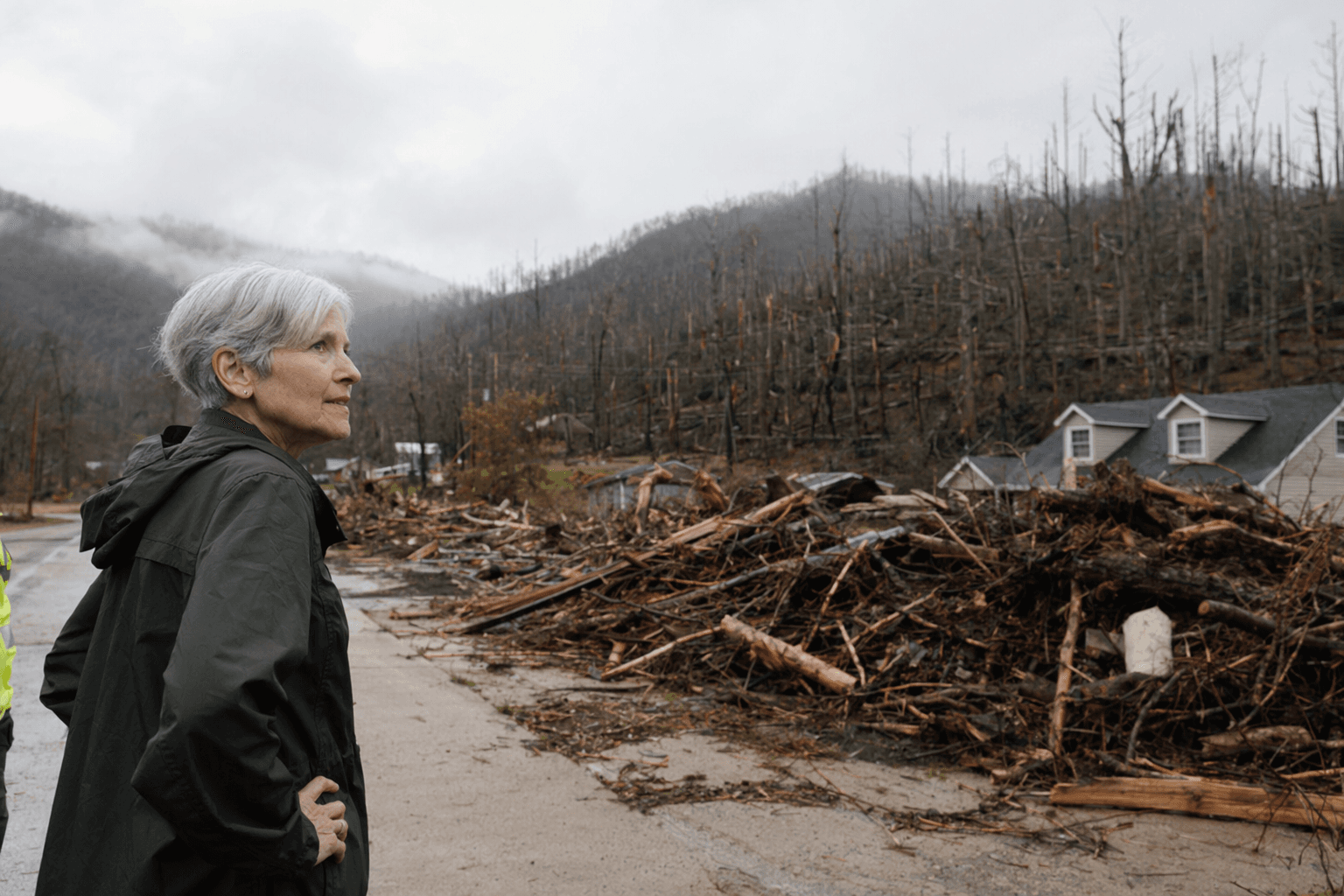
Buncombe County has already received $38 million in FEMA debris aid, but Stein said leftover Helene debris is still feeding wildfire danger across western North Carolina.
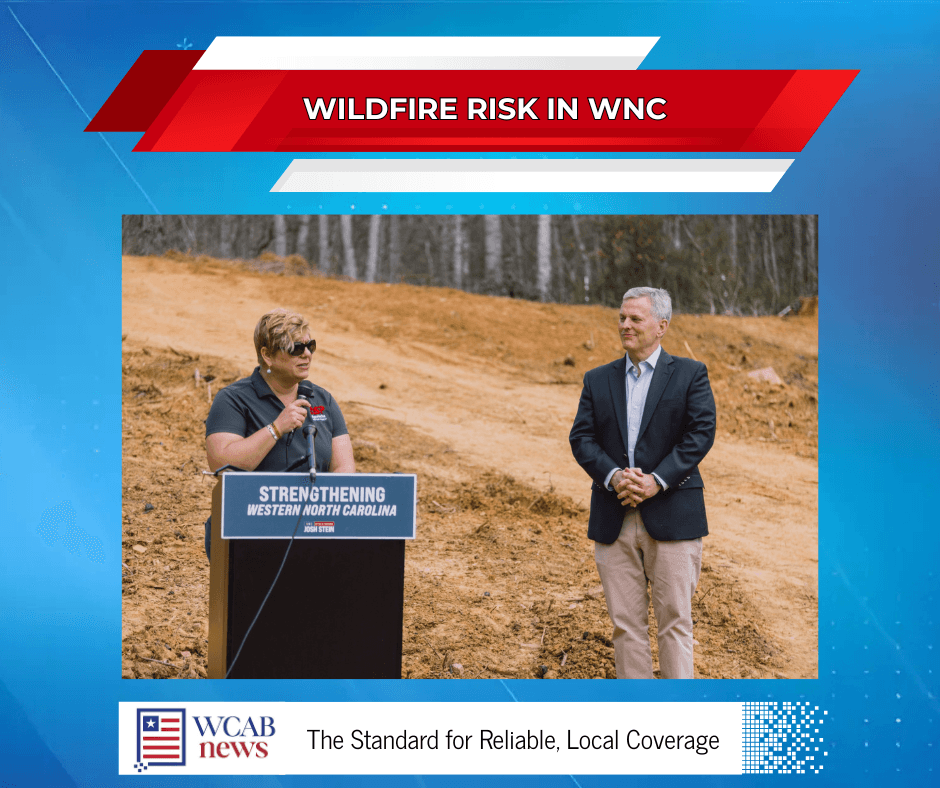
More than $38 million in federal Helene recovery money has already gone to Buncombe County and Biltmore Forest for debris removal, but Gov. Josh Stein said the region is still living with a second disaster: wildfire risk from what Hurricane Helene left behind.
Stein visited Buncombe County with the North Carolina Forest Service on May 13, 2026, to highlight wildfire-season work. He said crews have removed 16 million cubic yards of debris since Helene, yet what remains on the ground still helps feed fire danger across western North Carolina. State forestry officials said North Carolina has already logged more than 4,300 wildfires in 2026, and 99% were caused by people.
The money trail shows how much of recovery has already been spent on cleanup. On October 17, 2024, FEMA approved more than $38 million in expedited Public Assistance for Buncombe County’s Helene recovery, with $34 million reimbursed to Buncombe County and $3.95 million to the Town of Biltmore Forest for debris removal. FEMA said the projects covered debris removal and emergency protective measures during the first 45 days after the disaster, and President Joe Biden authorized a 100% federal cost share for the first 180 days of the incident period. In Buncombe terms, that meant local governments were not left carrying the early cleanup bill alone.

Stein also previewed the Forest Service’s new Disaster Mitigation Program, which is expected to open in the coming weeks. Property owners will be able to request no-cost removal of hazardous debris, and the program will also aim to improve fire breaks and promote prescribed burning. For homeowners and landowners still dealing with storm-damaged lots, the change could mean fewer piles of dry fuel near houses, roads and stream banks before the hottest stretch of the year.

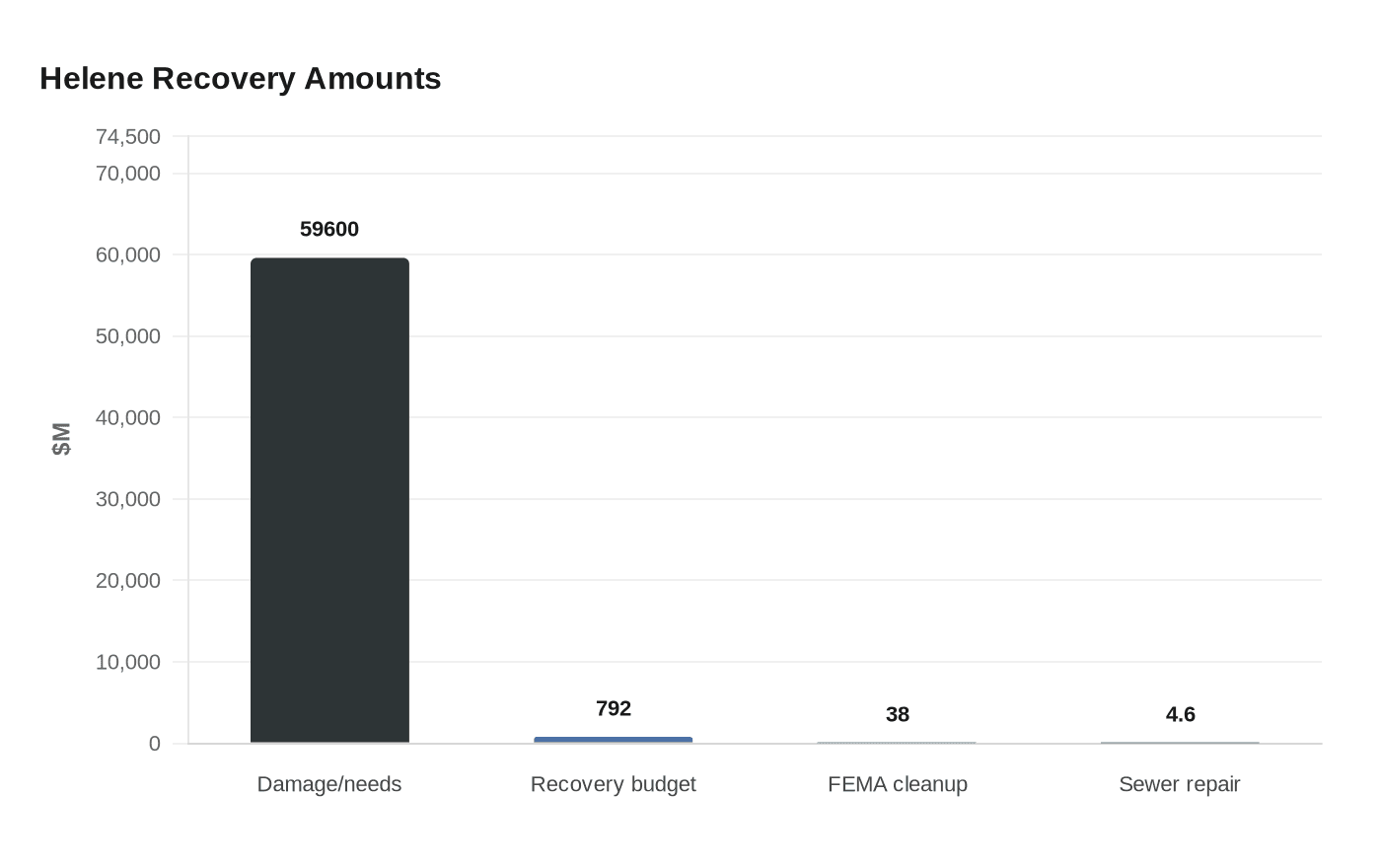
Even so, recovery is far from finished. Matt Calabria, director of GROW NC, said the work is still ongoing and that wildfire risk is another real concern for western North Carolina families and communities. North Carolina’s revised Helene Damage and Needs Assessment put total damage and needs at $59.6 billion as of December 13, 2024, with more than 100 confirmed deaths statewide and 4.6 million people living in designated counties. Stein said in September 2025 that 96% of water systems were back online, 97% of state-maintained roads had reopened and all impacted state parks had partially or fully reopened, but in March 2026 he still proposed a third Helene recovery budget of $792 million. A separate FEMA approval added $4.6 million for the Metropolitan Sewage District of Buncombe County to repair 143,500 linear feet of sewer lines, a reminder that some of the most important recovery work is still buried underground.
This article was produced by Prism’s automated news system from verified source data, official records, and press releases, then run through automated quality and moderation checks before publishing. The system is built and supervised by the people who set the standards it runs under. Read our full AI policy.
Did this article answer your question?