Study: Federal Move Could Restore Asheville-Salisbury Passenger Rail, $1B Boost
Federal planning moves and an NCDOT study signal a push to restore Asheville-Salisbury passenger rail, promising $1.05 billion in one-time economic output and thousands of construction jobs.
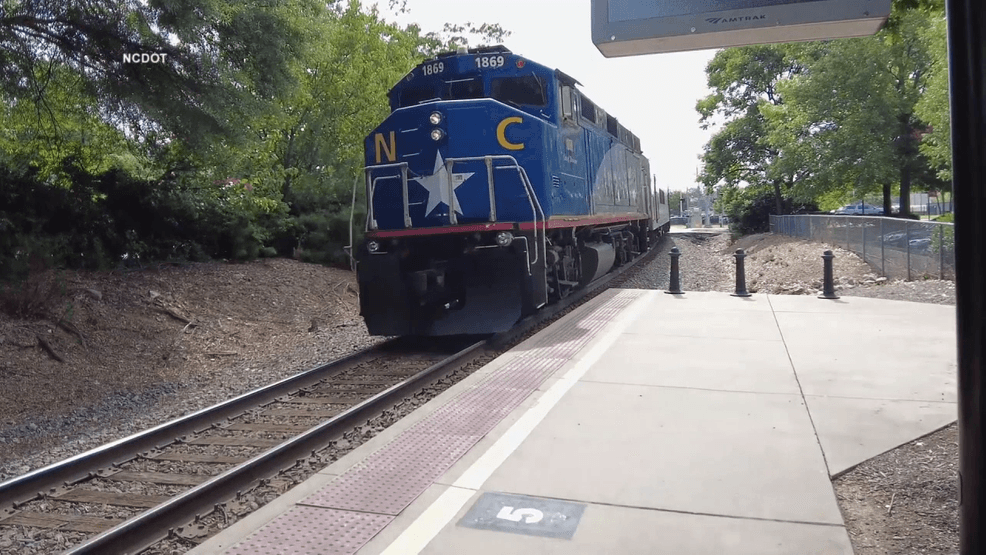
A North Carolina Department of Transportation economic-impact study finds restoring passenger rail between Salisbury and Asheville could deliver roughly $1.05 billion in economic output during construction and support thousands of jobs, while producing ongoing annual benefits once service runs. The study, titled the Western North Carolina Rail Corridor Economic Impact Report, arrived alongside federal momentum through the U.S. Department of Transportation’s Corridor I.D. program that has advanced a proposal to renew service to Asheville.
NCDOT Rail Division director Jason Orthner summarized the agency’s view when he said, “The Western NC rail corridor presents a unique opportunity to strengthen regional connectivity, support local economies, and create a more resilient and dynamic transportation system for North Carolina.” The state study and the federal planning move together signal new attention to reconnecting Asheville and Buncombe County to North Carolina’s larger intercity rail network.
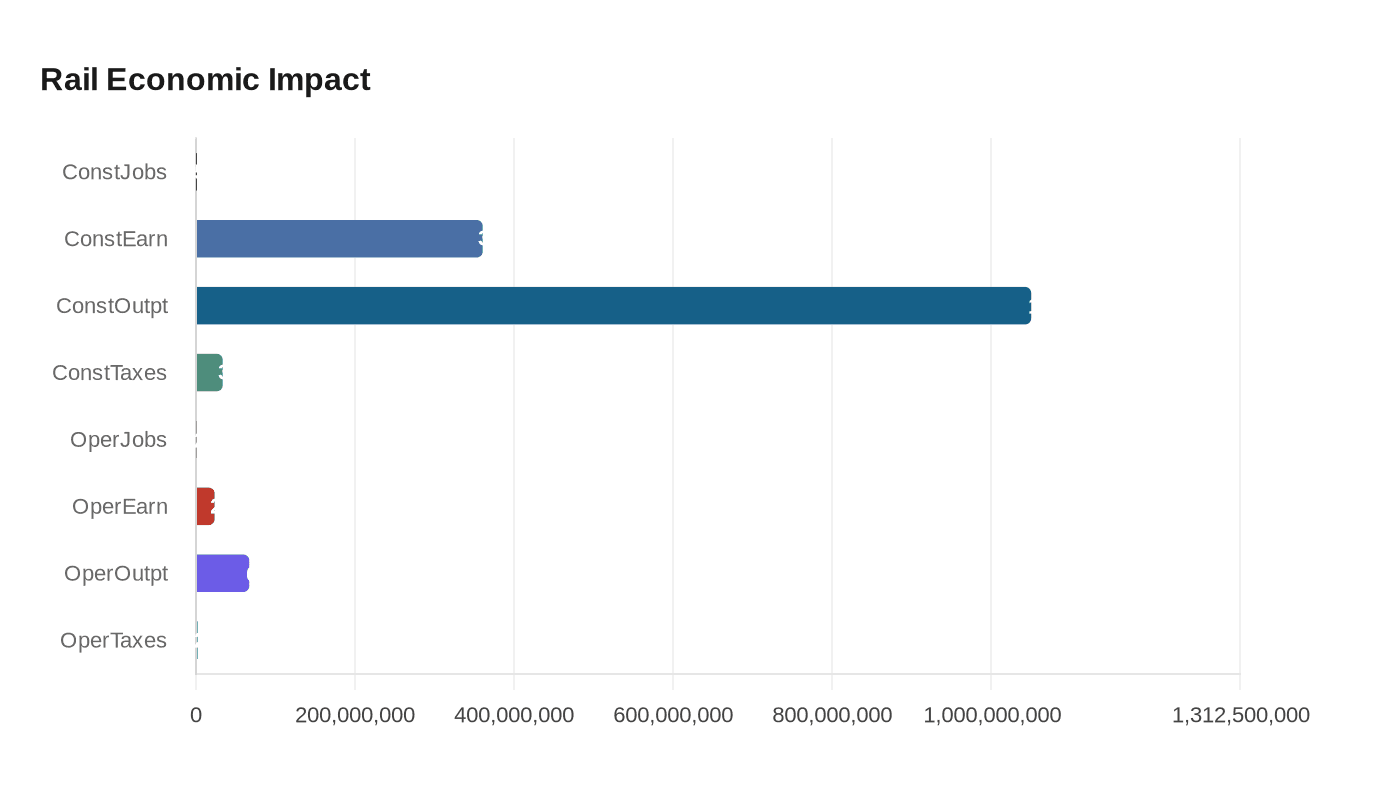
The report’s construction-phase estimates are specific. NCDOT projects an average of 5,270 jobs per year during project implementation, $360.5 million in employee earnings, $1.05 billion in economic output, and $33.6 million in state and local tax revenue tied to corridor construction. Once trains are running, the study projects about 200 permanent jobs, $23.4 million in annual employee earnings, nearly $67 million in yearly economic output, and $2.1 million in recurring state and local tax revenue.
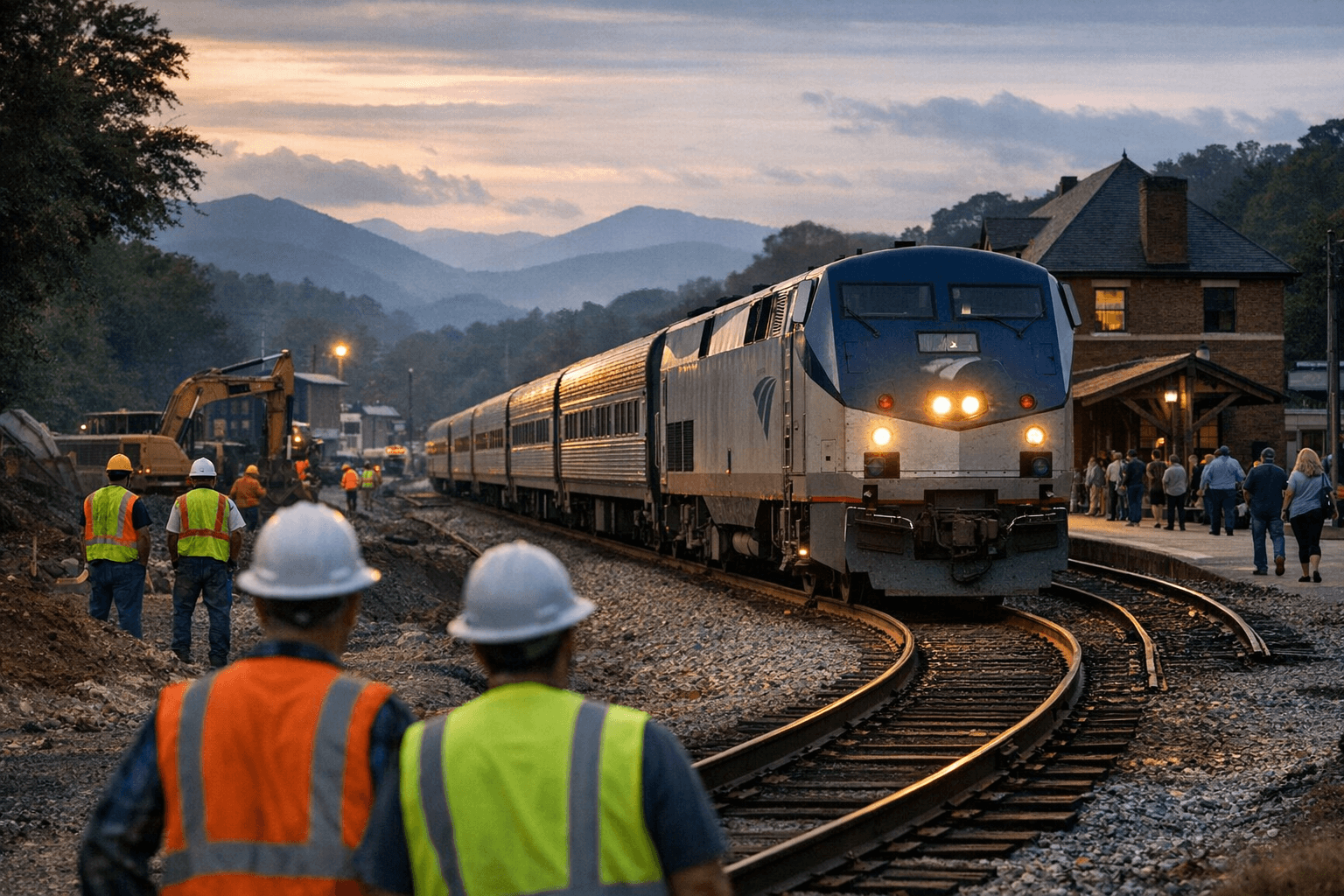
The proposed route would follow roughly 140 miles of existing track east of Asheville to Salisbury owned by Norfolk Southern and would connect Asheville and mountain communities with the Charlotte metropolitan area, the Piedmont Triad, and the Research Triangle. The line includes challenging mountain infrastructure such as the Old Fort Loops and the Swannanoa Gap Tunnel, the latter measuring 1,832 feet. Historical reporting notes that builders in the 1870s and early 1880s pummeled through the mountains to ascend 1,100 vertical feet over roughly three miles while creating the twisting track that still defines the corridor.
Restoration plans also prompt historical and labor justice context. The RAIL Project reports that 19th century construction conditions led to the deaths of over 125 people. The Railroad and Incarcerated Laborer Memorial Project documents that convict laborers built parts of the route, with roughly 98 percent of those inmates being Black and many reportedly unfairly imprisoned.
Local economic impacts would include expanded tourism access for Asheville and Buncombe County, broader commuting and visitor options, and stronger ties to state economic centers. Media summaries and the NCDOT release emphasize the corridor’s potential to bolster long-term growth and transportation resilience in Western North Carolina.
Key questions remain before work begins: project timing, total capital costs, funding sources, negotiations with Norfolk Southern, environmental review, and an operator plan for service. For Buncombe County residents the study is a concrete signal that rail service could return in force, with short-term construction jobs and long-term tourism and connectivity gains if federal, state, and private partners move from planning into funding and implementation.
This article was produced by Prism’s automated news system from verified source data, official records, and press releases, then run through automated quality and moderation checks before publishing. The system is built and supervised by the people who set the standards it runs under. Read our full AI policy.
Did this article answer your question?


