Top Chef puts Asheville’s Appalachian food scene in national spotlight
Ashleigh Shanti leads Asheville’s Top Chef spotlight as Bravo turns to Helene recovery, Appalachian ingredients, and the city’s restaurant economy.

Asheville’s names to watch
Ashleigh Shanti, William Dissen and Meherwan Irani are the Asheville-linked figures to watch when Top Chef turns its cameras to Buncombe County. The episode titled “Appalachian Celebration” puts Shanti, the Asheville-based chef and former Top Chef contestant, at the center as local host, while Dissen of The Market Place and Irani of Chai Pani help anchor the city’s national food profile.
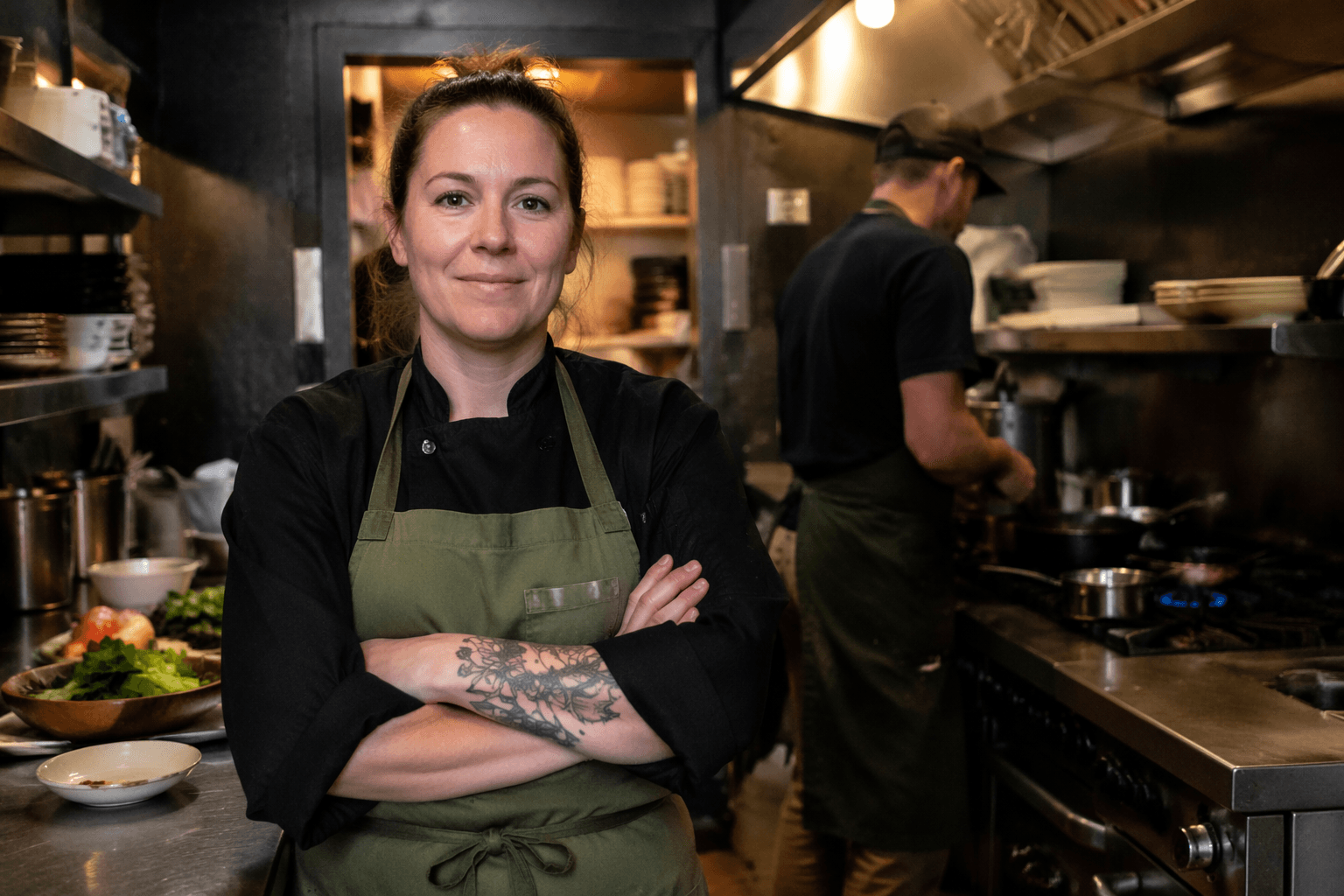
The restaurants tied to that spotlight matter just as much as the personalities. Good Hot Fish, Shanti’s Asheville restaurant, represents the city’s newer culinary voice; The Market Place and Chai Pani bring established local credibility; and Asheville’s broader dining scene, from Cúrate to Rhubarb, is part of the same ecosystem that keeps the city in producers’ line of sight. For viewers, the episode is likely to read as a guided tour of Asheville’s Appalachian food identity rather than a generic travel-food segment.
When and where to watch
The Asheville episode airs Monday, May 25, 2026, at 9:00 p.m. on Bravo. It is listed as Season 23, Episode 12 of Top Chef, and the season itself is based mainly in Charlotte, with additional episodes in Greenville, South Carolina.
Bravo’s season setup gives the Asheville stop extra weight. The show is hosted by Kristen Kish, with Tom Colicchio as head judge and Gail Simmons as perennial judge, and the Carolina setting has already signaled that this season is treating the region as more than a passing backdrop. Asheville is part of that larger Southern culinary map, but this episode pushes Buncombe County squarely into the frame.
What the episode is really about
The Asheville hour is not built around scenery alone. Bravo says the chefs are inspired by a community rebuilding after Hurricane Helene, and the preview material tied to the episode says viewers will learn about relief efforts as well as Appalachian ingredients and food traditions. That makes the episode feel closer to a post-disaster civic portrait than a standard competition stop.
Ashleigh Shanti is a particularly important guide for that story because she has lived the city’s food culture from both sides of the camera. As a former contestant and an Asheville chef, she gives the episode a local voice that can translate the region without flattening it into costume or cliché. Earlier reporting also tied Asheville chefs William Dissen and Meherwan Irani to the season’s guest-judge mix, reinforcing that the city’s culinary scene is being represented by people who know it from inside.
What locals will likely recognize
Viewers from Buncombe County will probably notice the episode’s emphasis on the values that have made Asheville a food destination: community, craft, and a strong sense of place. The best episodes of Top Chef do not just show plates; they reveal how a city eats, who gets to define its flavors, and which traditions carry the most weight when national audiences tune in.
In Asheville’s case, that means Appalachian ingredients and food traditions are likely to do a lot of the storytelling. Even without a single named dish in advance, the framing already tells locals what the producers think the city stands for: mountain identity, serious cooking, and a dining scene that has become one of Asheville’s strongest cultural exports.
Why this matters to Buncombe County’s economy
The television exposure is not just a branding exercise. Visit NC’s 2024 visitor-impact study says Buncombe County generated $2.65 billion in visitor spending, with food and beverage spending alone totaling $718 million. The same study says tourism and hospitality employed 18,377 people locally and generated $103 million in local taxes.
Those numbers explain why an episode like this can matter well beyond bragging rights. If national viewers see Asheville as a serious food city, that can influence where they eat, where they stay, and how they think about a trip to Western North Carolina. In a county where hospitality already plays such a large role in employment and tax revenue, even a modest rise in reservation requests or foot traffic can ripple through restaurants, hotels and nearby businesses.
The timing also matters because Asheville’s restaurant economy has not fully escaped the shock of Hurricane Helene. Post-storm reporting said the Buncombe County Tourism Development Authority estimated local restaurants and related businesses could lose as much as 70% of revenue in the final quarter of 2024. Another report said Katie Button’s revenue was down about 50%, and she laid off 45 people, or about 30% of her staff. Against that backdrop, a nationally televised Asheville episode functions like a recovery signal as much as a marketing moment.
A food scene built on resilience
If the episode lands the way locals hope, it will feel authentic because Asheville’s culinary community has already shown how tightly it operates in a crisis. In the aftermath of Helene, restaurants including Good Hot Fish, Neng Jr.’s, Cúrate, Chai Pani, Botiwalla, Rhubarb and Twisted Laurel helped feed the community through World Central Kitchen and other relief efforts. That is not a decorative side note; it is the lived context behind the city’s food reputation.
Ashleigh Shanti has also publicly framed Asheville’s food community as resilient and supportive, and the James Beard Foundation later described her as an Asheville chef and 2025 James Beard Award winner whose view of the city emphasizes how collaborative the scene is. That perspective helps explain why Asheville keeps reappearing in national food media. Producers are not just looking for pretty views. They are looking for a city where food is inseparable from identity, recovery and neighbor-to-neighbor support.
Authentic portrait or TV shorthand?
The episode appears more likely to reflect Asheville authentically than to flatten it, mainly because its premise centers on recovery after Helene and on the people already doing the work. The city’s best-known names are not being used as scenery. They are part of the story, which is a meaningful distinction in a place where restaurant culture has become intertwined with public response, tourism and civic identity.
Still, any national TV visit carries a risk of simplification. Asheville can easily be reduced to scenic mountains and rustic shorthand if producers lean too hard on atmosphere. What should keep this episode grounded is the combination of Shanti’s local authority, the participation of Dissen and Irani, and the explicit reference to relief efforts and Appalachian food traditions. That combination gives the hour a real chance to show Asheville as a working culinary city, not just a picturesque one.
For Buncombe County, that is the larger prize. Top Chef can send viewers looking for a reservation, a weekend trip or a taste of Appalachian cooking. But more importantly, it can remind a national audience that Asheville’s food scene is now one of the strongest parts of the city’s brand, alongside music, arts and the outdoor economy that frames life here from downtown to the Blue Ridge Parkway.
Know something we missed? Have a correction or additional information?
Submit a Tip