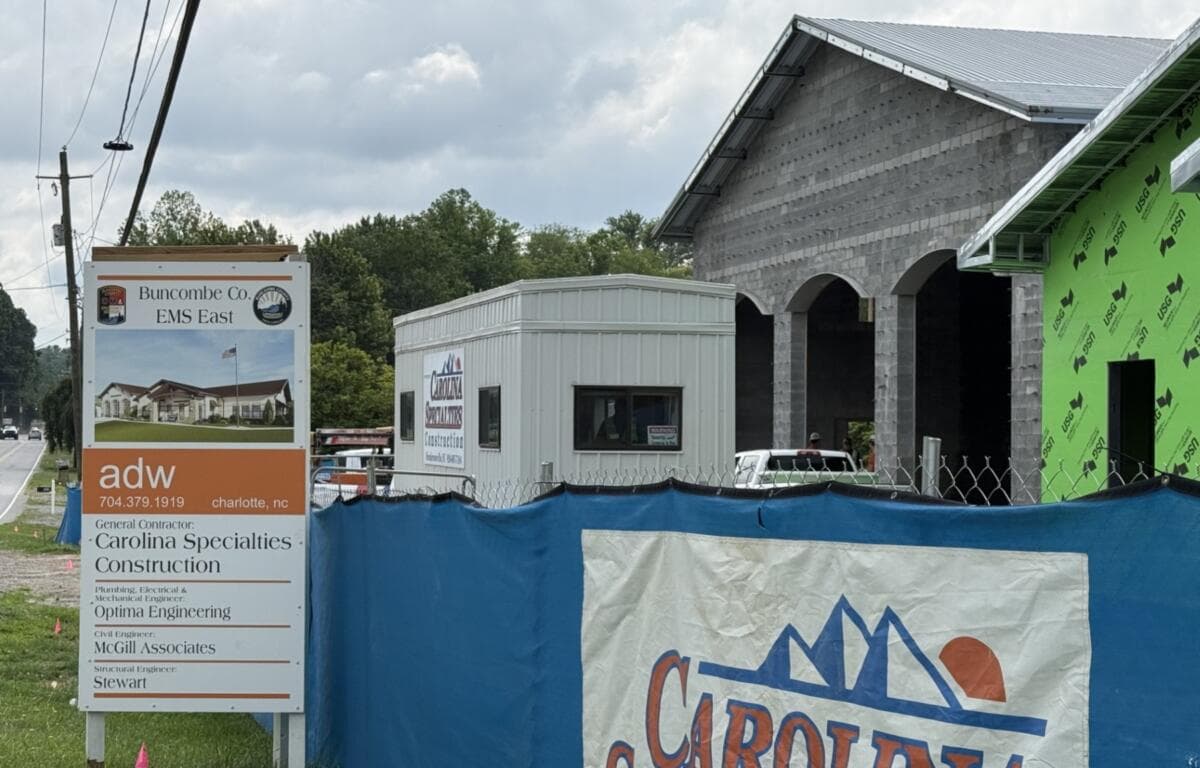
Trump rural health plan faces hurdles in western North Carolina
Buncombe County is still counting Helene’s health fallout as North Carolina weighs whether a $50 billion rural health plan will reach the mountains.

Buncombe County families were still reporting lingering health needs eight months after Hurricane Helene when county and state officials surveyed 210 randomly selected households in June 2025, a snapshot of how fragile care remains in western North Carolina. That local strain is now colliding with President Trump’s proposed rural health push, a federal program that promises big money but still has to overcome the same shortages, thin margins and service cuts that have long defined mountain health care.
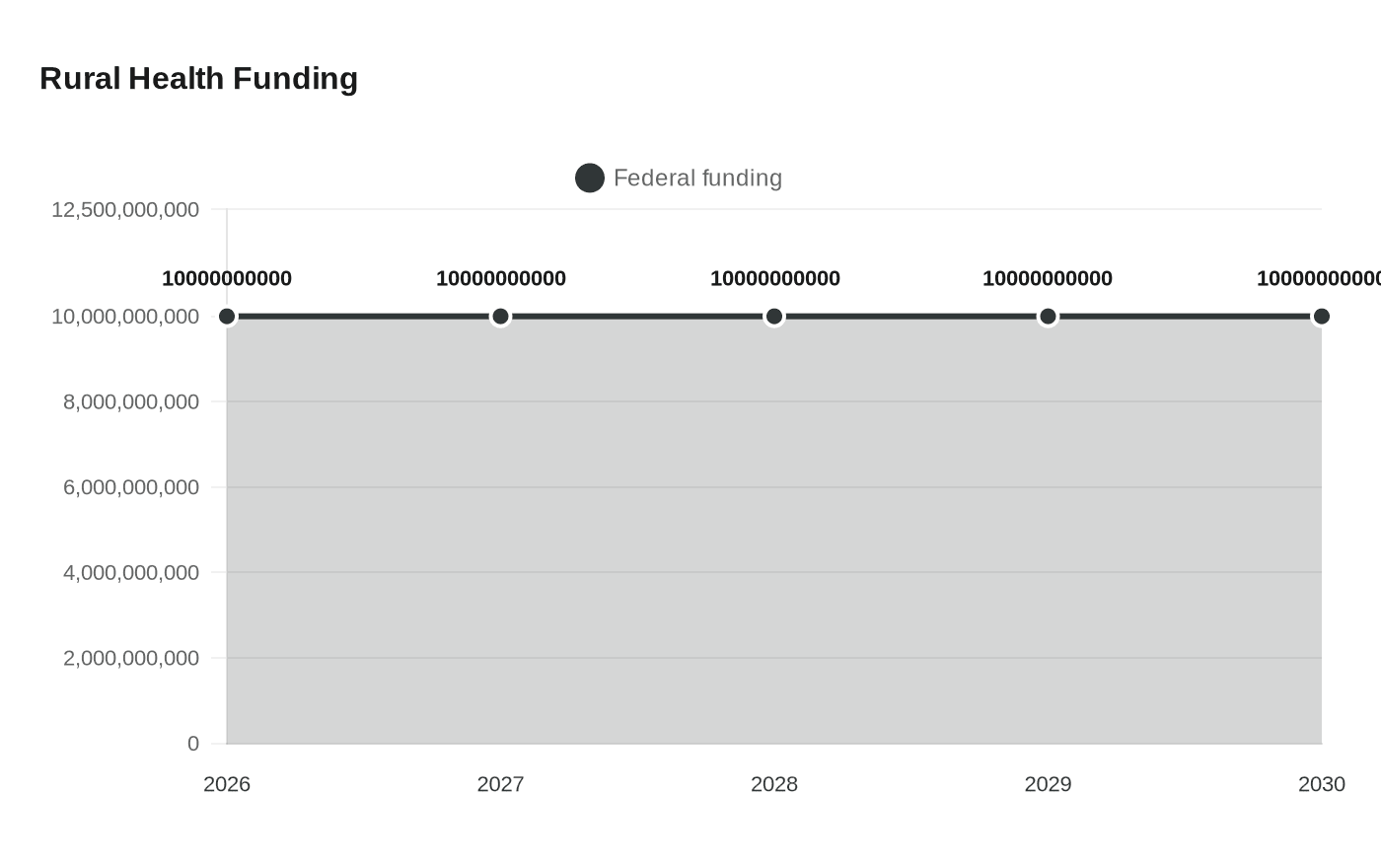
The Centers for Medicare & Medicaid Services said the Rural Health Transformation Program will send $10 billion a year from 2026 through 2030, with all 50 states receiving awards under the program on Dec. 29, 2025. North Carolina’s share is expected to be about $1 billion over five years, but state officials have said the real test is whether the money can be aimed at the right problems in the right places, not just spread thinly across a map.

That question matters in western North Carolina, where access often depends on small hospitals, overloaded clinics and a short supply of specialists. North Carolina’s rural hospital system includes 11 Small Rural Hospitals and 20 Critical Access Hospitals, facilities that have 25 beds or fewer and receive cost-based reimbursement. The North Carolina Department of Health and Human Services has said its rural planning process grew from input from more than 420 stakeholders, including rural hospitals, community health centers, local health departments, faith-based organizations, Tribal communities and residents. The state also has the North Carolina Office of Rural Health, created in 1973 as the first state office in the nation focused on rural and underserved communities.
Still, the gap between policy and care is visible in the services families need most. Carolina Public Press has reported that labor and delivery units and other women’s services have been reduced or eliminated at rural hospitals across North Carolina as financial pressure mounted, leaving expectant mothers to travel farther for care. In the mountains, where every mile matters after a storm, that kind of loss can turn a routine appointment into a day-long trip.
For Buncombe County and surrounding western North Carolina communities, the central question is whether the new federal dollars will bring more doctors, stronger clinics, maternity care and mental-health access, or whether they will arrive as another promise layered onto a system already stretched by Helene and years of rural shortages. The answer will depend on how quickly state leaders can turn a national funding headline into actual care on the ground.
This article was produced by Prism’s automated news system from verified source data, official records, and press releases, then run through automated quality and moderation checks before publishing. The system is built and supervised by the people who set the standards it runs under. Read our full AI policy.
Did this article answer your question?