UNC Asheville South Campus plan advances amid transparency concerns
UNC Asheville’s South Campus woods are edging toward housing and mixed-use development, while critics say delayed summaries and a closed circle of voices are deepening mistrust.
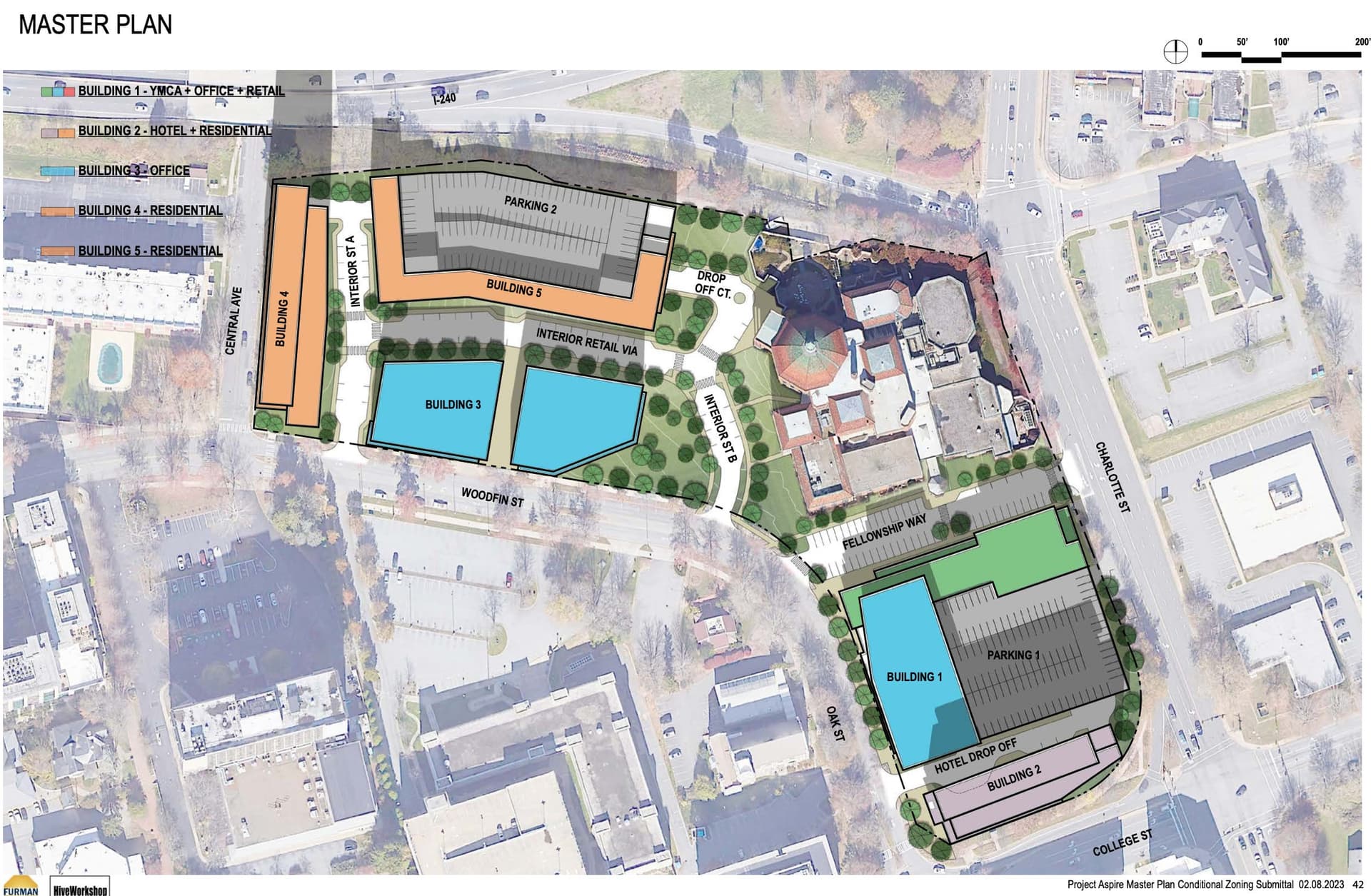
UNC Asheville’s South Campus plan is moving toward housing and mixed-use development, and the fight is shifting from concept to consequences. The 45-acre woods at the center of the debate could give way to student, faculty and staff housing, a child care center, retail space and parking, a change that would reshape a wooded stretch of the millennial campus for decades.
Summaries of the Millennial Campus Development Advisory Committee’s first four meetings suggest members are coalescing around some form of development on the South Campus land. That has intensified scrutiny over who is helping shape the direction, and when the public is being brought into the process. Critics say meeting summaries came late and that visibility into the university’s decision-making has been limited at a moment when trust is already thin.

The stakes are larger than one parcel of land. UNC Asheville originally announced the South Campus proposal on June 13, 2025, covering about 54 acres of millennial campus property. The plan included a 5,000-seat soccer stadium, about 300 apartment units, commercial retail space, parking and phased development. The university later paused those negotiations in August 2025 after backlash and formed the Millennial Campus Development Commission to gather more input.
By January 2026, the university had announced a 14-member Millennial Campus Development Advisory Committee. Critics quickly noted that Save the Woods and neighborhood association representatives were not included. In March, UNC Asheville said the committee had launched a structured public engagement process to hear from community members, campus stakeholders and regional partners, but the criticism has not faded. The university has said the commission’s work is meant to review ideas, gather input and make recommendations on sequencing and prioritization.
What gets built, and who gets access, remains the central question. UNC Asheville has said phase one could include mixed-use housing for students, faculty and staff, plus a planned child care center and other amenities. UNC System materials have described the project as a phased mixed-use development on state property, with a ground lease of roughly 54 acres that could support a soccer stadium, market-rate housing for students, faculty or staff, parking and retail space.
The university has also said any alternative proposal must meet or exceed the paused plan’s estimated return, a standard that suggests financial yield will weigh heavily alongside land use, traffic, housing supply and environmental preservation. For Asheville, the decision is not only about campus expansion. It is about whether one of the last wooded areas near UNC Asheville stays intact or becomes the next front in the city’s broader development debate.
This article was produced by Prism’s automated news system from verified source data, official records, and press releases, then run through automated quality and moderation checks before publishing. The system is built and supervised by the people who set the standards it runs under. Read our full AI policy.
Did this article answer your question?