UNC Asheville stadium plan loses momentum as South Campus stays in play
The stadium idea is fading, but UNC Asheville’s 45-acre South Campus still faces redevelopment pressure, and the wooded tract remains in play.
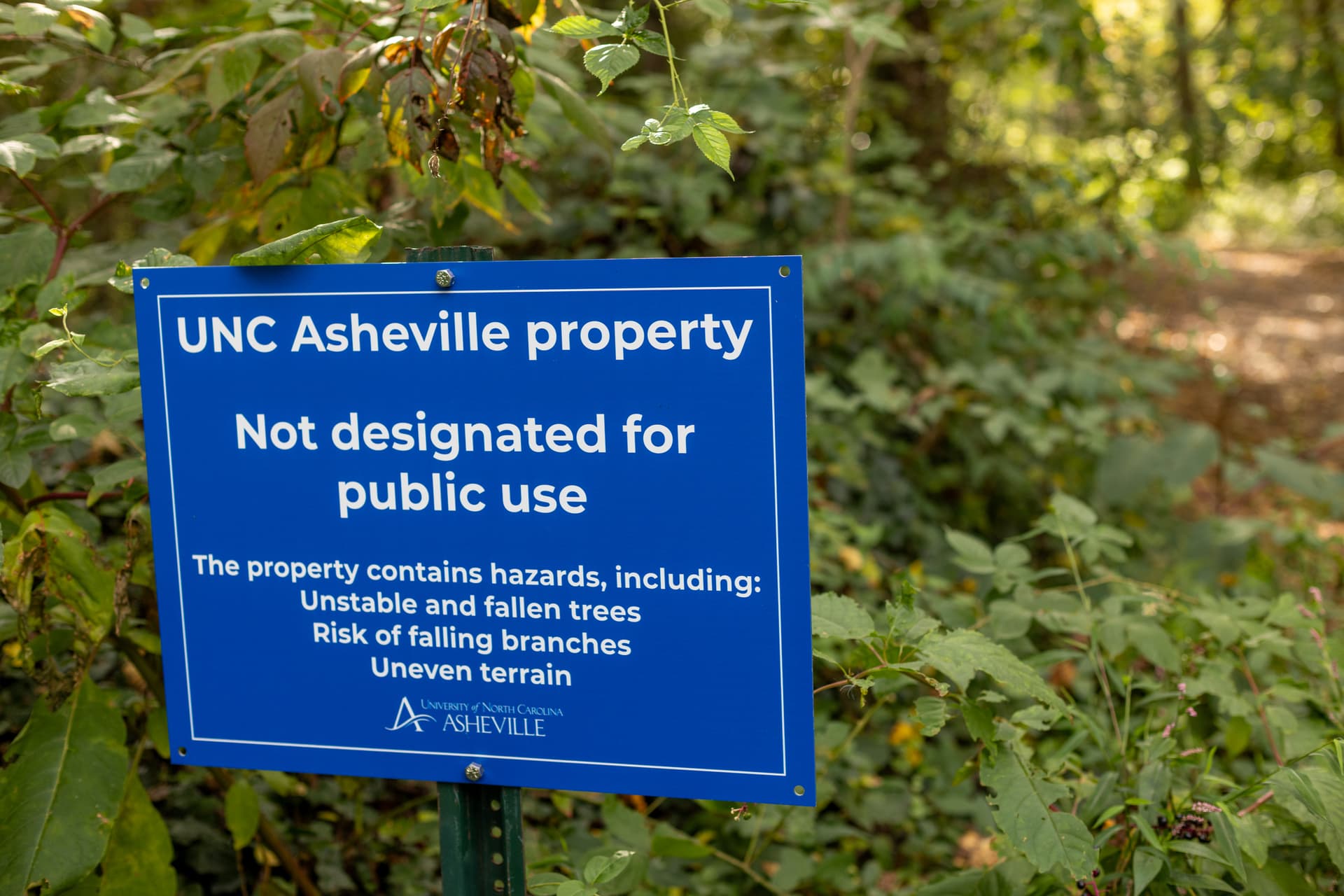
UNC Asheville’s stadium push is losing momentum, but the woods south of campus are still not safe. A committee reviewing the university’s Millennial Campus properties appears poised to recommend against a large soccer stadium on the wooded South Campus, yet the 45-acre tract bordered by Broadway Street and W.T. Weaver Boulevard remains under active consideration.
That matters because the original pitch was never small. UNC Asheville and Asheville City Soccer Club framed the South Campus plan as a 5,000-seat soccer stadium wrapped in retail and market-rate housing, a project the university said could return more than $46 million over 30 years. Earlier public reporting put the full investment at more than $200 million and, in some accounts, above $250 million, with jobs and tax revenue tied to the buildout.

UNC Asheville halted negotiations on the stadium plan in August 2025 after backlash and said it would seek broader public input. In January 2026, the university created the Millennial Campus Development Advisory Committee to help guide the future of more than 200 acres of Millennial Campus property, including South Campus and the Broadway Property. Meeting summaries show the group has been working through guiding principles, priority land uses and precedent case studies from other universities in a process the school has described as principles-led and flexible.
The latest shift suggests the committee may be moving away from the stadium itself, but not necessarily from development. UNC Asheville has said the South Campus and Broadway parcels are the best fit for goals that include housing, vibrant places and revenue generation. That leaves open the possibility of a scaled-back plan, a different mix of buildings or a rewritten development strategy that still targets the wooded land.
Opposition has remained organized. Neighbors, students and conservation-minded residents have argued that the woods are one of Asheville’s irreplaceable urban green spaces, serving as forest cover, wildlife habitat and a community asset in a rapidly changing part of the city. Some critics have also said the committee process is closed to the public and lacks representation from Save the Woods organizers and neighborhood associations.
For Buncombe County residents, the fight is no longer just about a soccer stadium. It is about who gets to decide the fate of one of Asheville’s largest and most politically charged parcels, and whether UNC Asheville will treat South Campus as a forest to preserve or a revenue-generating site to clear. Even if the stadium concept keeps fading, the land itself is still on the table.
This article was produced by Prism’s automated news system from verified source data, official records, and press releases, then run through automated quality and moderation checks before publishing. The system is built and supervised by the people who set the standards it runs under. Read our full AI policy.
Did this article answer your question?