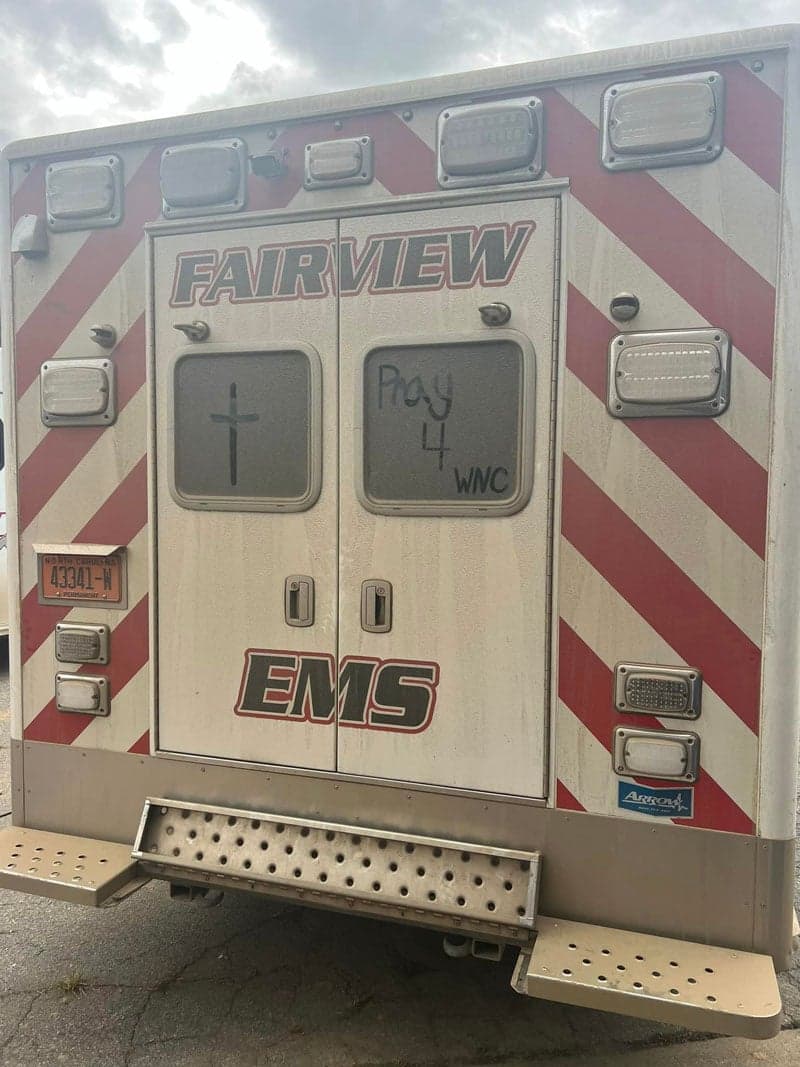
West Asheville homelessness services face questions about effectiveness
West Asheville's homelessness debate is turning on results, not promises, as new counts and service data show more outreach but more people unsheltered.

West Asheville is becoming a test of whether Asheville’s homelessness system is changing life on the ground, not just on paper. Mountain Xpress’s June 5 Part 2 of its West Asheville series centers the question on services, effectiveness, and what shopkeepers and nonprofits are seeing day to day. The stakes reach beyond one corridor: they touch storefront conditions, street outreach, shelter access, and the broader public-health response to substance use disorder and mental health struggles.
What West Asheville is really measuring
The conversation in West Asheville is not simply about whether homelessness exists. It is about whether the current mix of outreach, shelter, treatment connections, and neighborhood support is reducing harm in a place where business owners, service providers, and unhoused residents interact every day. That makes the neighborhood a practical gauge for whether public spending and nonprofit effort are producing visible change.
This is also why the issue keeps returning to concrete consequences. Residents and merchants are not debating theory when they talk about encampments, repeat crises, or whether people can get inside services quickly enough. They are judging the system by what they see on the street, and by whether the public response is helping people stabilize or merely managing the fallout.
How Asheville’s homelessness system is supposed to work
At the center of the response is the Asheville-Buncombe Continuum of Care, which the City of Asheville says was established by membership on February 29, 2024. The city describes it as a community-based body that coordinates the region’s homelessness response across governments, nonprofits, healthcare systems, advocates, volunteers, and people with lived experience. The City’s Homeless Strategy Division serves as the CoC’s lead agency and provides neutral backbone support.
The city is clear that the CoC does not provide direct services itself. Instead, it coordinates providers, sets system strategy, and helps fund key pieces of the response, including street outreach, coordinated entry, Code Purple cold-weather shelter, and capital funding for housing and shelter projects. That structure matters in West Asheville because complaints about neighborhood disorder are also, in effect, complaints about whether this network is functioning as designed.
The CoC is now working under a 2025-2028 strategic plan, and the city has framed earlier planning as foundational. In 2022, Asheville received a $73,000 report from the National Alliance to End Homelessness, which city officials described as a roadmap for building a system of care to address the immediate crisis and future episodes of housing loss. The governance side is not distant from city hall either. City Manager DK Wesley and Mayor Manheimer sit on the CoC leadership board, which ties the city’s leadership directly to the system’s performance.
What the latest count says about need
The clearest measure of whether the system is keeping pace came from the 2025 Point-in-Time count, completed on January 28, 2025 with 135 volunteers, including 60 CoC members. The count identified 755 people experiencing homelessness in Buncombe County, up slightly from 739 in 2024. More troubling for neighborhood impacts, 328 people were unsheltered, a 50% increase from the year before.
Those numbers are difficult to read as anything other than a sign that demand is still outstripping capacity. The count also identified 116 people who said they were homeless as a result of Tropical Storm Helene, a reminder that disaster displacement is still feeding into the local housing crisis. The city also said 1,548 people in FEMA Transitional Sheltering Assistance had to be added to the HUD count because they were staying in hotels or motels on the night of the count, showing how the count had to account for a large number of people who were not in traditional shelter or on the street.
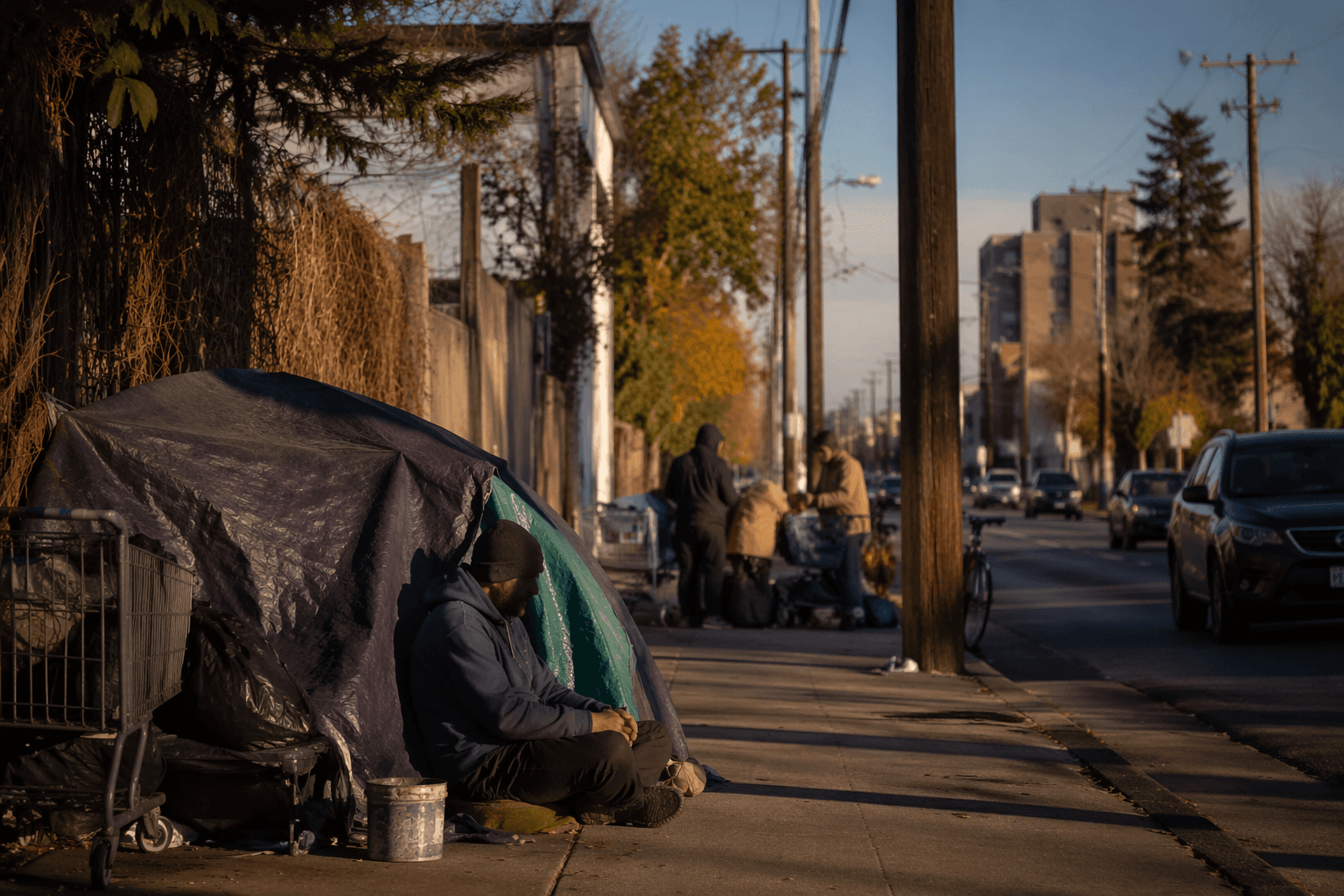
For West Asheville, the practical takeaway is blunt: if the system is working better, it has not yet reduced the scale of visible homelessness enough to erase the pressure residents and businesses feel. The data point to a response that is active, but still overwhelmed.
What help looks like on the ground
Buncombe County’s homelessness resources page points people to 211 for immediate help, a sign that navigation is still a first step for many residents. The county also points to the AHOPE Day Center, managed by Homeward Bound of WNC, as a low-barrier hub where people can get showers, clothing, and connections to critical resources without being turned away for not meeting sobriety or criminal-record requirements.
Homeward Bound’s 2025 impact report gives the clearest picture of what that service load looks like. AHOPE served 1,660 unique individuals and recorded 25,568 total service interactions. The organization also said 130 unsheltered neighbors were supported by street outreach, 151 individuals were prevented from entering homelessness, and 102 people were helped out of homelessness. In permanent supportive housing, 92% of people remained stably housed in 2025.
Those numbers help explain why service providers argue the response should not be judged only by street conditions. AHOPE is absorbing a large volume of daily need, and outreach workers are making contact with people who may otherwise have nowhere to start. But the same figures also show how much pressure remains on the system. When more than 25,000 interactions are needed at one day center, the scale of need is far larger than any single site can resolve.
The county’s own resource list also points to Beloved Asheville, including its street medics and food pantries, and to the Crisis Ministry run by Asheville Buncombe Community Christian Ministry. Together, those programs show the patchwork people rely on in West Asheville and across Buncombe County. That patchwork is often what determines whether a person gets a meal, a shower, a health referral, or a way into a more stable setting.
Why the question of effectiveness remains open
The central issue is not whether Asheville and Buncombe County have built a response. They have. The harder question is whether that response is large enough, coordinated enough, and fast enough to change what residents experience in West Asheville’s business corridors. The numbers show a system with structure, funding streams, and active service providers, but they also show rising unsheltered homelessness and a continued reliance on emergency and low-barrier interventions.
That is why West Asheville has become more than a neighborhood complaint. It is a public scorecard for how well the city, county, and nonprofit sector can turn planning into results. If the current strategy is working, the evidence should eventually show up in fewer people forced to sleep outside, stronger exits into housing, and less visible strain on the corridor. For now, the gap between services offered and conditions on the street remains the defining measure.
This article was produced by Prism’s automated news system from verified source data, official records, and press releases, then run through automated quality and moderation checks before publishing. The system is built and supervised by the people who set the standards it runs under. Read our full AI policy.
Know something we missed? Have a correction or additional information?
Submit a Tip