Western NC Wildfire Risk Remains High, State Officials Warn Lawmakers
State Fire Marshal Brian Taylor told lawmakers "we are not prepared" for wildfires over the next 15 years, citing Helene's downed trees blocking crews in Buncombe County.
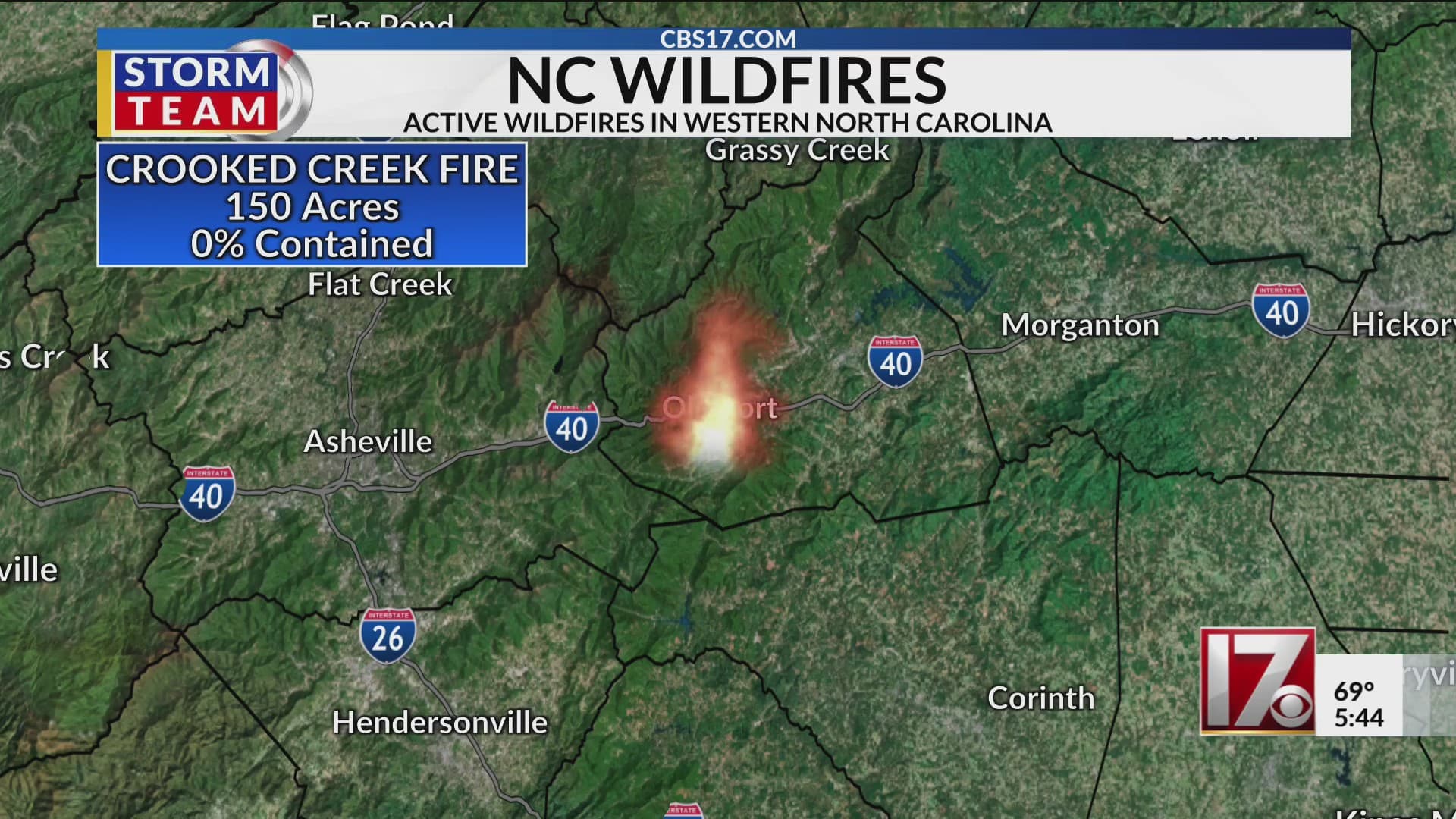
State Fire Marshal Brian Taylor stood before North Carolina lawmakers last week and delivered a stark assessment: the mountain communities of western North Carolina, including Buncombe County, are not ready for what is coming.
"We are not prepared for the fire season coming before us in the next 15 years," Taylor told legislators during a mid-March presentation alongside N.C. Forest Service officials. The warning came as officials outlined a convergence of dangers: wide swaths of downed and drying trees left by Tropical Storm Helene, debris-clogged terrain, grounded aircraft, broken equipment, and staffing shortages that have left the agency struggling to stay fully operational.
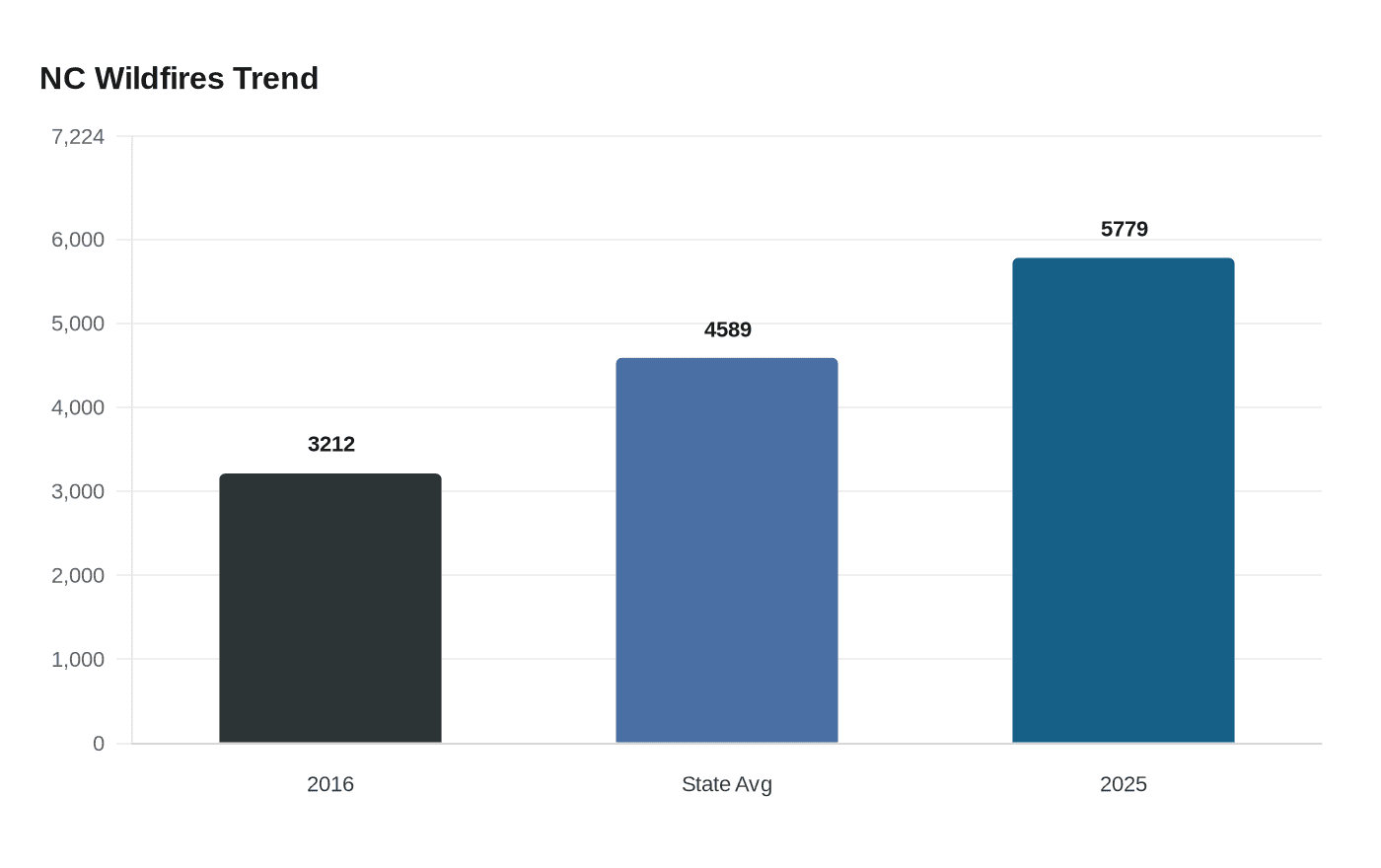
The numbers behind the alarm are significant. North Carolina Forest Service crews responded to 5,779 wildfires in 2025, well above the state average of 4,589 and nearly double the 3,212 fires recorded in 2016. A Forest Service official identified only as Hicks told lawmakers that on a single Wednesday this month, 94 fires burned 494 acres. By mid-March, the month's total had already reached 518 fires burning 2,759 acres. Officials were clear that the trajectory reflects a decade-long trend, not an anomalous year.
"The report shows that the fires have been elevating over the years," Taylor said.
The situation is made especially dangerous in western North Carolina by the physical aftermath of Helene. The storm left vast stretches of forest floored with downed trees that are now drying out, creating fuel loads that increase fire intensity while simultaneously blocking the roads firefighters depend on to reach burning areas.
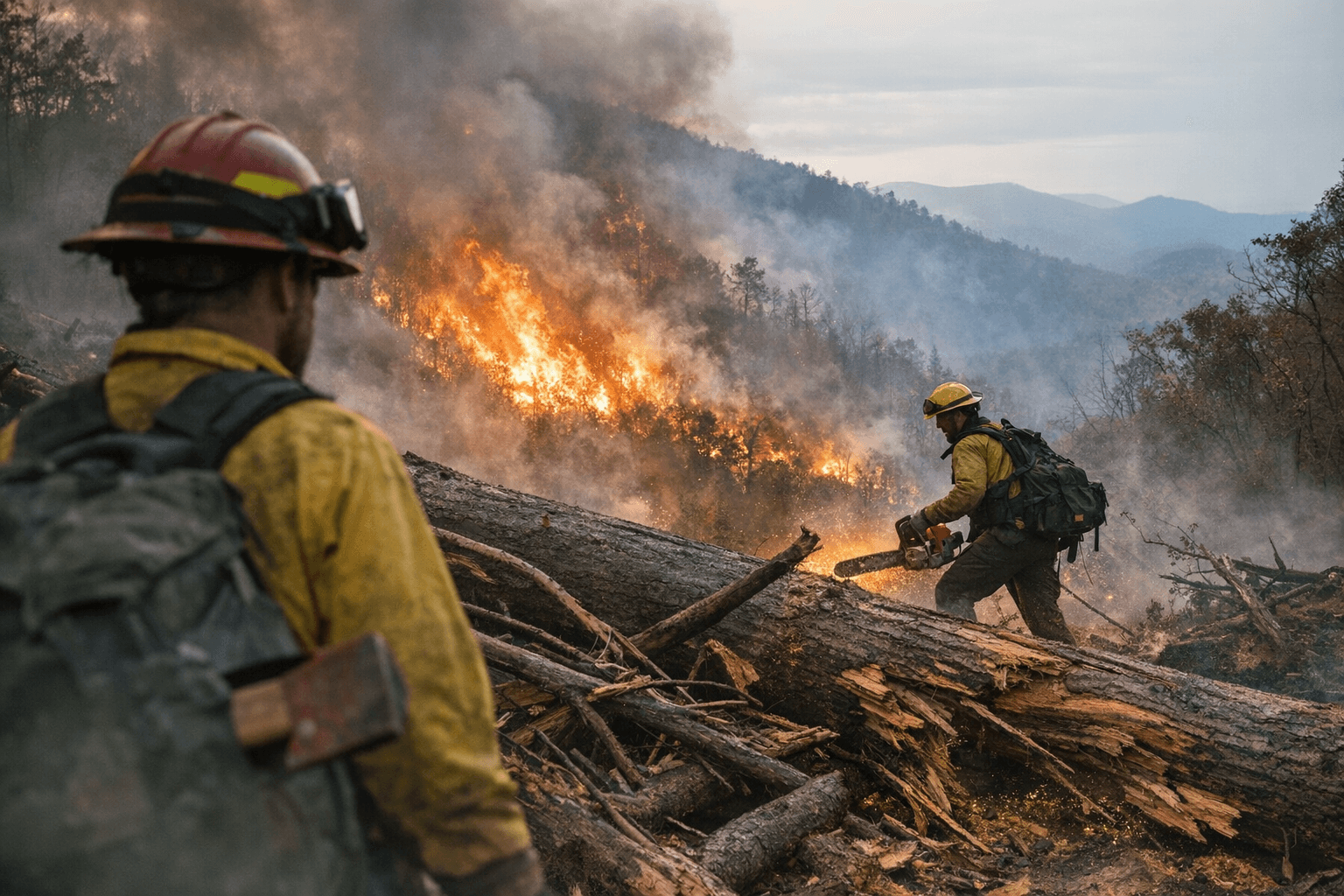
"As we have seen with Helene, we were cut completely off to western North Carolina," Taylor said. "There is so much damage in the woodlands and the mountains," he added, noting that crews can no longer safely reach certain areas.
That inaccessibility is not a short-term problem. Road damage has severed access to large stretches of woodland across mountain communities, and downed trees make parts of the forest impossible or dangerous to enter when blazes take hold. Traditional firefighting approaches, officials told lawmakers, may no longer be safe or viable in those conditions.
The N.C. Forest Service and the State Fire Marshal's office operate as complementary agencies: Taylor's office handles structural protection and shields communities from fire spread, while the Forest Service focuses on fighting fires in wildland areas. Both are strained. The Forest Service has faced persistent difficulty staying fully staffed, and broken equipment is compounding the operational pressure at a moment when fire activity is rising.
Taylor called for a fundamental rethinking of how the state mobilizes resources. "For us to be able to move equipment and supplies, we have to think outside of the box of how we are able to mobilize and protect these communities," he said. One specific proposal involves cross-training local structural firefighters to support wildland operations, which would help fill manpower gaps when large fires exceed what the Forest Service can handle alone.
The funding urgency was unambiguous. "Funding is needed now to fight this in a proactive way," Taylor said. "When these fires start occurring, it is going to take a lot of resources and funding to help fight these fires and help protect our communities."
No specific dollar figures were presented publicly during the legislative briefing. The exact 2025 wildfire count also differs slightly between agency reports, with one figure listed at 5,579 and another at 5,779, and officials have been asked to provide the confirmed total from official records.
For Buncombe County and the surrounding mountain region, the message from state officials was direct: the window for proactive action is now, before drying conditions and rising fire activity collide with the damaged terrain Helene left behind.
This article was produced by Prism’s automated news system from verified source data, official records, and press releases, then run through automated quality and moderation checks before publishing. The system is built and supervised by the people who set the standards it runs under. Read our full AI policy.
Did this article answer your question?