Western North Carolina forest research sites spared from federal cuts
Western North Carolina’s forest research network escaped federal cuts that targeted 57 facilities, protecting the data that helps managers track fire risk, tree health and watershed change.
Federal cuts that threatened 57 forest facilities nationwide left Western North Carolina’s research footprint intact, preserving work at sites tied to Asheville, the Pisgah and Nantahala national forests, and the long-term data stream that guides how mountain land is managed.
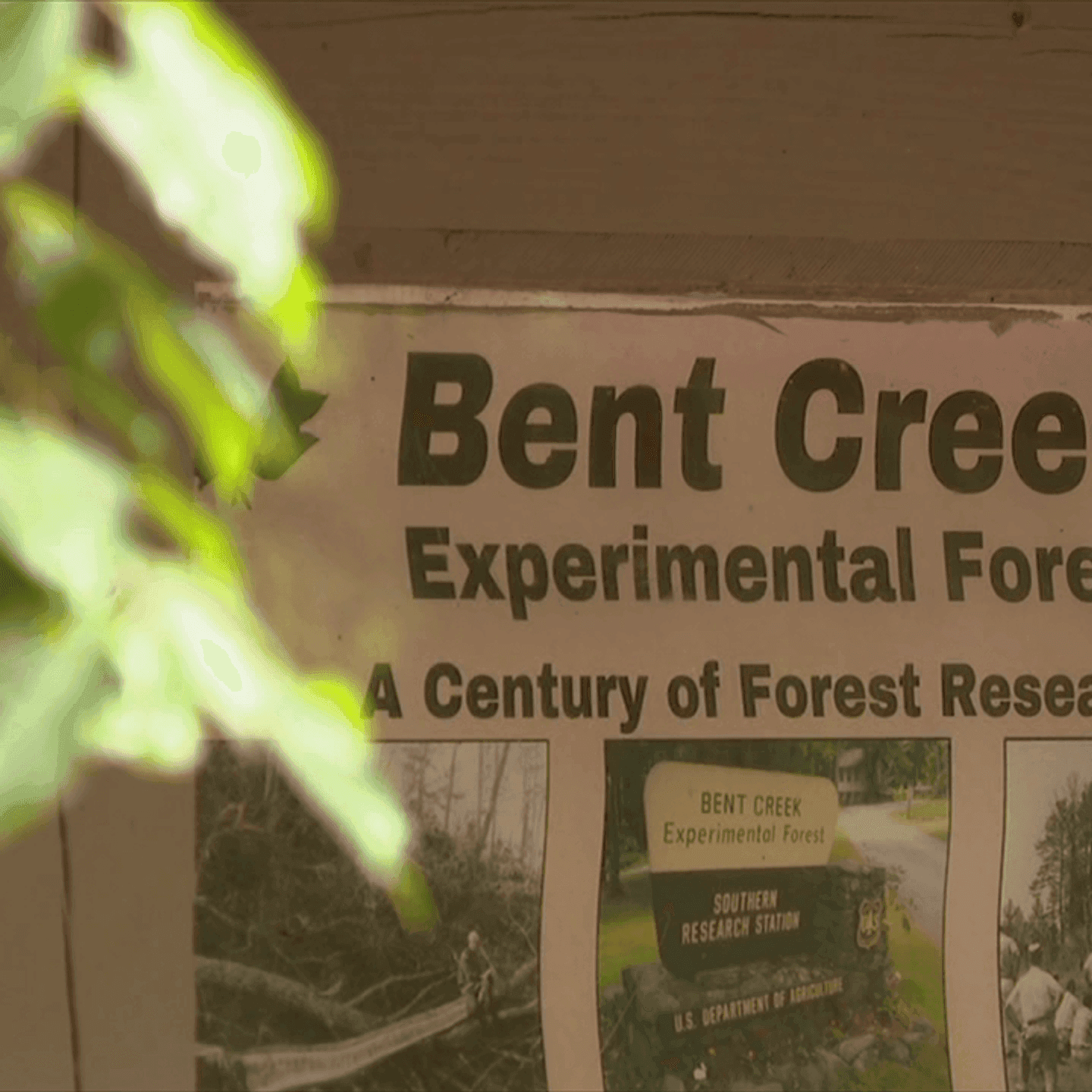
That matters far beyond the gates of Bent Creek Experimental Forest and the Coweeta Hydrologic Laboratory. Bent Creek, near Asheville, is the oldest experimental forest east of the Mississippi River and was established in the 1920s to study rehabilitation of degraded forests; today it remains a key place for forest-health research. Coweeta, in western North Carolina’s Nantahala Mountain Range, began in 1934 as a watershed-testing site and later became a long-term ecological research site in 1980.

The value of that work shows up in Buncombe County in practical ways. Research from these sites helps track wildfire conditions, forest recovery, streamflow, climate shifts and habitat change, information that shapes decisions on trails, public lands, timber, water resources and the outdoor economy. When Helene tore through the mountains, those connections became even clearer: the Forest Service estimated the storm caused $78.7 billion in damage, and by Sept. 25, 2025, 97% of roads, 93% of trails and 85% of recreation sites had reopened in the Pisgah and Nantahala national forests.
The Forest Service has said its reorganization includes moving headquarters to Salt Lake City, shifting to a state-based leadership model, building Operations Service Centers and unifying its research program. Agency officials also say they are not shutting down experimental forests and ranges, although some under-used or vacant facilities at those sites could still be proposed for closure while research continues.
In North Carolina, the network reaches well beyond one forest or one lab. North Carolina State University’s College of Agriculture and Life Sciences says its partnership with the North Carolina Department of Agriculture and Consumer Services operates 18 research stations across the state, giving university researchers, federal partners and NC Cooperative Extension specialists places to test ideas that eventually reach private landowners, county governments and land managers.
For Buncombe County and the rest of Western North Carolina, the reprieve keeps that pipeline open. The research stations may be out of sight for most residents, but the information they produce helps protect forests, support recovery after major storms and keep the region’s trails, waters and woods functioning for the people who use them every day.
This article was produced by Prism’s automated news system from verified source data, official records, and press releases, then run through automated quality and moderation checks before publishing. The system is built and supervised by the people who set the standards it runs under. Read our full AI policy.
Did this article answer your question?