Woodfin proposes FY2027 budget with tax cut, revitalization spending
Woodfin’s FY2027 plan pairs a proposed tax cut with millions for revitalization, pay raises and transit, setting up a test of the town’s priorities.

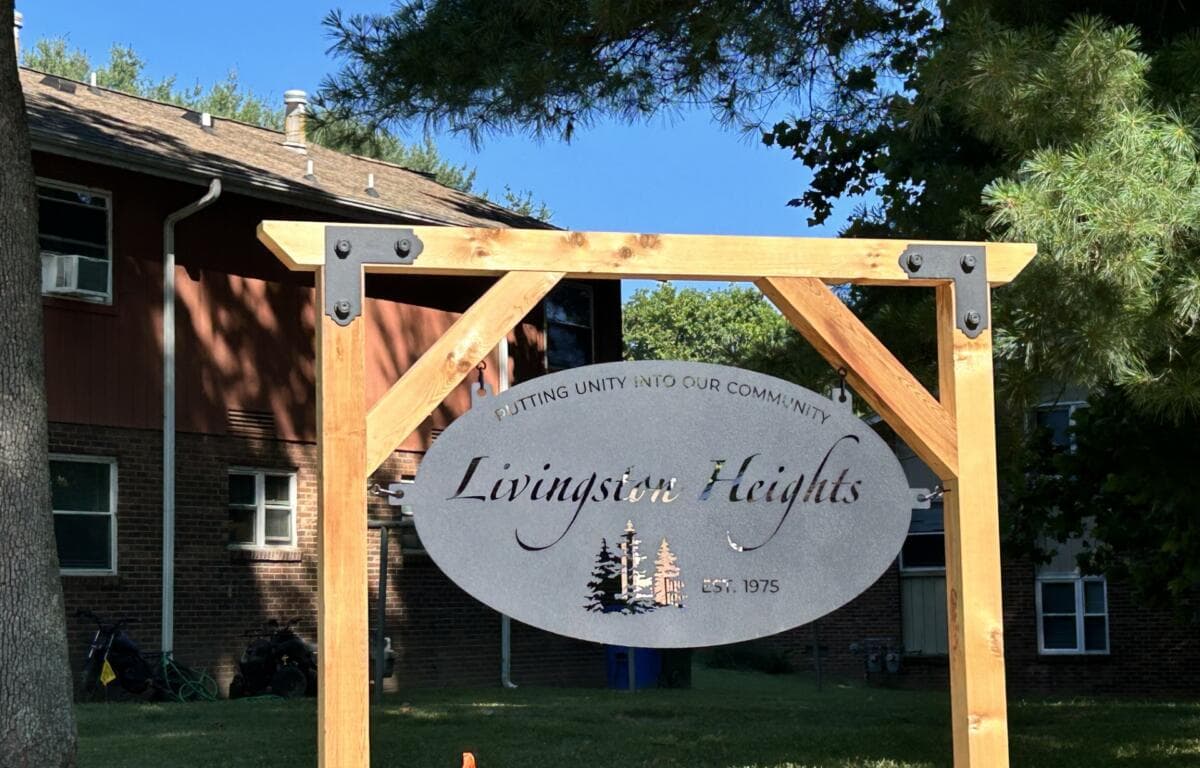
Woodfin’s proposed FY2027 budget would lower the town’s tax rate while steering millions toward neighborhood revitalization, employee pay increases, public transportation and entertainment-related investments, a combination that will shape which parts of town see benefits first as the community keeps rebuilding after Tropical Storm Helene.
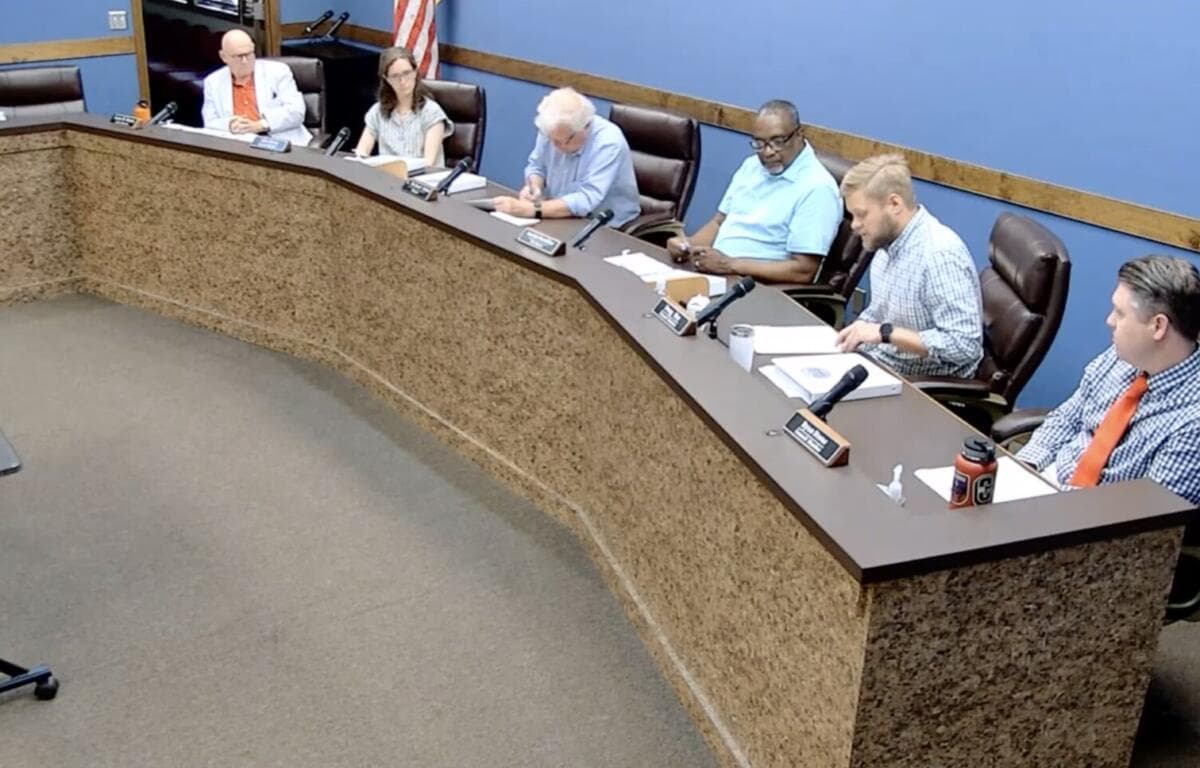
Finance Director Sheri Powers and Town Manager Shannon Tuch presented the budget to the Woodfin Town Council on May 19 at Woodfin Town Hall, 90 Elk Mountain Road, after work sessions on May 5 and May 12. The council agenda also included public hearings on a 12-month moratorium on data centers within town limits and a text amendment to add accessory dwellings as a limited use in the Community Shopping District, putting land use, growth and the budget on the same agenda.

The financial posture marks a clear change from the last budget cycle. Woodfin’s FY2026 budget ordinance set the town’s ad valorem tax rate at 33 cents per $100 of assessed value. The FY2027 proposal uses a revenue-neutral rate of 22.6 cents per $100, a lower rate that signals tax relief even as the town continues to spend on services and capital needs.
That mix puts a spotlight on Woodfin’s most visible projects. The town is still working through flood resilience planning after Helene, and its records place the budget inside a broader five-year capital planning process. At the same time, Woodfin is pushing ahead with downtown and riverfront redevelopment, including Taylor’s Wave and the Riverside Park expansion along the French Broad River. Those projects, along with transit spending and entertainment initiatives, suggest the town is trying to reinforce its identity as a small riverfront community that wants to grow without losing the places residents already use.
The budget process is not just about balancing a ledger. It is also a judgment about what Woodfin should become first: a town that eases the tax burden, a town that spends heavily to strengthen neighborhoods and public spaces, or a town trying to do both at once. The council’s next steps will show how much of that promise survives once the public hearing process is complete.
This article was produced by Prism’s automated news system from verified source data, official records, and press releases, then run through automated quality and moderation checks before publishing. The system is built and supervised by the people who set the standards it runs under. Read our full AI policy.
Did this article answer your question?