Youth Wrestling Programs in Asheville Build Skills, Resilience and Mentorship
Wrestling programs across Asheville are growing fast, turning young athletes into resilient, mentored competitors with skills that extend well beyond the mat.
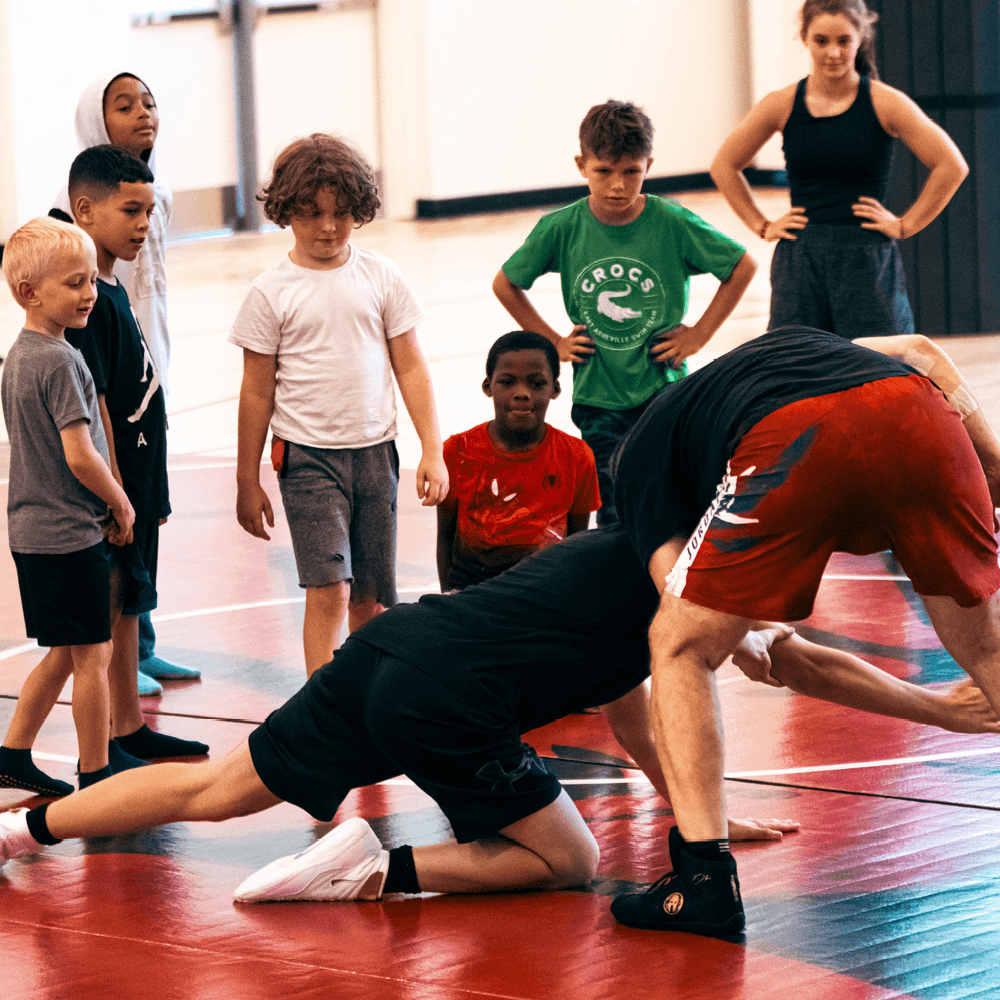
Few sports demand as much from a young athlete as wrestling. It strips competition down to its most elemental form: two competitors, a mat, and nothing to hide behind. That raw accountability, coaches and families in the Asheville area have found, becomes one of the sport's most powerful teaching tools, and youth wrestling programs across Buncombe County are expanding to put more children in that crucible.
A local feature published in mid-March profiles the coaches, volunteers, and families driving this growth, documenting how programs in Asheville and surrounding communities are building more than athletic ability. Physical conditioning, emotional resilience, and lasting mentorship relationships are the outcomes families are seeing, and they are drawing more young people into the sport each season.
A Sport That Builds the Whole Athlete
Wrestling's physical demands are well documented. Strength, balance, flexibility, and explosive coordination all develop through consistent training, and young wrestlers typically see measurable gains across all of those areas. But coaches working with youth programs in the Asheville area emphasize that the physical development, as visible as it is, may be secondary to what happens mentally and emotionally over the course of a competitive season.
The sport forces children to confront loss directly. A wrestling match ends with a definitive result, and there is no team to absorb the disappointment when it goes the wrong way. Learning to process that outcome, return to practice the next day, and compete again requires a kind of emotional discipline that translates into classrooms, workplaces, and relationships long after the last match is over. Families in Buncombe County who have watched their children come through these programs describe a marked shift in how their kids handle adversity outside the gym.
Mentorship at the Center of the Model
What distinguishes the programs highlighted in this feature is not just the quality of athletic instruction but the depth of the mentorship relationships forming between coaches, volunteers, and the young people they train. Wrestling, by its nature, is a sport where the coach-athlete relationship is unusually close. Technique correction is constant, individual, and physical in a way that team sport coaching rarely requires, and that proximity creates opportunity for meaningful connection.
Coaches working with youth wrestlers in the Asheville area are investing in that opportunity deliberately. Volunteers who themselves came up through the sport are returning to pass on what they learned, not just in terms of technique but in terms of character. The model mirrors what makes wrestling programs effective in communities across the country: experienced wrestlers becoming mentors, mentors becoming coaches, and the cycle reinforcing itself from one generation to the next.
For families, that continuity matters. Parents enrolling younger children in these programs are often doing so because an older sibling, a neighbor's child, or a classmate came through and visibly changed. The reputation of the coaches and volunteers in the program carries significant weight in those decisions.
Growth Across Asheville and Buncombe County
The expansion of youth wrestling in the Asheville area reflects a broader national trend, but it also speaks to the specific character of Buncombe County's athletic and civic community. Western North Carolina has a strong tradition of youth sports volunteerism, and wrestling programs have benefited from that culture. Coaches and organizers are finding that when the program delivers results, families talk, enrollment climbs, and the volunteer base grows to meet the demand.
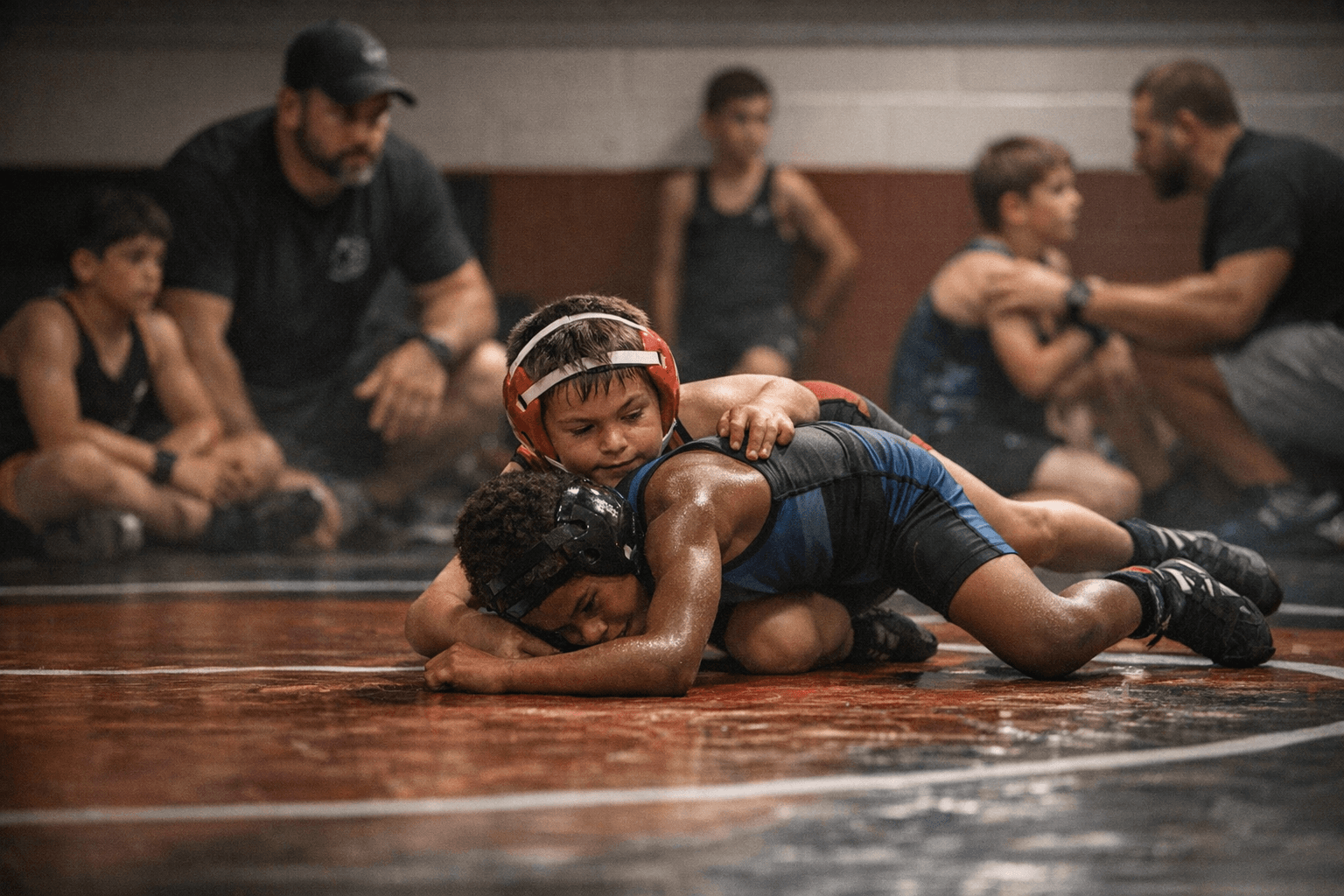
That growth creates its own challenges. Programs scaling up need adequate mat space, equipment, qualified coaches, and organizational infrastructure to handle larger rosters without sacrificing the individualized attention that makes the sport effective as a development tool. The programs profiled here appear to be navigating that tension thoughtfully, maintaining the mentorship-centered approach even as participation numbers rise.
The geographic spread of activity across Asheville and surrounding communities also ensures that youth wrestling is not confined to a single school or neighborhood. Children from across Buncombe County have access to programs, which broadens the demographic reach of a sport that has historically been concentrated in specific communities.
What Families Should Know
For parents considering youth wrestling for the first time, the sport can appear intimidating from the outside. The physicality is real, and the competitive format is direct in a way that some families find unfamiliar. But coaches working with young athletes in the Asheville area consistently emphasize that beginner programs are designed to meet children where they are, building fundamental movement skills and confidence before introducing competitive pressure.
A few things characterize well-run youth wrestling programs in this region:
- Coaches with backgrounds in the sport who prioritize safety and age-appropriate instruction
- A structured approach to competition that introduces young wrestlers gradually to tournament settings
- Volunteer involvement that creates mentorship depth beyond the head coach
- A team culture that frames individual outcomes within a broader community of effort and improvement
The programs highlighted in this feature reflect those characteristics, and the families who have experienced them firsthand describe the environment as one where children feel challenged but supported.
Looking Ahead
Youth wrestling in Asheville is growing because it is working. Children are developing physical capability, learning to compete with integrity, and forming relationships with coaches and mentors who invest genuinely in their development. The programs operating across Buncombe County are not just producing competitive wrestlers; they are producing young people better equipped to handle what comes next.
As enrollment continues to climb and the volunteer base deepens, the infrastructure supporting these programs will need to keep pace. The coaches and families at the center of this story are building something that extends well beyond any single season, and the community they have cultivated in and around Asheville is evidence that the investment is paying off.
Know something we missed? Have a correction or additional information?
Submit a Tip