Clarksdale musicians push to keep locals at center of growth
Clarksdale's blues boom is forcing a business question: who keeps the money when tourists arrive, and how can local artists stay in control?
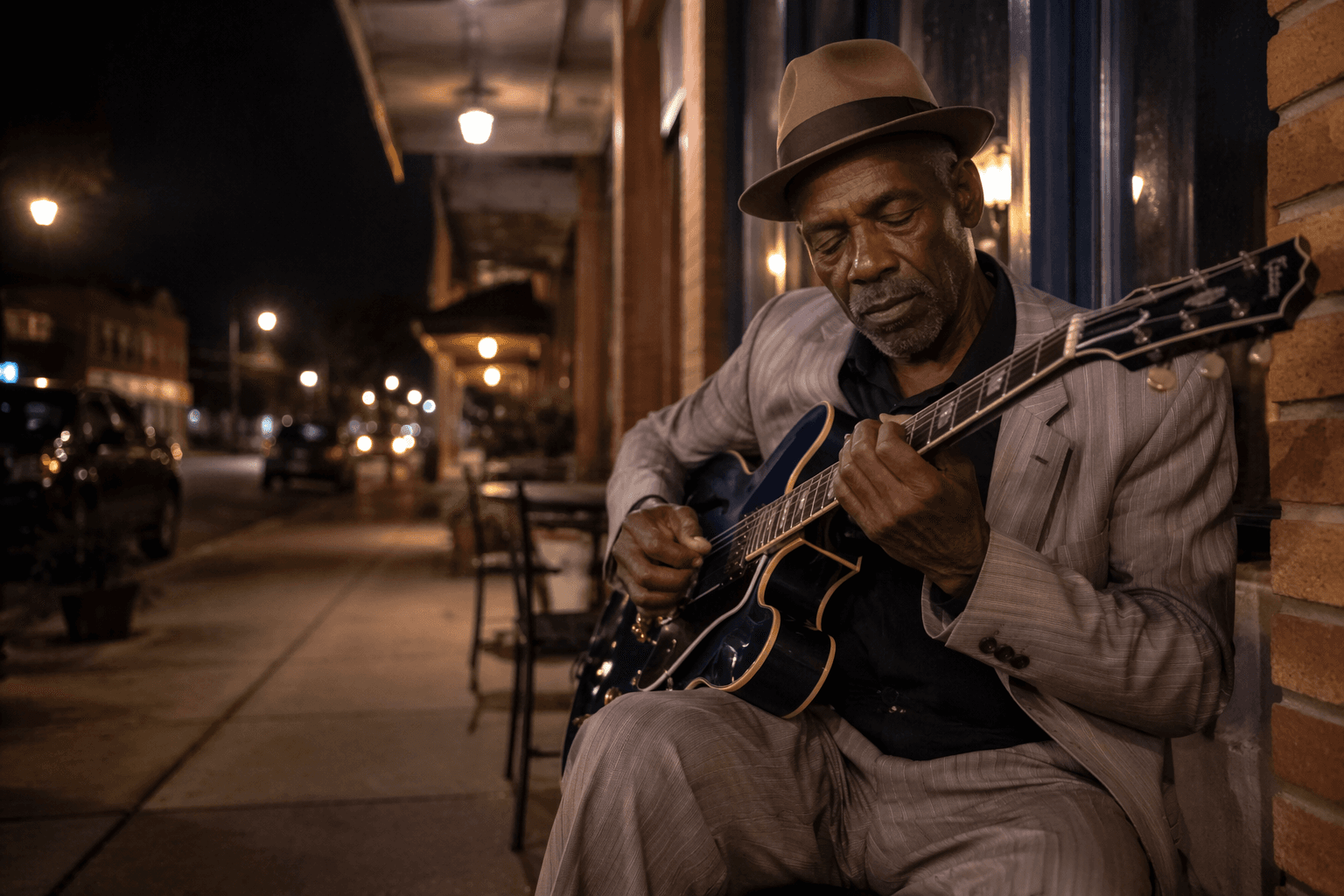
Clarksdale’s latest blues conversation was really about ownership. At a Saturday morning panel hosted by John Spann of the Mississippi Humanities Council, musicians Etna Luckett, who performs as Etna Nicole, Myles Forrest, who performs as Rev. Slim, and Keith Johnson pushed a point that reaches beyond music: cultural growth only works if the people who live and create in the city shape it.
For readers in Cleveland County, that makes Clarksdale less a one-off story than a model to study. The debate there is not just about heritage tourism or branding. It is about who captures the money, who controls the narrative, and whether a city built on Black cultural history can turn visitors into lasting local wealth instead of temporary traffic.
The money question behind the music
The clearest thread running through the panel was that Clarksdale’s blues economy cannot be reduced to outside investment alone. Local musicians want more than recognition, and residents want more than a weekend crowd. They want a development model where the people creating the culture also help decide how it is packaged, sold and reinvested.
That distinction matters because heritage tourism always divides revenue across several groups. Musicians earn the stage pay, small businesses sell food and drinks, property owners collect rent, and outside investors often capture the upside when a district gets hotter. If a city does not set guardrails, the most visible part of the culture can generate money while the people who made it valuable see only a small share of the return.
Clarksdale’s discussion makes that tension plain. The city is being asked to grow in a way that supports neighborhood identity, local entrepreneurship and Black cultural memory at the same time. That is a harder assignment than drawing visitors downtown, but it is the difference between a scene that lasts and one that gets extracted.
Why Clarksdale feels the pressure so sharply
The numbers help explain why this debate carries so much weight. Clarksdale’s population was 14,903 in the 2020 Census, and the Census Bureau estimated it at 13,643 on July 1, 2025. In a city that small, every new visitor, booking and storefront matters, and every loss of local spending power is easier to feel.
The city is also overwhelmingly Black, with the Census Bureau listing 80.9% Black alone and 13.4% white alone in its QuickFacts profile. That demographic reality is inseparable from the culture being marketed. The blues economy in Clarksdale is not a generic entertainment district. It is rooted in the Black history, labor and creativity that shaped the Mississippi Delta.
Visit Clarksdale leans into that identity by promoting the city as the Home of the Blues and advertising live blues music 365 nights a year. It also bundles the Delta Blues Museum, guided tours, dining, lodging and downtown arts and culture into one visitor experience. That strategy brings foot traffic, but it also raises the central policy question: does the visitor economy strengthen the people already there, or does it simply monetize their legacy?
The institutions already carrying the brand
Few places illustrate Clarksdale’s cultural weight better than the Delta Blues Museum. Founded on January 31, 1979, by Sid Graves of the Carnegie Public Library, it is described as the state’s oldest music museum and the world’s first museum devoted to the blues. That history gives Clarksdale an anchor most towns never get, and it helps explain why the city has become such a powerful symbol in Mississippi tourism.
But an anchor is not the same as a business model. Museums, festivals and downtown districts can bring visitors in, yet the economic benefits still depend on who owns nearby buildings, who books the talent, who runs the restaurants, and who can afford to stay in the area as interest grows. In that sense, the museum and the live-music calendar are assets, but they are not a complete answer to the ownership question.
Clarksdale’s event calendar shows how concentrated the cultural economy already is. The city’s 2026 lineup includes the Pinetop Perkins Foundation Masterclass Workshop, BAM Fest, the Sunflower River Blues & Gospel Festival, Cat Head Mini Blues Fest, Red’s Old Timer’s Blues Festival, Mighty Roots Festival, the King Biscuit Blues Festival, the Mississippi Delta Tennessee Williams Festival and the Hambone Festival. That schedule signals a deep tourism engine, but it also shows how heavily the city depends on heritage programming to keep attention and dollars coming in.
Culture Capital and the fight over who benefits
Clarksdale Culture Capital has helped sharpen the debate by tying arts programming to a larger argument about justice and preservation. In 2025, it organized Sinners-related programming after Ryan Coogler’s film brought fresh national attention to the city, and the effort framed culture as more than a travel pitch. The language around that programming centered on cultural justice, community empowerment and preservation.
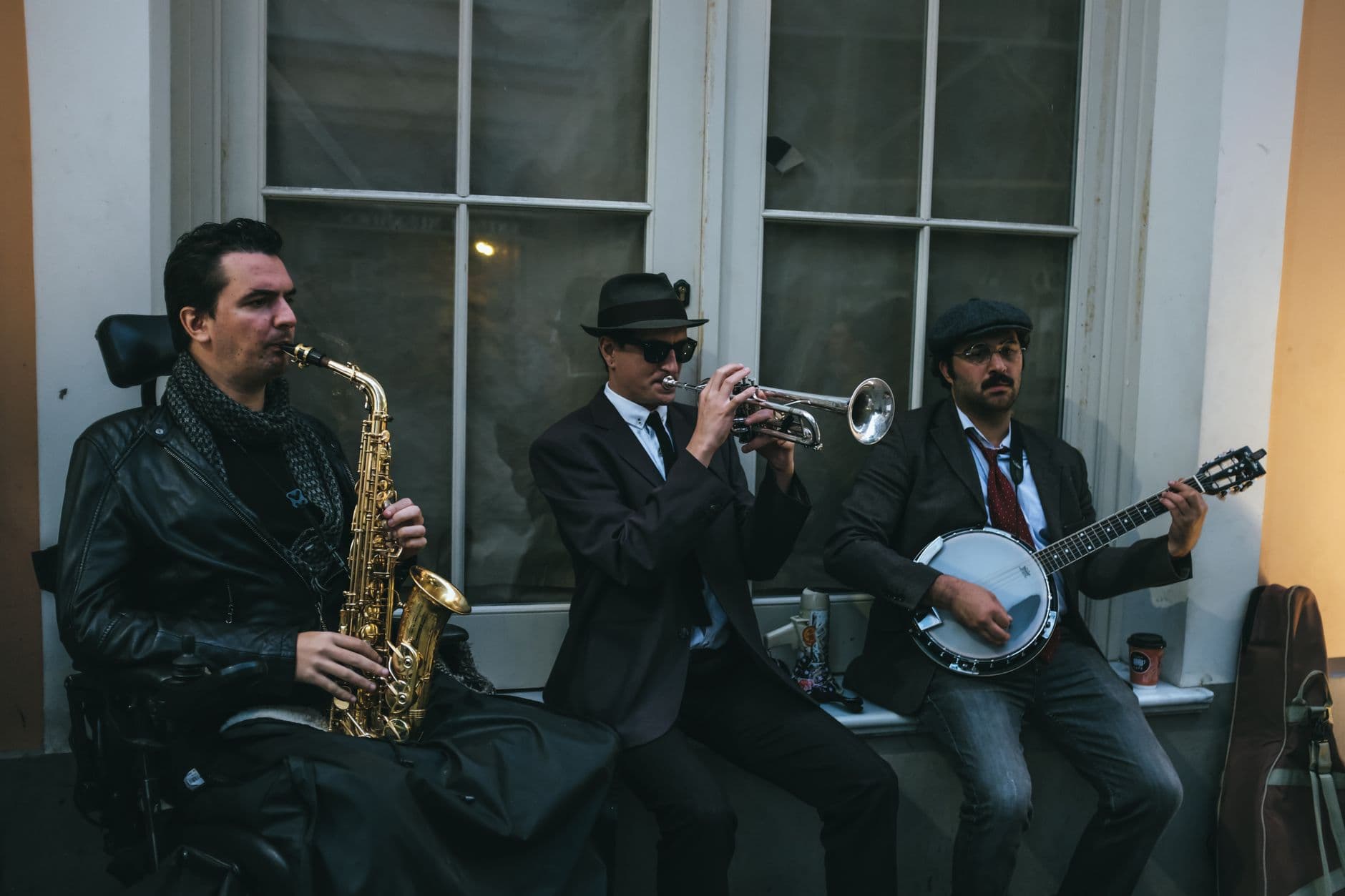
That framing carried into June 2026, when Clarksdale Culture Capital described the city as the epicenter of blues tourism and asked who benefits from cultural economies rooted in Black history and creativity. That is the right question for any place trying to turn heritage into income. Cultural development can lift a downtown, but only if the gains stay local enough to support the musicians on stage, the shop owners on Main Street and the residents living just beyond the tourism corridor.
For Cleveland County, the lesson is practical. If a community wants heritage tourism to matter, it has to think beyond event attendance and room nights. It has to ask who owns the storefronts, who gets the bookings, who sets the terms for downtown growth, and whether local people have a real stake in the places being promoted in their name.
What a locally controlled model looks like
The Clarksdale debate points toward a simple standard for any Delta town trying to grow without losing itself. Cultural development should create work for local musicians, keep small businesses in the mix, and leave room for neighborhood residents to benefit from rising interest in the area. If outside money arrives, it should amplify local control rather than replace it.
That means the strongest version of heritage tourism is not the one that attracts the most weekend visitors. It is the one that leaves behind durable income, local ownership and a community that can still recognize itself after the cameras leave. Clarksdale’s blues economy is showing how high the stakes are, and why the next phase of growth has to be measured by who keeps the value.
This article was produced by Prism’s automated news system from verified source data, official records, and press releases, then run through automated quality and moderation checks before publishing. The system is built and supervised by the people who set the standards it runs under. Read our full AI policy.
Know something we missed? Have a correction or additional information?
Submit a Tip