Cleveland County explains why property values change after revaluation
A house can stay the same and still get a new value when Cleveland County resets prices to market data, and the tax bill still depends on the rate.
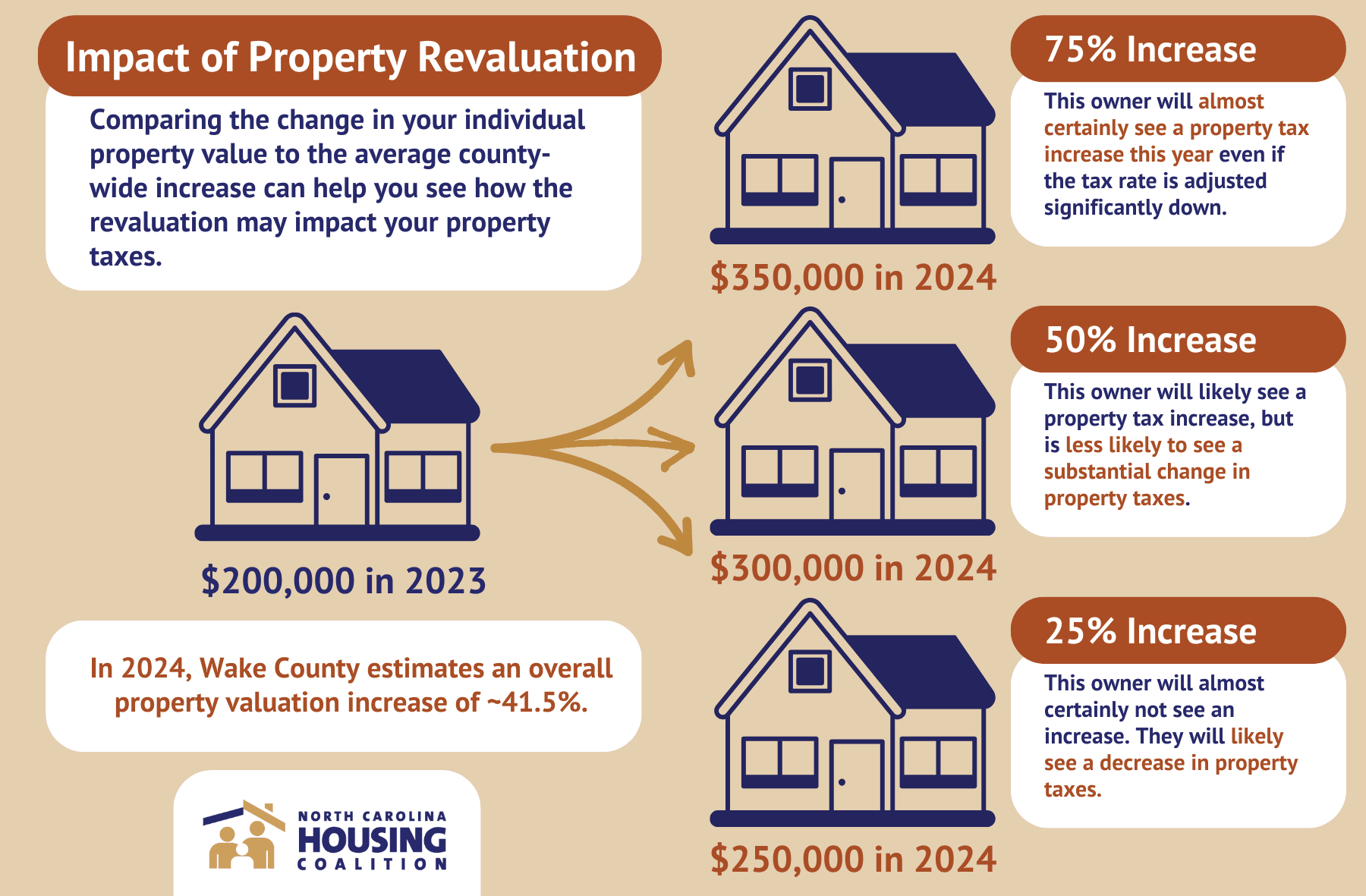
Cleveland County’s 2025 revaluation became effective January 1, 2025, and it covers more than 60,000 properties. A house can sit untouched in Shelby and still come back with a higher assessment after revaluation, because Cleveland County resets values to market conditions on a specific date, not to the age of the siding or the size of the mortgage. Nearby sales, zoning shifts and land classifications can move a value even when the roofline looks the same from the street.
Why the number changes even when the house does not
Cleveland County treats revaluation as a fresh market-value reset, not a simple across-the-board increase. Reappraisal is an appraisal, or opinion of value, of all parcels as of January 1 of the general reappraisal year, which means the figure is built from current evidence rather than the last tax bill.
That evidence is broad. The county’s appraisal team uses aerial and street photography, recent sales, zoning, soil classifications, improvements and deed records, and it applies mass-appraisal standards across more than 60,000 properties. In practice, that means a home can change value because nearby sales moved higher, because the land is classed differently, or because the site data no longer matches what is on the ground.
A farm tract, a business parcel and a single-family home can all react differently to the same market shift. Revaluation brings homes, farms and businesses to current market value and keeps treatment more even across property types.
How the tax bill is actually built
The assessment number is only one part of the bill. The annual tax bill is calculated by multiplying the appraised value by the tax rate chosen by each taxing jurisdiction, so a higher value does not automatically mean a higher bill if the rate falls at the same time.
If your lender collects property taxes in escrow, the monthly payment can change after the county updates the assessed value and the lender recalculates what it needs to hold for taxes. Value and rate are separate pieces of the equation.
Cleveland County also separates real property from personal property. Real property is handled through the countywide revaluation, while personal property such as vehicles, trailers, boats and ATVs is valued annually. Registered motor vehicles follow a different timetable in North Carolina, because they are assessed on the renewal date rather than through the real-property reappraisal cycle.
For a rough example, a $300,000 county assessment at the current 40.5-cent county rate would produce $1,215 in county tax before school and fire levies are added. The FY 2026-2027 recommended budget puts the combined countywide rate at 61.5 cents per $100 of assessed value, made up of 40.5 cents county, 14.0 cents school and 7.0 cents fire.
How North Carolina’s rules compare with Mississippi’s
North Carolina’s system separates real property, personal property and motor vehicles, and real property must be reappraised at least every eight years under state Department of Revenue rules, though counties may do it more often. Cleveland County is on a four-year cycle, which is why its values update more frequently than the state minimum.
Mississippi uses the same basic ad valorem idea, but the mechanics differ. There, the county Tax Assessor appraises property at true value and taxing authorities set the rate. Mississippi also generally exempts household personal property, while taxable personal property is valued annually and motor vehicles are taxed when they are registered.
What Cleveland County’s latest cycle means for wallets
Cleveland County’s current rates show how revaluation can change taxes without leaving the bill to rise automatically. After the 2021 revaluation, commissioners reduced the property tax rate from 57.0 cents per $100 of assessed value to 54.75 cents. After the January 1, 2025 revaluation, the Board of Commissioners reduced the county property tax rate again, this time from 54.75 cents to 40.5 cents per $100.
The county budget identifies property tax as the county’s top funding source and puts it at roughly 61% of general fund revenue statewide in North Carolina.

The shorter cycle is intended to make taxes more equitable, predictable and manageable. Longer gaps can leave values stale, then force larger jumps when the county finally resets the books.
How to verify the value and challenge it
Cleveland County gives homeowners practical tools to check the new number. The revaluation page links to an online appeal form and directs owners to review tax assessment records with the Improved Sales and Vacant Sales layers for recent comparables. If the record does not match the property on the ground, the county can visit and observe a property to verify recorded characteristics.
The appeal path is straightforward:
1. Pull the county record and review the listed characteristics.
2. Compare the value with recent sales shown in the Improved Sales and Vacant Sales layers.
3. If the 2025 appraised value does not look like a reasonable estimate of what the property could have sold for on January 1, 2025, file an appeal.
If the value seems off, the question is whether the number reflects what the property could have sold for on the revaluation date, and that is the standard the county applies.
The county’s Board of Equalization and Review is the local forum for disputed assessments when records, sales data or property details do not line up.
This article was produced by Prism’s automated news system from verified source data, official records, and press releases, then run through automated quality and moderation checks before publishing. The system is built and supervised by the people who set the standards it runs under. Read our full AI policy.
Did this article answer your question?