Cleveland shelter expands humane feral cat control program
Cleveland’s shelter expanded trap-neuter-return downtown, targeting fewer litters, fewer complaints and less strain on the Bolivar County shelter.

Downtown Cleveland’s stray-cat problem is being met with sterilization instead of removal alone. The Cleveland-Bolivar County Animal Shelter expanded trap-neuter-return work with the Mississippi Spay and Neuter Initiative, aiming to shrink the feral-cat population, cut new kitten births and ease pressure on the shelter.
The program is built around a simple measurable goal: trap community cats, neuter or spay them, then return them to their original area so the colony stops growing. That approach is meant to lower the number of cats seen around homes, businesses and public spaces in downtown Cleveland and nearby neighborhoods, where complaints can build quickly when colonies reproduce unchecked.
City leaders have said the shelter exists to help the community manage animal welfare in Bolivar County, and that education of the human population is the key to managing the animal population. The Mississippi Spay and Neuter Initiative said its funding support is limited to Mississippi residents who need help with spay and neuter services for at least five animals causing hardship, or for colonies of cats, a rule that fits a downtown colony project like this one.
The shelter is listed at 200 West Carpenter Street, Cleveland, MS 38732, and public listings identify Jamie Grant as its contact and director. That gives residents a local point of contact as the shelter and its partners try to build a more organized response to a problem that has persisted for years.
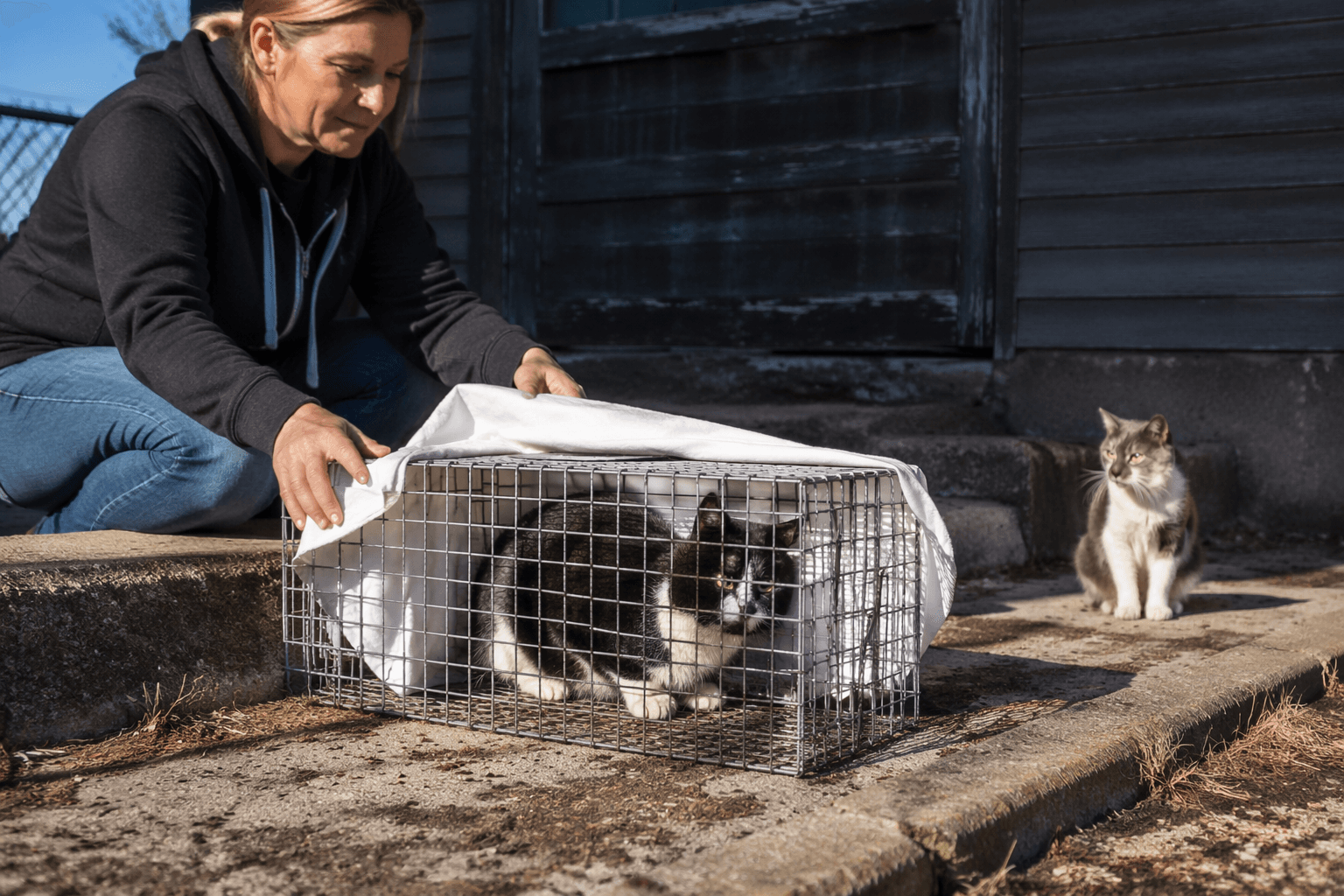
Animal-welfare groups have long backed this model. Best Friends Animal Society describes trap-neuter-return as a humane and effective way to reduce community cats. Alley Cat Allies says the method works by ending the breeding cycle, while International Cat Care says TNVR improves welfare and helps communities live alongside unowned cats. In practical terms, success in Cleveland will mean fewer kittens turning up each season, fewer intake surges at the shelter and fewer visible colonies in areas where residents and businesses notice them most.
The issue is not new. A shelter Facebook post in 2018 called stray cats a huge issue in Bolivar County and pointed people to spay and neuter vouchers. That history suggests Cleveland is now pressing a long-term strategy rather than another short cleanup. The limits are just as clear: trap-neuter-return does not solve the problem overnight, and it only works if enough cats are caught, treated and returned consistently. But by expanding the effort downtown, Cleveland has chosen a humane plan aimed at reducing the problem at its source.
This article was produced by Prism’s automated news system from verified source data, official records, and press releases, then run through automated quality and moderation checks before publishing. The system is built and supervised by the people who set the standards it runs under. Read our full AI policy.
Know something we missed? Have a correction or additional information?
Submit a Tip