Fourth Circuit Intervention Court marks 25 years, celebrates 13 graduates
Thirteen people graduated as the Fourth Circuit Intervention Court marked 25 years in Greenville, where more than 350 have completed a program built to cut repeat offenses.

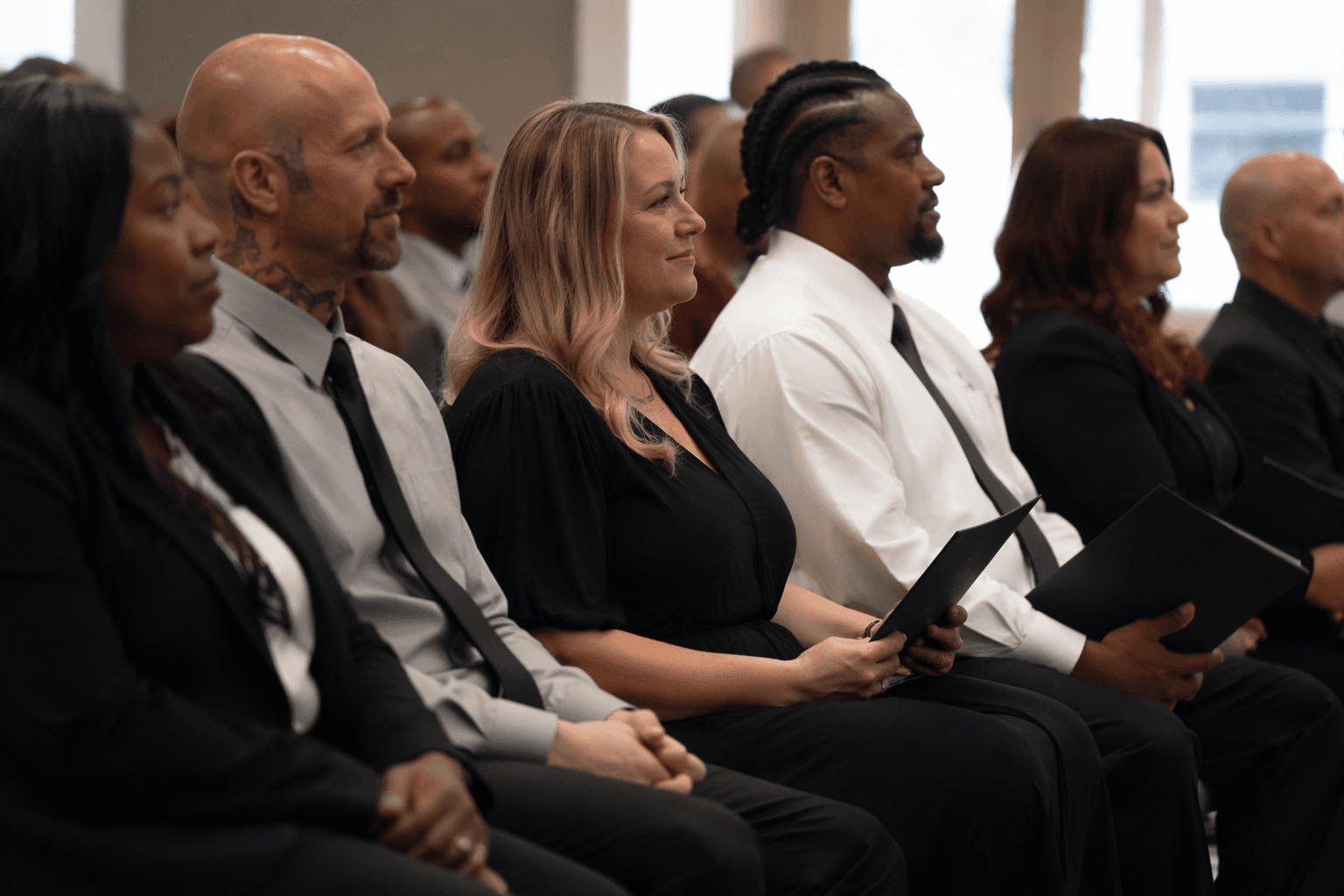
The Fourth Circuit Intervention Court marked a quarter-century in Greenville by graduating 13 people at the Washington County Convention Center, a milestone that put hard numbers behind a long-running argument for treatment courts: they can keep people out of jail, cut repeat offenses and help families stay together.
More than 350 people have graduated from the program since it began, and 55 participants are still active now, keeping the court very much in motion rather than locked in the past. That matters in Washington County and across the Mississippi Delta, where substance-use cases often spill into arrests, crowded dockets and disrupted households.
The court’s roots go back to 2001, when Judge Margaret Carey-McCray established it as the first drug court in the Mississippi Delta after seeing the need for a structured response to substance-abuse-related offenses. Keith Starrett, who founded Mississippi’s first felony drug court, helped build the model, and Carey-McCray, Ashley Hines and Carol White-Richard have overseen the program over time.
At the ceremony, the featured speaker was Marcus Anderson, a Greenville native who graduated from the same program in 2018 and now works as a Certified Peer Support Specialist with the Fourth Circuit Intervention Court. His role shows how the court is feeding back into the recovery system, turning former participants into workers who can guide others through treatment, supervision and the difficult stretch after graduation.
The court’s goals extend beyond sobriety. More than half of this year’s graduates regained custody of children or reconnected with family members, a result that turns a courtroom statistic into a public-safety issue with direct consequences for homes, schools and child welfare. Mississippi judiciary materials say intervention courts are designed to reduce recidivism, reduce substance abuse and rehabilitate participants through supervision, drug testing, treatment services and immediate sanctions and incentives.
Statewide figures show why local officials keep pointing to those courts as more than a feel-good exercise. By March 2023, Mississippi said its drug intervention courts had reached 10,000 graduates. The state also reported more than 21,000 hours of community service from participants in fiscal year 2022, an adult felony drug intervention court recidivism rate of 2.9 percent compared with 35.4 percent for people who went to prison and were released, and $57.6 million in avoided incarceration costs that same year.
Chief Justice Mike Randolph later said statewide incarceration-cost savings from drug intervention courts since 2006 were approaching $1 billion, underscoring the financial stakes behind programs like the one in Greenville. National treatment-court standards from All Rise and federal family-treatment-court guidance both frame these courts as evidence-based efforts built to protect children, stabilize families and create safe, permanent outcomes instead of another cycle through arrest and jail.
This article was produced by Prism’s automated news system from verified source data, official records, and press releases, then run through automated quality and moderation checks before publishing. The system is built and supervised by the people who set the standards it runs under. Read our full AI policy.
Know something we missed? Have a correction or additional information?
Submit a Tip