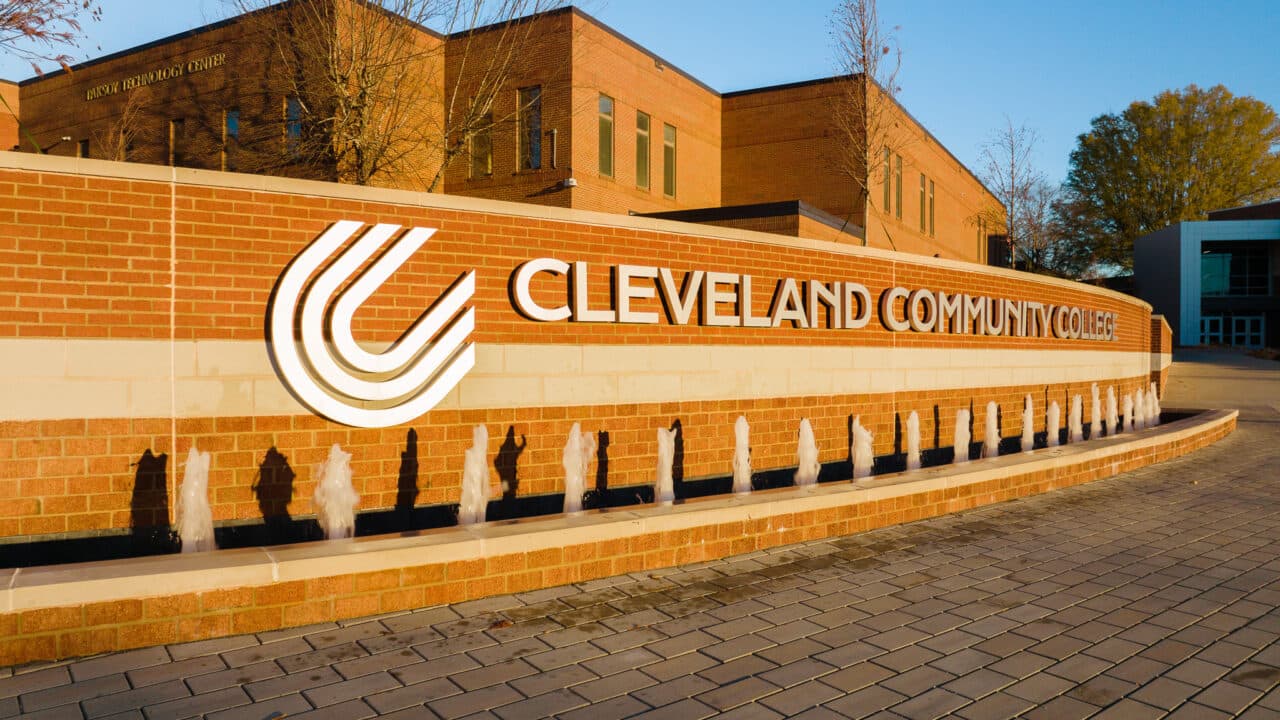
Gardner-Webb helped turn Boiling Springs into a college town
Gardner-Webb’s growth changed Boiling Springs from a foothills school town into a true college community, shaping daily life, civic plans, and local identity.
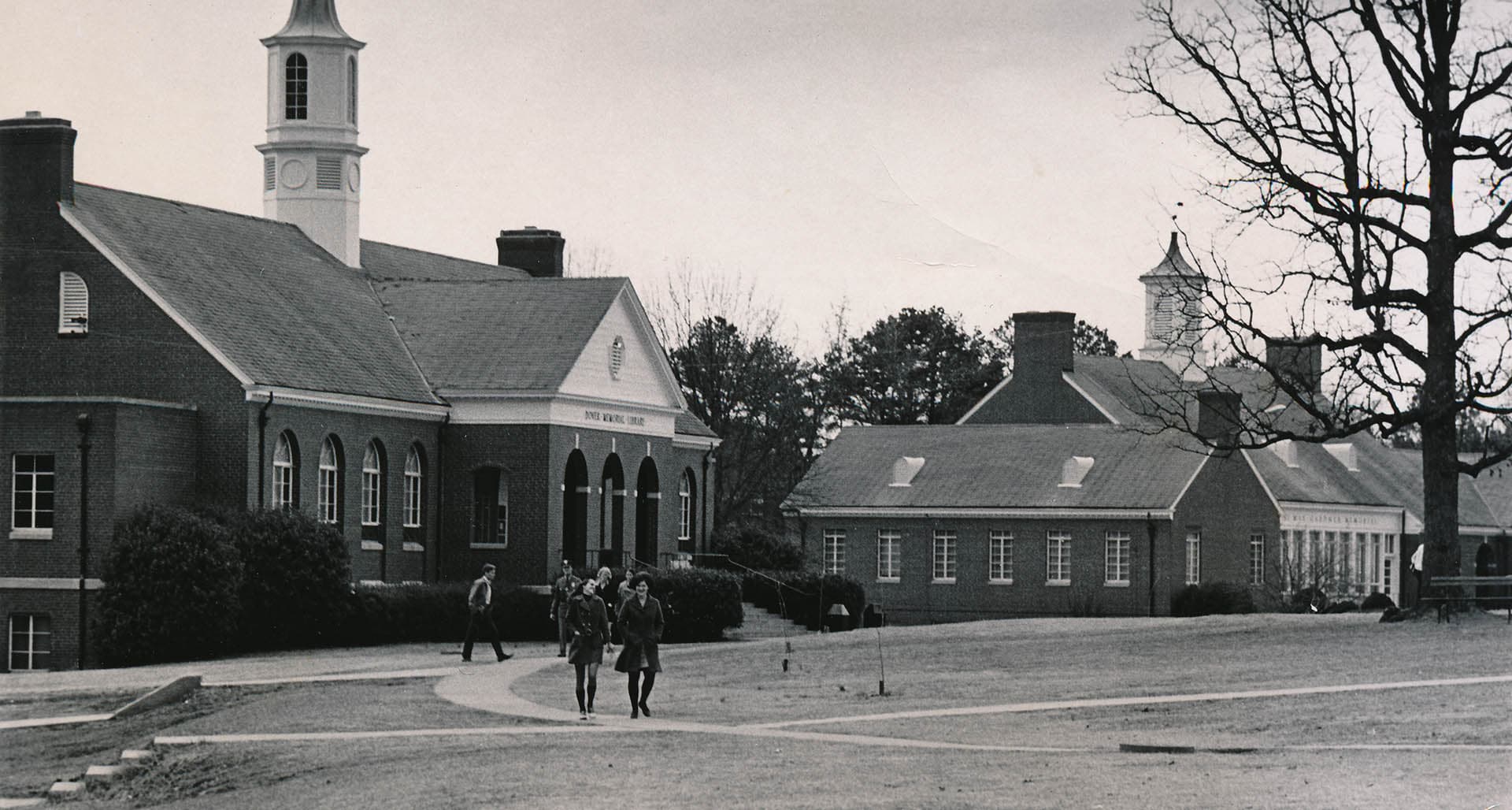
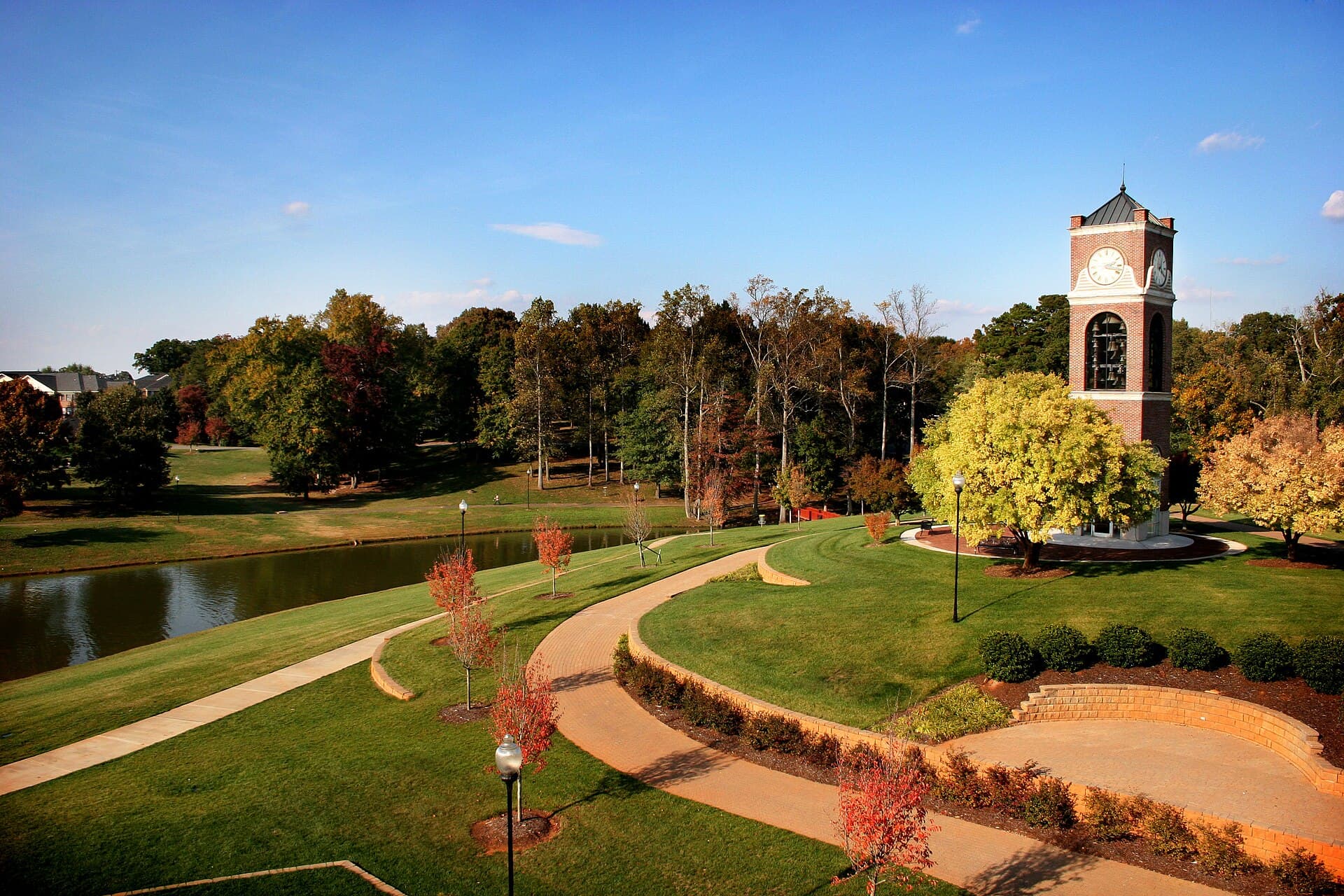
Gardner-Webb did more than put a campus in Boiling Springs. It helped make the town itself recognizable as a college place, where student traffic, campus events, and local planning now shape everyday life around 110 South Main Street. The change was gradual, but the markers are visible: a 225-acre campus, a café meant to serve students and neighbors together, and a town that now openly organizes around the university.
From Boiling Springs High School to a university anchor
The university’s own history tells the story of that transformation in four dates. It began as Boiling Springs High School in 1905, became Boiling Springs Junior College in 1928, was renamed Gardner-Webb College in 1942, and reached university status in 1993. That timeline matters because it shows Boiling Springs did not receive a large outside institution dropped into town; it grew one step at a time from a local school into a regional university.
NCpedia places Gardner-Webb near Shelby in Cleveland County and traces the institution’s roots to Boiling Springs High School. It also places Boiling Springs among the county’s communities alongside Belwood, Mooresboro, Grover, and Earl, which helps explain why the university stands out so strongly in a county made up of small towns rather than one dominant city. In that setting, Gardner-Webb became one of the clearest institutions defining the area’s educational identity.
The people who gave the school its name and momentum
The Gardner-Webb name reflects a local family network that helped revive the institution during a crucial moment. NCpedia identifies Fay Lamar Webb Gardner as a businesswoman and civic leader, and records that she married O. Max Gardner in 1907. Another NCpedia biography notes that his sister Bess married Clyde R. Hoey, a connection that strengthened the area’s political and social ties.
That history helps explain why the 1942 renaming mattered so much. The school’s survival was tied to local support, and the Gardner-Webb name carried both family influence and a sense of civic commitment. In a town as small as Boiling Springs, those names still signal how deeply the university’s future was shaped by Cleveland County itself.
Why Boiling Springs feels like a college town now
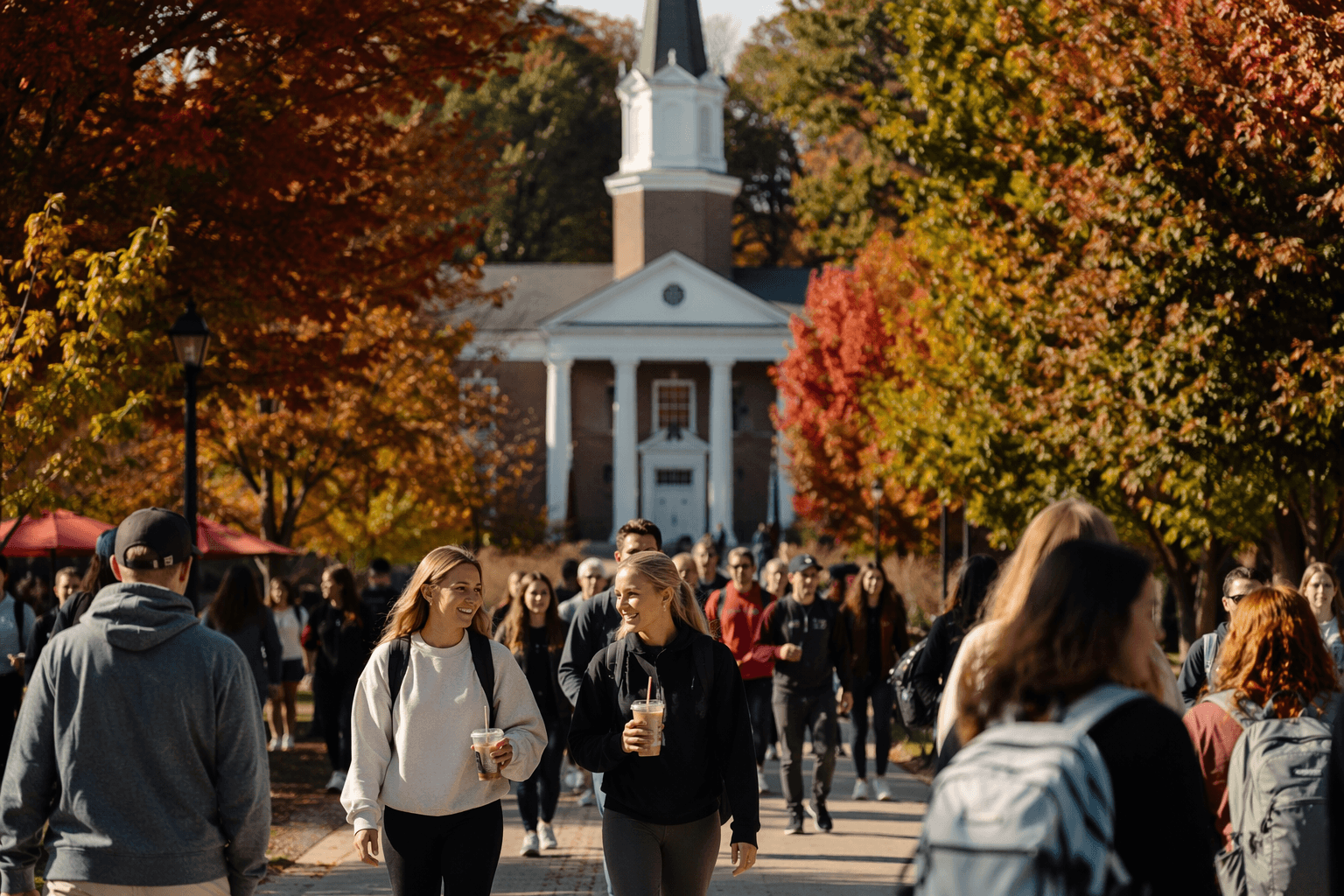
Walk through the area today and the college-town identity is hard to miss. Gardner-Webb says its main campus sits on 225 acres in the North Carolina foothills and describes Boiling Springs as a “small college town.” The location is part of the appeal: the campus is about 50 miles west of Charlotte and roughly an hour from Asheville and Greenville, South Carolina, so it has a compact hometown feel without being cut off from larger regional hubs.
The school says it serves approximately 3,000 students, and those students come from 48 U.S. states and 45 countries. That mix gives Boiling Springs a broader reach than its size would suggest. For a town with a local street grid centered on campus life, that means a steady flow of people with different schedules, different traditions, and different reasons to spend money and time nearby.
Where the town and campus meet
The most concrete signs of the town-gown relationship are the places and events where students and residents actually gather. Gardner-Webb’s campus café was designed as a shared community space, with a goal of bringing students and Boiling Springs residents to the same tables. That kind of everyday overlap matters in a place where college life is not separate from town life but folded into it.
The partnership also shows up in events. Town and university leaders have co-hosted Webbstock, and Octoberfest has been an annual fall tradition on campus since 2005, later joined by the Town of Boiling Springs and the Ruby C. Hunt YMCA. Those are the kinds of events that turn an academic calendar into a civic rhythm, giving the town shared moments that are both social and economic.
The business and planning side of college-town life
Boiling Springs leaders have not treated Gardner-Webb as just a backdrop. A 2020 Shelby Star report said town leaders were pursuing a downtown master plan, a corridor study, park renovation, and a new relationship with Gardner-Webb. That is a clear sign of how the university became part of the town’s development strategy, not merely one user among many.
Transportation has also been part of the conversation. A 2021 Shelby Star report said Gardner-Webb was exploring a bus system linking Shelby and Boiling Springs for students and the general public. For a small town near Shelby, that kind of connection can shape where people live, where they shop, and how easily students move between class, work, and community life.
The local economy reflects that dependence in small but meaningful ways. When a campus café is framed as a place for both students and residents, and when town leaders are planning corridors and downtown improvements around the university, the message is simple: Gardner-Webb is not just adding population. It is helping support the daily circulation of customers, workers, and visitors that a small town needs to stay active.
Why the identity shift still matters
Boiling Springs has not turned into a big-city college district, and that is exactly why the Gardner-Webb story is so distinct. The campus remains closely tied to its original foothills setting, with East College Avenue and South Main Street still anchoring the town’s center of gravity. The university’s growth did not erase the town’s scale; it gave the town a new identity that fits its size.
That identity now reaches beyond Cleveland County, but it still feels local at ground level. A school that started in 1905 as Boiling Springs High School now draws students from across the country and around the world, while town leaders plan roads, parks, and downtown spaces with the university in mind. In Boiling Springs, the college did not simply arrive. It helped write the town’s modern name.
This article was produced by Prism’s automated news system from verified source data, official records, and press releases, then run through automated quality and moderation checks before publishing. The system is built and supervised by the people who set the standards it runs under. Read our full AI policy.
Did this article answer your question?