Why Shelby became the permanent home of the American Legion World Series
Shelby's fixed ALWS home status turns one August tournament into a repeat economic engine, filling hotels, restaurants and downtown Shelby every summer.
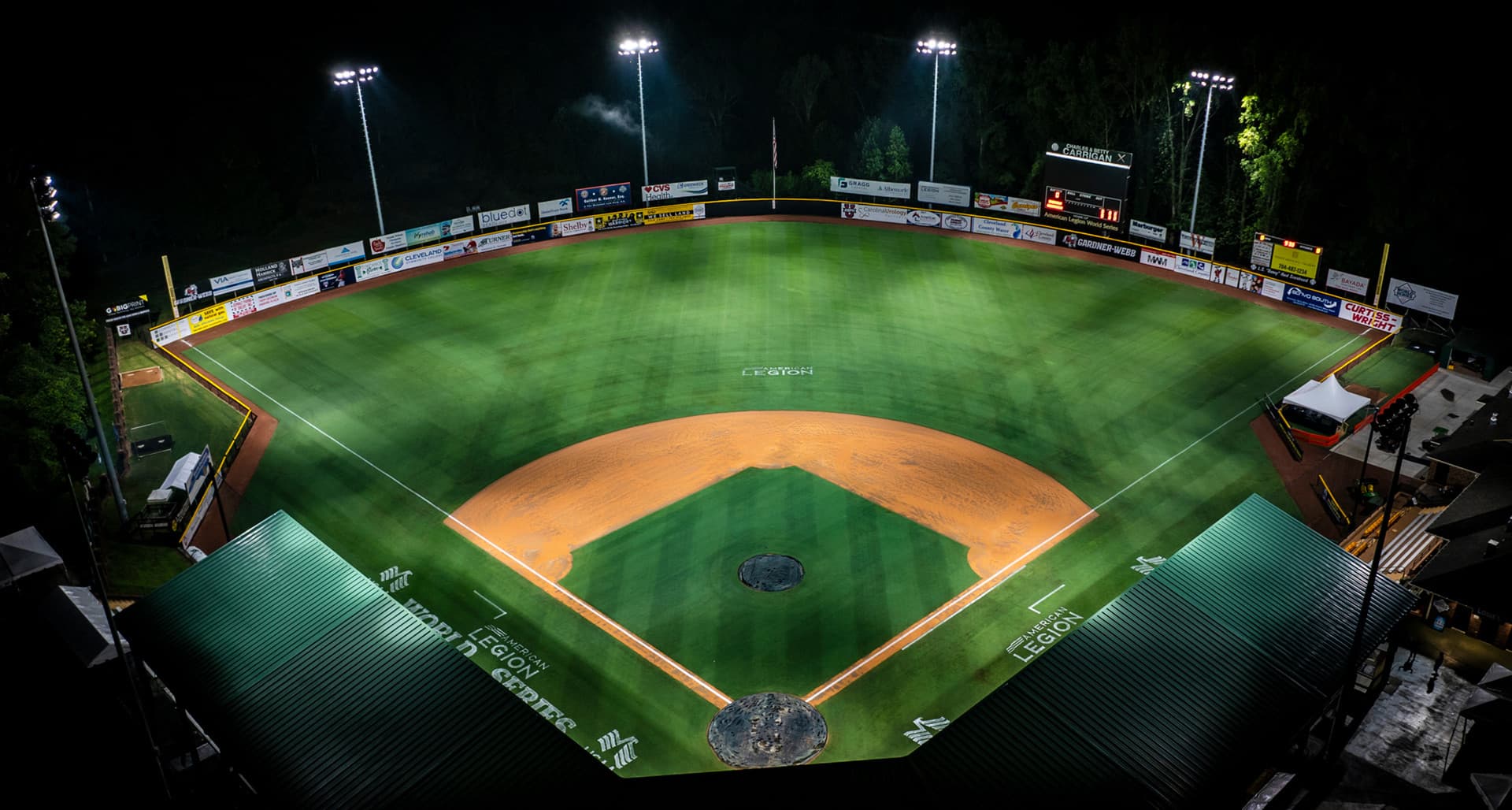
Every August, Veterans Field at Keeter Stadium gives Shelby something most host cities never get: certainty. Since 2011, the American Legion World Series has returned to the same Cleveland County ballpark for six days of championship baseball, and that repeat calendar now drives hotel demand, restaurant traffic and a civic identity built around being the tournament’s permanent home.
A permanent home changed the economics
The shift from rotating host cities to a fixed site changed the tournament’s value for Shelby in practical terms. When The American Legion made Shelby the permanent home after a four-year review, Jerry Hedrick called it “the jewel in the crown” for the organization, Shelby and the Department of North Carolina. That permanence gives Cleveland County a predictable August surge instead of a one-off event, and the economic measurements have stayed in the millions: 2019 local impact was $4.2 million before the pandemic, the 2022 week-long event had an economic impact of more than $4 million, and the 2018 tournament generated $16 million regionally.
The crowds are not confined to Shelby or even North Carolina. In 2025, the World Series sold 152,340 tickets from at least 29 states, filling hotel blocks, driving meals at local restaurants and keeping downtown foot traffic moving through a full tournament week. During the 2022 series, hotels were at capacity and restaurants were filled with guests.
The stadium was built for a different era, but it fit this one
Veterans Field at Keeter Stadium did not begin as an American Legion showcase. It hosted its first game on March 17, 1976, and was built to draw minor league baseball back to Shelby, with then-Kings Mountain mayor and Western Carolina League president John Henry Moss pushing the project. Shelby had already hosted minor league teams for 25 years at Kerr Park or the old Sumter Street ballpark from 1923 to 1969, and later the Cincinnati Reds, Pittsburgh Pirates and New York Mets all had affiliates play at the stadium before it became the ALWS home. The field was renamed Veterans Field at Keeter Stadium in 2002.
Veterans Field first hosted a national American Legion event in 2002, then the North Carolina state tournament in 2004, then the Southeast Regional and the American Legion World Series in 2008 before becoming the tournament’s permanent host. Shelby’s long-standing tradition and success in American Legion Baseball helped secure the designation.

Volunteers are the operating system
The American Legion World Series calls volunteers the backbone of the organization and describes itself as the largest volunteer organization in Cleveland County. The event runs on civic labor, from operational support to the welcome that hits teams and fans the moment they arrive in Shelby. In 2010, about 100 workers and volunteers even traveled to American Legion National Headquarters in Indianapolis wearing orange shirts to make Shelby’s case, and the bid book laid out stadium upgrades, signature events before and during the tournament, extensive media coverage and a visitor’s guide for families.
Rebuilding a national event from scratch every summer would be expensive, but Shelby’s local committee has spent more than a decade refining the same playbook, which lets hotels, restaurants, churches, civic groups and downtown merchants plan around a known August rhythm.
What the current tournament looks like
The 99th American Legion Baseball World Series is scheduled for Aug. 13, 2026, and the tournament runs Aug. 13-18 in Shelby with eight regional teams playing six days of championship competition at Veterans Field at Keeter Stadium. General admission tickets go live June 1, 2026, and the series is billed as “eight teams. one champion. every August in Shelby, North Carolina.”
The ballpark itself is still being invested in. In early 2024, crews stripped and replaced the dirt on the base paths, pitcher’s mound and home plate with a tailored mix of sand, silt and clay, the largest upgrade since the stadium was built. That work was designed to improve playability and cut maintenance.
This article was produced by Prism’s automated news system from verified source data, official records, and press releases, then run through automated quality and moderation checks before publishing. The system is built and supervised by the people who set the standards it runs under. Read our full AI policy.
Did this article answer your question?