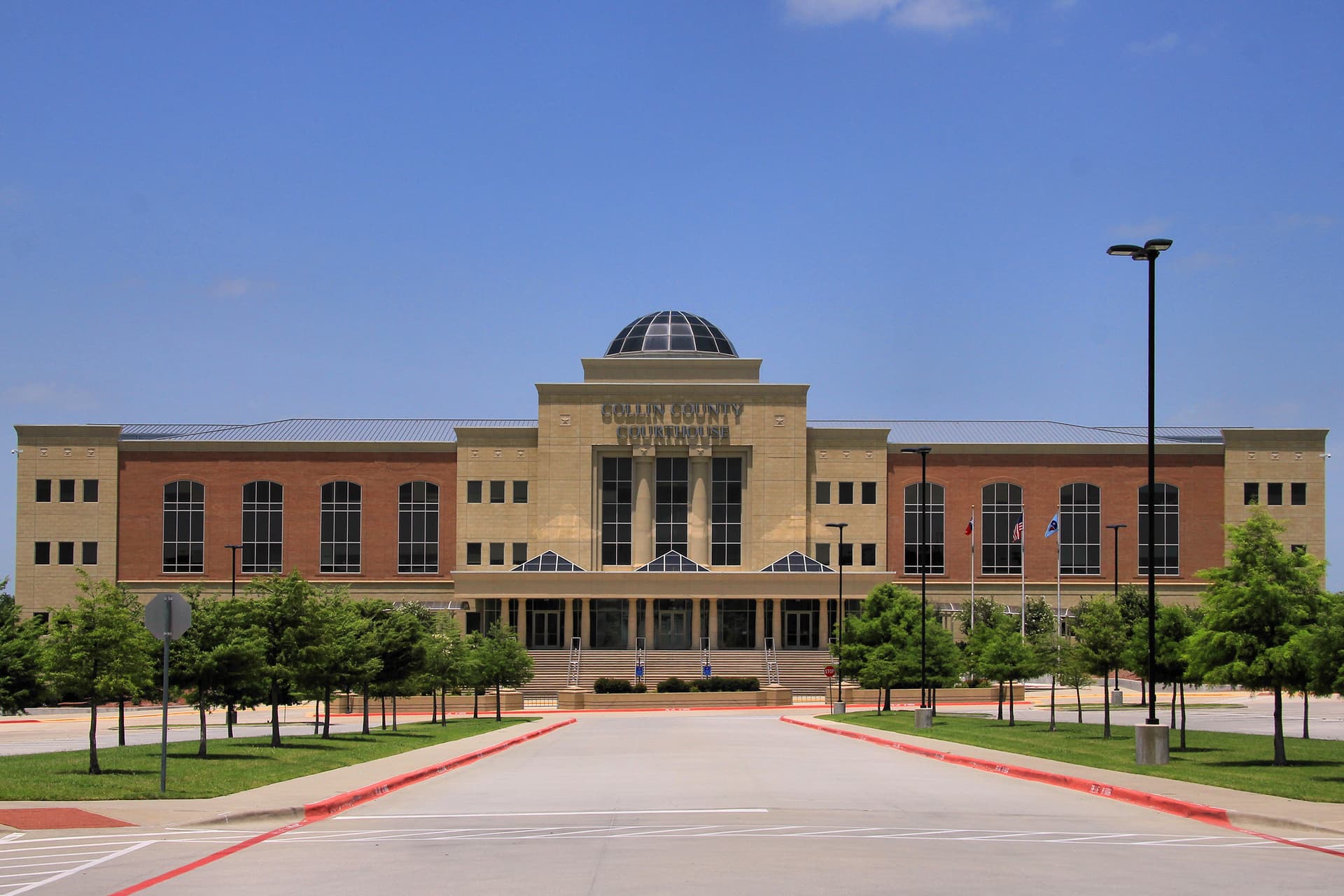
Allen approves $4.6 million wastewater pump station upgrades for aging lift stations
Allen is spending $4.6 million to replace 1999-era lift station equipment before a failure hits neighborhoods near Chandler Elementary and Stacy Road.
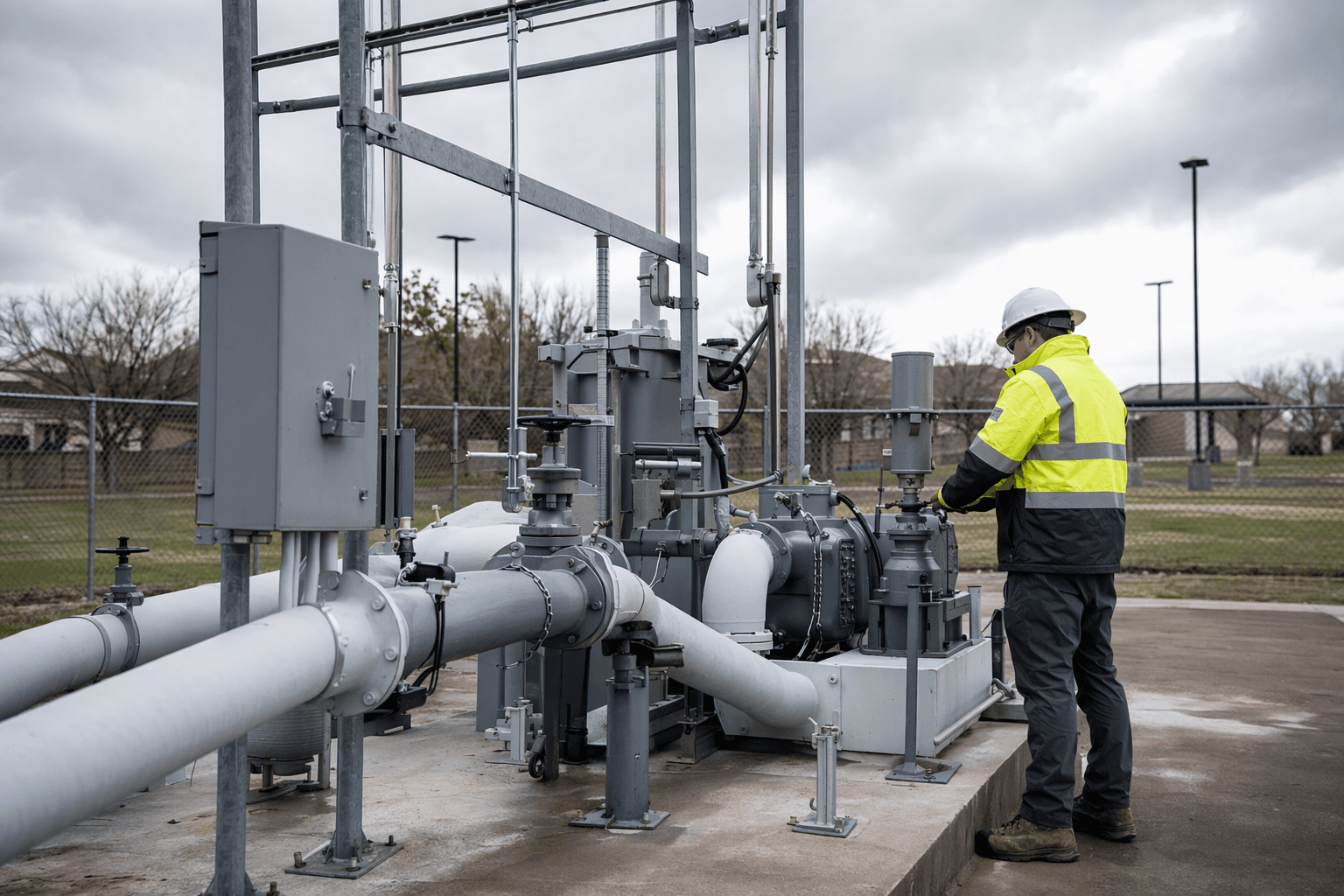
When a lift station fails, wastewater can back up fast, and Allen is moving to replace two of its oldest mechanical links in that chain before residents feel the consequences. City Council approved a $4.6 million contract with CLW Water Group for major work at the Maxwell Creek and Lost Creek lift stations, two facilities built in 1999 that city engineers say have outlasted their useful life.
The project is more than routine maintenance. Most of Allen’s sewage travels by gravity through underground pipes to the North Texas Municipal Water District, which treats the city’s wastewater near Lucas. Low-lying parts of the city depend on lift stations to pump sewage to higher ground, and those stations become critical when equipment ages. Allen says its sewer system includes six lift stations and more than 358 miles of pipe.
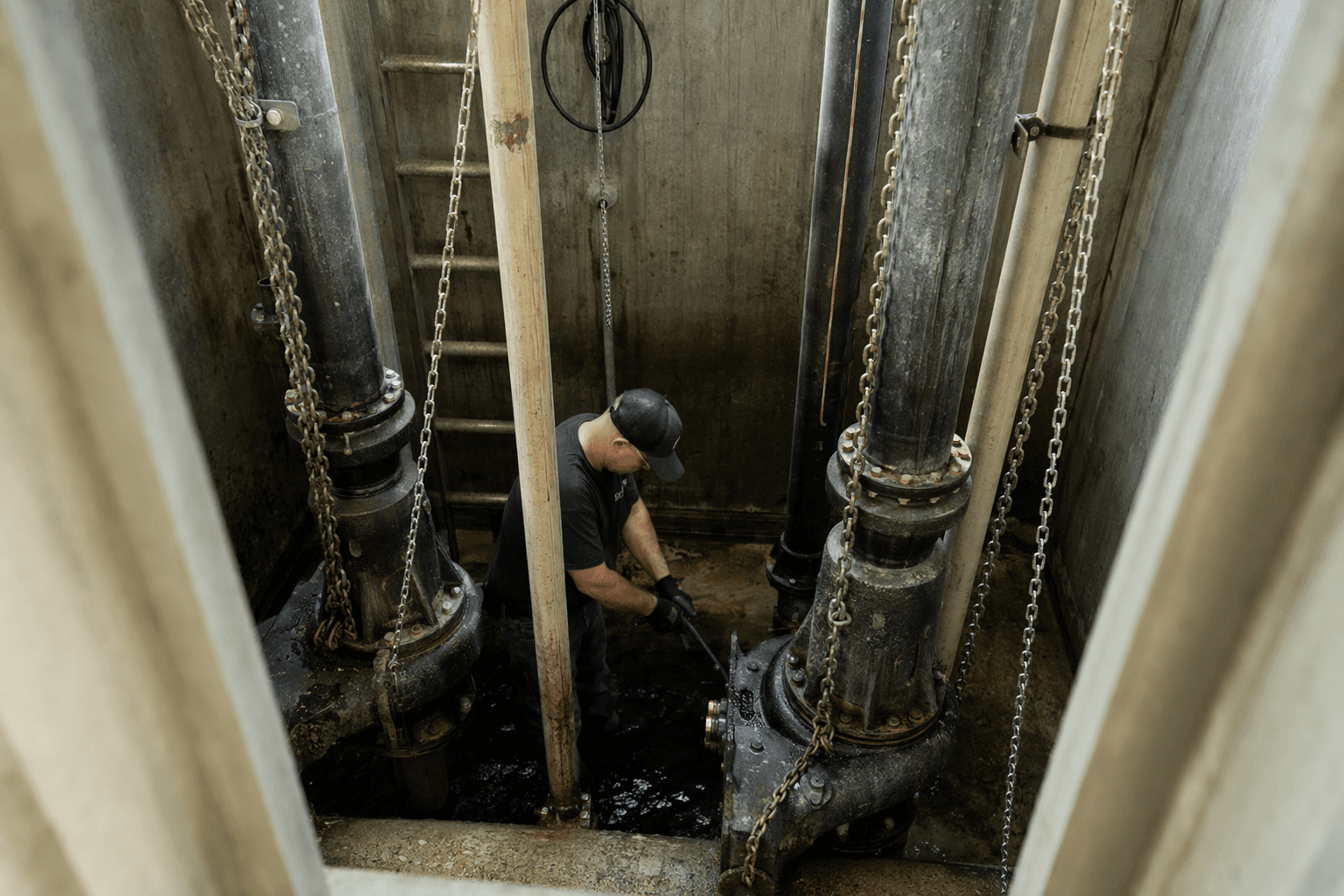
Director of Engineering Chris Flanigan said the useful life of the station and its associated equipment is about 20 years, a benchmark both sites have already surpassed. The city received one bid for the work. The base price came in at about $4.3 million, then rose to $4.6 million after a 7% contingency was added.
The Maxwell Creek Lift Station sits along Shelley Drive near Chandler Elementary School. The Lost Creek Lift Station is off Stacy Road just west of Lost Creek Drive. Construction is expected to begin in December and wrap up in May 2027, with Allen planning to pay cash for the project.
That spending comes as Allen keeps pressing ahead with growth-related utility needs in a city that listed its population at 109,039 in fiscal year 2021-2022. Wastewater systems have to stay ahead of new rooftops and new demand, or city leaders face higher odds of emergency repairs, odor complaints, backups and more expensive fixes later. For a fast-growing suburb, a lift station upgrade is not just a pipe-and-pump replacement. It is a bet that preventive work is cheaper than a system failure.
The city has already shown that approach elsewhere. In February, Allen approved a $710,500 design contract for rehabilitation of the Carter Court, Stacy Ridge and Summerside lift stations, another sign that late-1990s and early-2000s equipment is being pushed out across the system.
The timing also matters beyond Allen’s borders. North Texas Municipal Water District says it serves 24 communities and about 1.6 million residents, with a wastewater network that includes more than 240 miles of large-diameter pipelines, 23 lift stations and 11 treatment plants that convey and treat more than 163 million gallons a day. Allen’s latest upgrade is one more local piece of that regional system, aimed at keeping sewage moving before aging hardware turns into a public problem.
This article was produced by Prism’s automated news system from verified source data, official records, and press releases, then run through automated quality and moderation checks before publishing. The system is built and supervised by the people who set the standards it runs under. Read our full AI policy.
Did this article answer your question?