Big 12 spring meetings in Frisco spotlight playoff, NIL debates
Big 12 leaders met in Frisco as playoff, NIL and antitrust fights raised the stakes for a city that sells itself as a college sports headquarters.
Big 12 power brokers meeting in Frisco this week put Collin County in the middle of college sports business decisions that could shape where fans travel, where championships land and how much foot traffic flows through the city’s hotels and restaurants. The spring meetings are expected to center on College Football Playoff expansion, NIL regulation and potential antitrust protection, all of them issues with direct consequences for the league’s reach and for Frisco’s standing as a regular host.
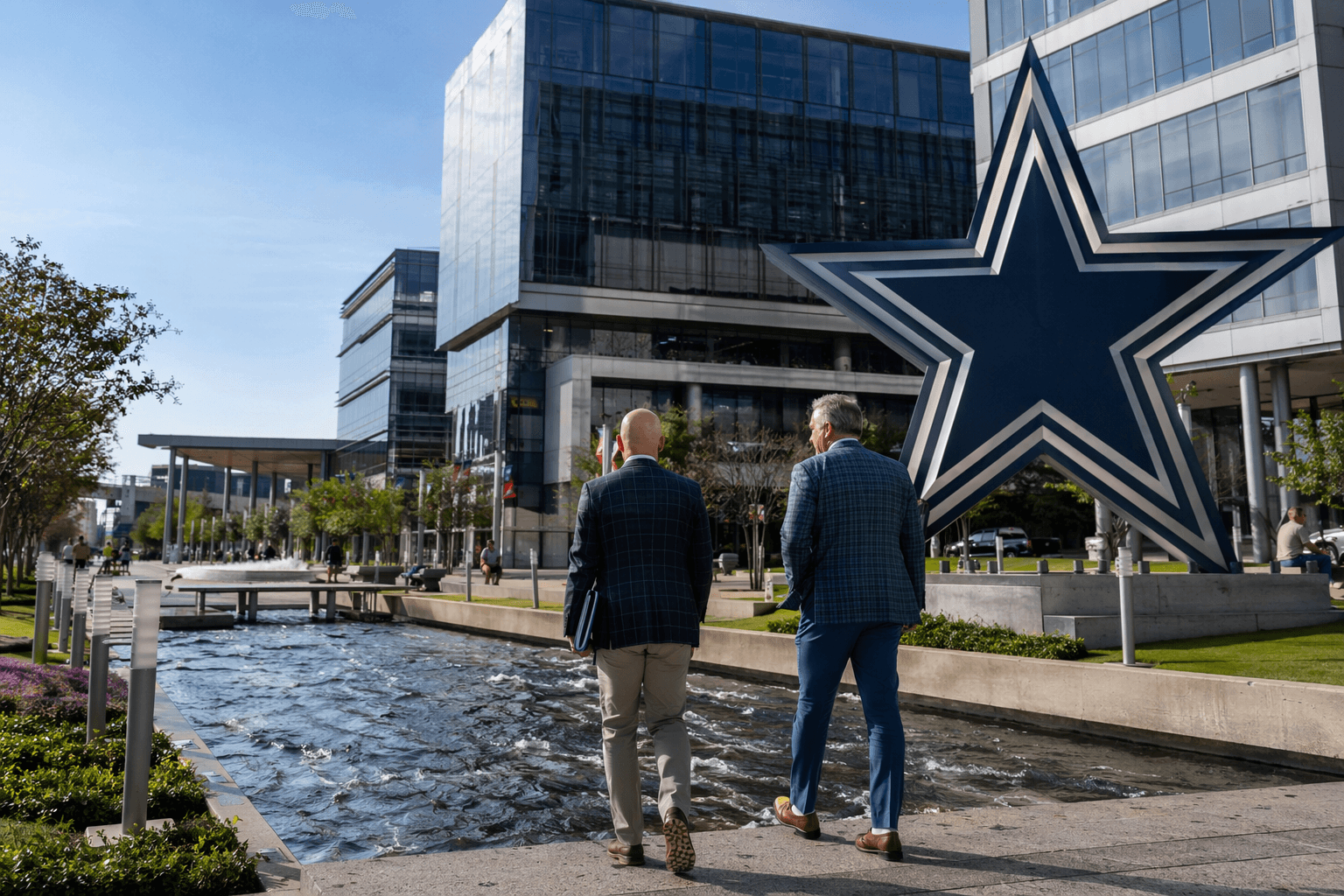
That matters here because Frisco has become a familiar stage for the Big 12. The conference has repeatedly used The Star and Ford Center at The Star for major events, including Football Media Days in 2017, 2018 and 2025. The league has already announced that Football Media Days will return to Ford Center at The Star on Tuesday, July 7, and Wednesday, July 8, 2026, with eight programs each day at the Dallas Cowboys’ headquarters.
The venue itself helps explain the appeal. The Star is a 91-acre campus that serves as the Dallas Cowboys World Headquarters and practice facility, and it was developed through a partnership between the City of Frisco and Frisco ISD. For a fast-growing city in Collin County, that kind of recurring national exposure reinforces a reputation that goes beyond football season: Frisco is now part of the college sports business map.
Big 12 commissioner Brett Yormark used the Frisco podium in 2025 to back a 5-plus-11 College Football Playoff model and to highlight the conference’s push for new sponsorships, licensing and storytelling opportunities. Those themes are likely to remain central as the league tries to protect its place against the richer Big Ten and SEC, where media money and playoff access shape competitive balance.
For North Texas, the payoff is partly symbolic and partly economic. Each time the Big 12 returns to Frisco, it sends coaches, administrators, media and staff into a city that has built its brand around sports, growth and business. If future playoff, scheduling or media-rights decisions send more league events toward North Texas, Frisco’s leverage only grows along with its profile.
This article was produced by Prism’s automated news system from verified source data, official records, and press releases, then run through automated quality and moderation checks before publishing. The system is built and supervised by the people who set the standards it runs under. Read our full AI policy.
Did this article answer your question?