Chestnut Square Historic Village brings Collin County history to life
Just south of downtown McKinney, Chestnut Square turns Collin County history into an hour-long, hands-on visit with tours, market days and living-history events.
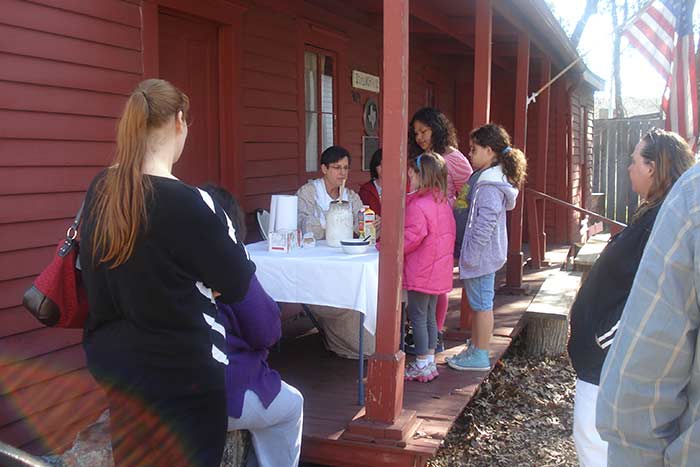
Chestnut Square Historic Village is one of the easiest ways to see McKinney’s past as something alive, not locked behind glass. Just south of Downtown McKinney Square at 315 S. Chestnut St., the 2.5-acre site packs in six historic homes, a replica one-room schoolhouse, a chapel and a store, giving families and newcomers a quick, concrete way to understand how Collin County grew.
What makes Chestnut Square worth the stop
The village works because it is built for movement, not just viewing. Guided tours, seasonal festivals, special events and living-history programming give the grounds a steady rhythm, so a visit can feel different from one month to the next. Tours typically begin at Dixie’s Store, also known as the Welcome Center, and last about an hour, which makes the site easy to fit into a day around downtown McKinney.
The homes are shown on a rotating schedule rather than all at once, which keeps repeat visits useful. That approach also gives the village a more active feel than a traditional museum, since visitors come back to see different structures, different stories and different seasonal programming. For a county that moves fast, that matters.

- Village tours are the best starting point for first-time visitors.
- The farmers market gives the grounds a regular community function, not just a historical one.
- Living History Day programming turns the site into something closer to an open classroom than a static display.
Why it resonates in a growing county
Chestnut Square reflects life in Collin County from 1854 through 1940, while the museum describes the preserved homes and buildings as reflecting life in North Texas from 1850 through 1940. That timeline gives visitors a sense of how the area moved from frontier settlement to a more established community. In a county where new subdivisions and commercial projects keep rising, the village offers something rare: a visible record of what came before.
That is part of why the site works so well for families and newcomers. It is accessible, compact and close to the square, so a history stop can be paired with shopping, coffee or dinner nearby. For longtime residents, the village is a reminder that McKinney’s identity did not begin with today’s growth boom. It was shaped by people, trades and households that still leave physical traces in the city’s center.

The preservation story behind the village
Chestnut Square is also a story about civic persistence. The preservation tradition began in 1973, when a group of women worked to save two historic homes from demolition. The village later marked 50 years of historic preservation efforts in McKinney, and that long timeline helps explain why the site feels rooted rather than decorative.
The organization says proceeds from its Holiday Tour of Homes help fund year-round care of the historic buildings, along with educational programs and the farmers market. That matters because preservation is not passive work. It requires money, attention and regular programming, especially when a historic site sits inside a fast-changing city. Chestnut Square has stayed relevant by treating preservation as community use, not just display.
The pandemic also pushed the organization toward digital innovation, including virtual tours. That adjustment helped broaden access at a time when many institutions were rethinking how to reach visitors, and it showed the site could adapt without losing its core mission.
What to look for on the grounds
The buildings themselves tell the story in pieces. Chestnut Square includes a blacksmith shop, smokehouse, reception house and reception gardens, along with the historic homes, chapel and store. Those structures point to everyday life, work and gathering, which is what gives the village its appeal. It is not trying to recreate one grand narrative. It shows how people actually lived.
One of the most notable structures is the Faires residence, which the museum identifies as the oldest house in McKinney. It is described as a Greek Revival home built on Tennessee Street, and Mr. Faires is identified as a blacksmith who came to Texas from Tennessee. That detail gives the village a human anchor. Instead of a generic heritage site, it becomes a place tied to a specific family, a trade and a migration story that fits the broader history of North Texas.

How to plan a visit
A simple visit works best when you treat Chestnut Square as part of a larger downtown outing. The site sits just south of the square, so it is easy to arrive, tour for about an hour and then head back into downtown McKinney. If you want the most active version of the village, aim for one of the recurring program days such as Village Tours, the Farmers Market or Living History Day.
The most practical way to think about Chestnut Square is this: it gives Collin County a place where history still does useful work. It teaches, gathers people, supports preservation and keeps McKinney’s older identity visible in the middle of rapid growth, which is exactly why it still matters.
This article was produced by Prism’s automated news system from verified source data, official records, and press releases, then run through automated quality and moderation checks before publishing. The system is built and supervised by the people who set the standards it runs under. Read our full AI policy.
Did this article answer your question?