Collin College adds medical, law enforcement, cosmetology programs in 2026
Collin College will add three workforce programs in fall 2026, giving students faster paths into medical labs, public safety and cosmetology jobs.
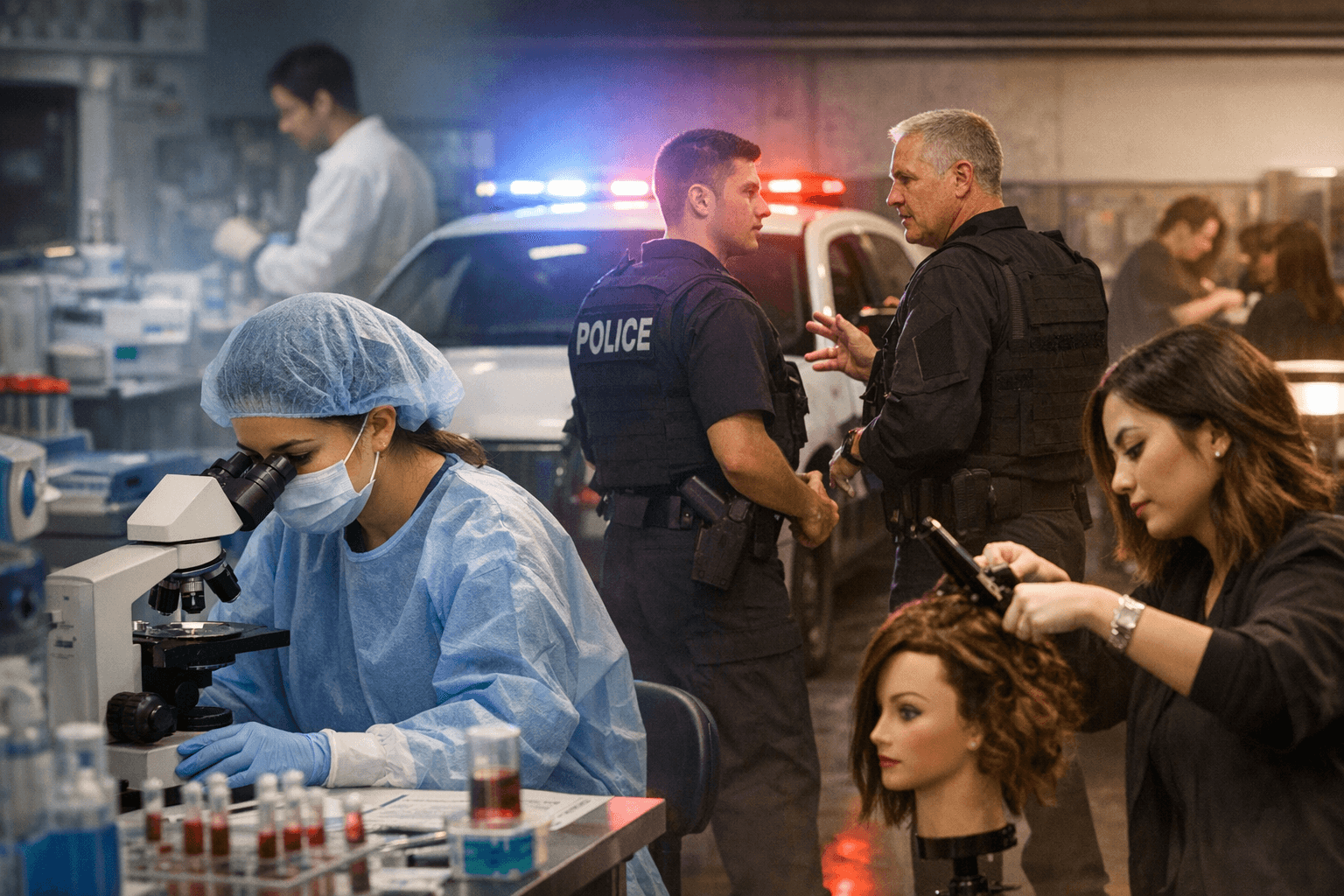
Collin College is opening three new career tracks in fall 2026 that are aimed squarely at jobs North Texas employers keep saying they need filled: medical laboratory technology, law enforcement with a public administration and supervision focus, and cosmetology.
The expansion matters in Collin County, where growth continues to strain the labor pool. The U.S. Census Bureau estimated the county’s population at 1,297,179 on July 1, 2025, up 21.7% since the 2020 Census base. That surge has raised demand for healthcare workers, public-safety employees and licensed service providers, the kinds of jobs these new programs are designed to feed.
Each program will offer both an Associate of Applied Science degree and a corresponding certificate, giving students a choice between a longer academic route and a quicker credentials-first path. Neil Matkin, Collin College District president, said the college is excited to offer new programs that align with the needs of the community and the changing job market.
The medical laboratory technology program is one of the clearest examples of that fit. The U.S. Bureau of Labor Statistics projects employment of clinical laboratory technologists and technicians will grow 2% from 2024 to 2034, with about 22,600 openings each year on average. The median annual wage for the occupation was $61,890 in May 2024, a figure that gives the field a solid earnings case for students who want a healthcare job without spending four years in a university classroom.
The law-enforcement program is built on existing police officer courses but goes further, with training in leadership, administration and community relations. That broader approach could help students move beyond entry-level field work into supervisory roles. The labor outlook is steady as well: the BLS projects 3% growth for police and detectives from 2024 to 2034, with about 62,200 openings per year on average, and a median annual wage of $77,270 in May 2024.
Cosmetology offers a different route to a paycheck, one with a built-in licensing path. Texas requires 1,000 hours of instruction at a licensed school before a student can apply for a cosmetology operator license, along with both a written and practical exam. Collin College says its program prepares students for that exam and also includes continuing education for already licensed cosmetologists.
The college serves about 60,000 credit and continuing education students a year and already offers more than 200 degrees and certificates. With its Public Safety Training Center in McKinney and a growing list of workforce programs, Collin College is leaning harder into the role many families in Collin County already expect from it: a lower-cost route from classroom to job.
This article was produced by Prism’s automated news system from verified source data, official records, and press releases, then run through automated quality and moderation checks before publishing. The system is built and supervised by the people who set the standards it runs under. Read our full AI policy.
Did this article answer your question?