Collin County grows more diverse as Asian population rises sharply
Frisco is now about 28% Asian as Collin County’s population climbs past 1.29 million, reshaping schools, housing, worship and daily language access.
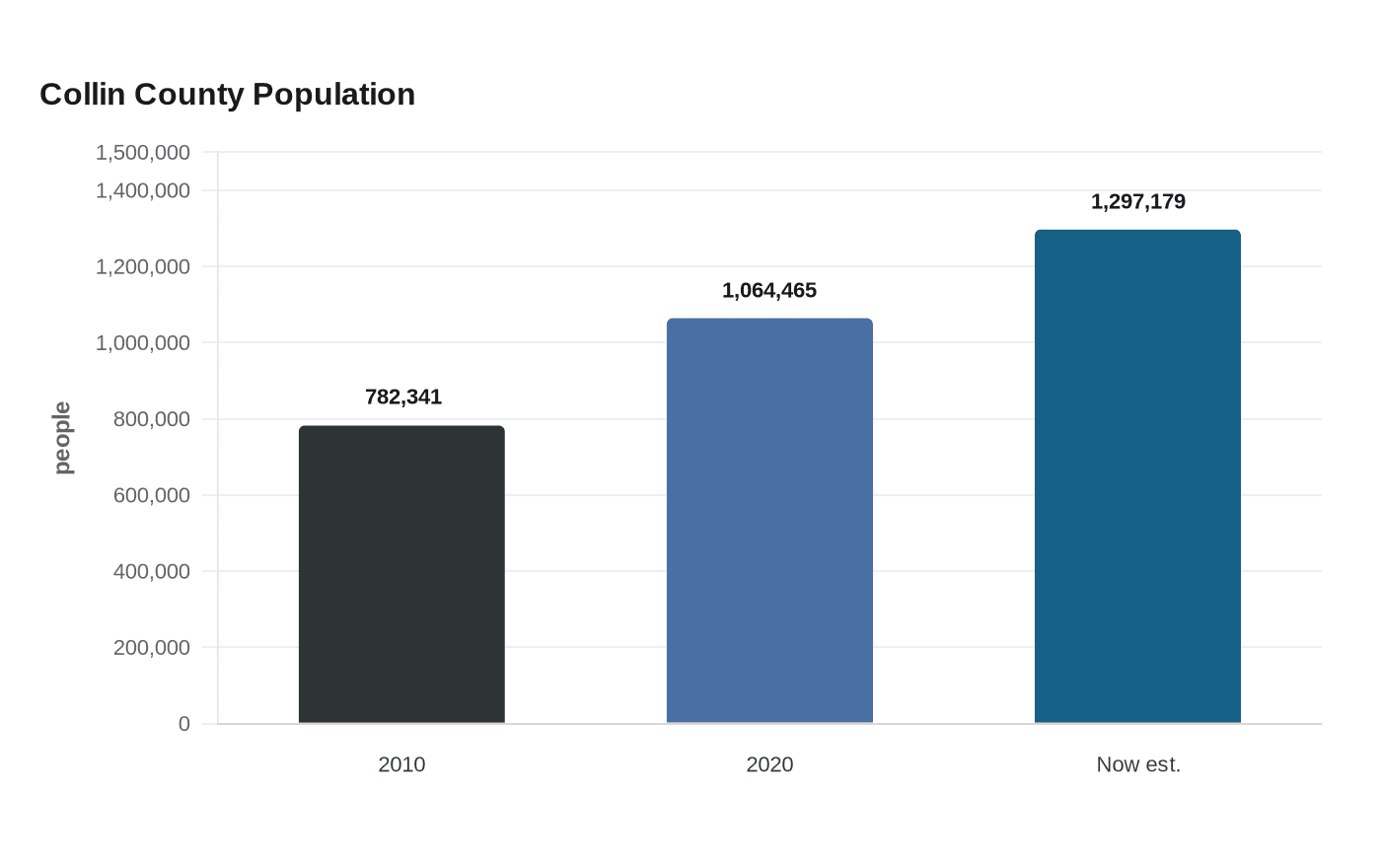
Frisco is now about 28.1% Asian, and the shift is showing up far beyond census tables. In Collin County, the change is even clearer: the Asian population rose from 11.5% in 2010 to 16.3% in 2020, while the county’s population climbed from 782,341 to 1,064,465 and is now estimated at 1,297,179.
That growth has altered the county’s daily rhythm in places where families live, shop and worship. The U.S. Census Bureau says 23.3% of Collin County residents were foreign-born in the 2020-2024 American Community Survey, and 31.2% of residents age 5 and older spoke a language other than English at home. With a median household income of $124,316 and a bachelor’s degree rate of 58.5%, Collin County’s demographic change is unfolding inside one of Texas’ most educated and affluent suburban economies.
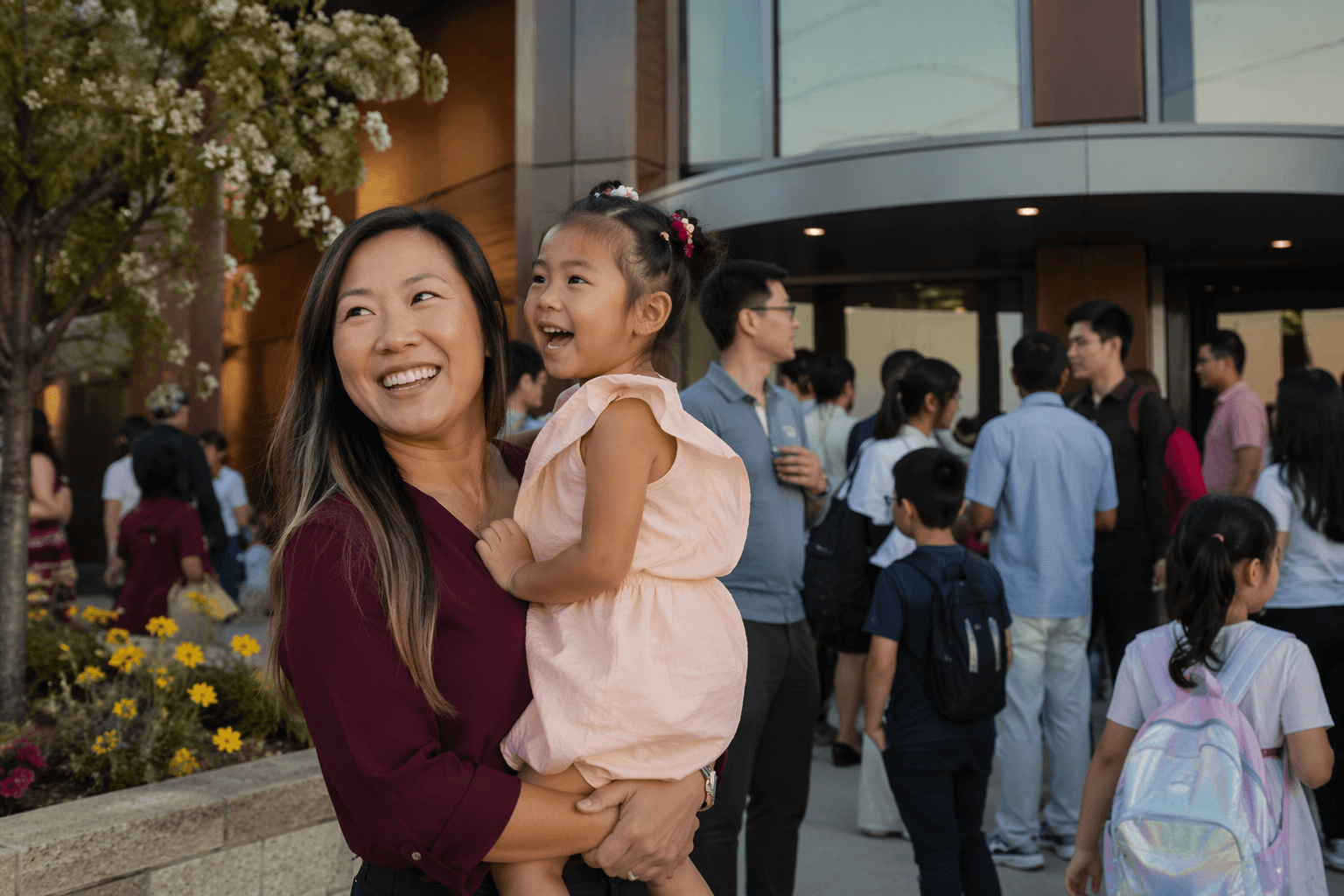
Frisco is the clearest case study. The city’s census-derived demographic profile puts it at roughly 28.1% Asian, a share that tracks with new subdivisions, crowded shopping centers and a retail mix built for a multilingual customer base. That also helps explain why housing demand, school enrollment and small-business growth have become inseparable from population change. In a city where more families are arriving from Asia and the Middle East, the practical issues are no longer abstract: where children are enrolled, which churches and mosques are filled, and what languages a front desk or clinic needs to handle every day.
Religious life has expanded with the same suburban pattern. Pew Research Center and the U.S. Mosque Survey counted 2,106 mosques in the United States in 2010 and 2,769 in 2020, a 31% increase. The growth has been driven by the expansion of the Muslim population through immigration and birth rate, and the average Friday prayer attendance at U.S. mosques rose from 353 in 2010 to 410 in 2020. That expansion is increasingly suburban, matching the geography of Collin County’s growth.
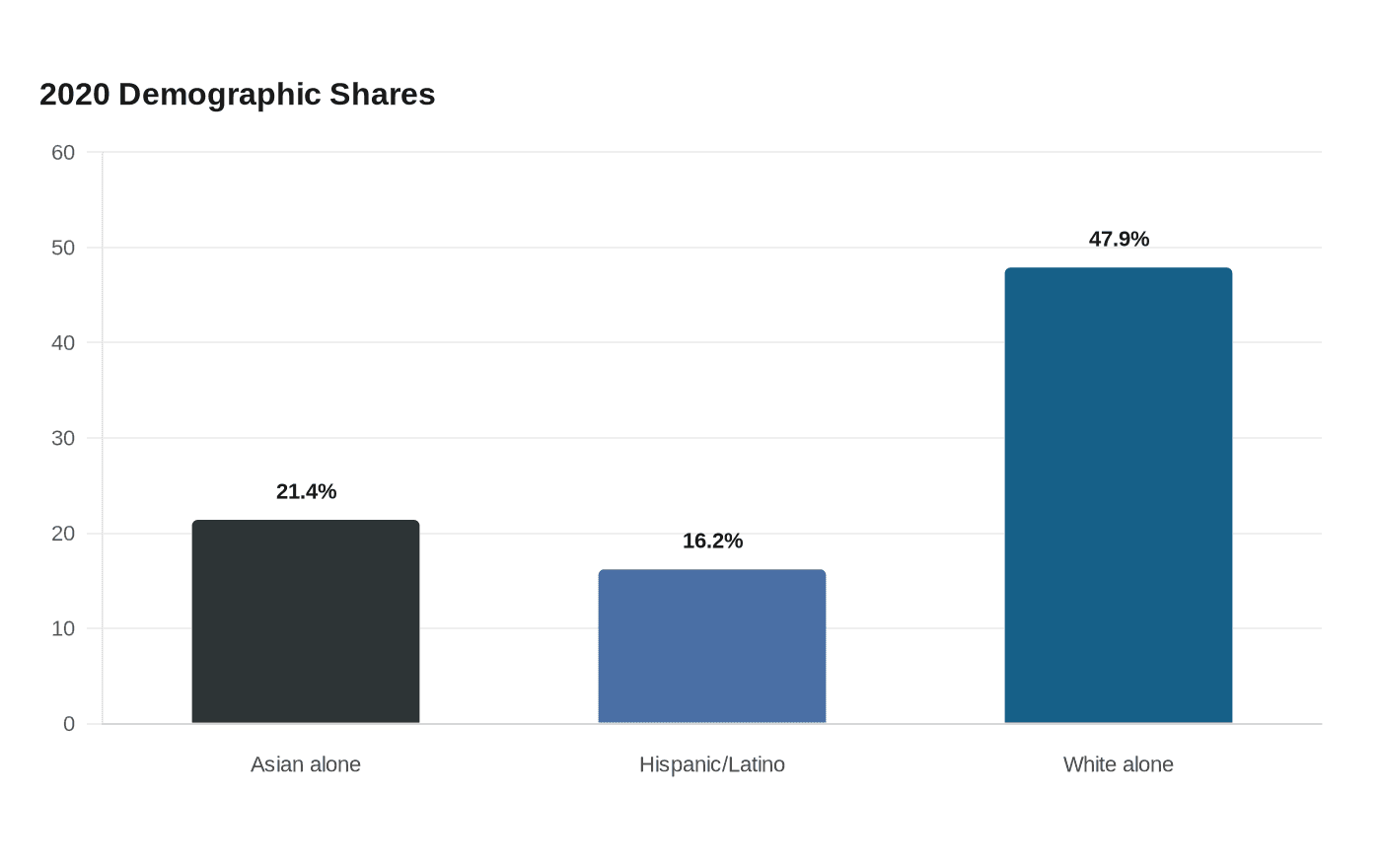
The county’s racial and ethnic balance has shifted quickly in a single decade. In 2020, Collin County was 21.4% Asian alone, 16.2% Hispanic or Latino and 47.9% White alone, not Hispanic or Latino. As more families move into Frisco, Plano, McKinney and the fast-growing suburbs in between, the result is a county where language access, school capacity, housing pressure and political influence are all changing at once.
This article was produced by Prism’s automated news system from verified source data, official records, and press releases, then run through automated quality and moderation checks before publishing. The system is built and supervised by the people who set the standards it runs under. Read our full AI policy.
Did this article answer your question?