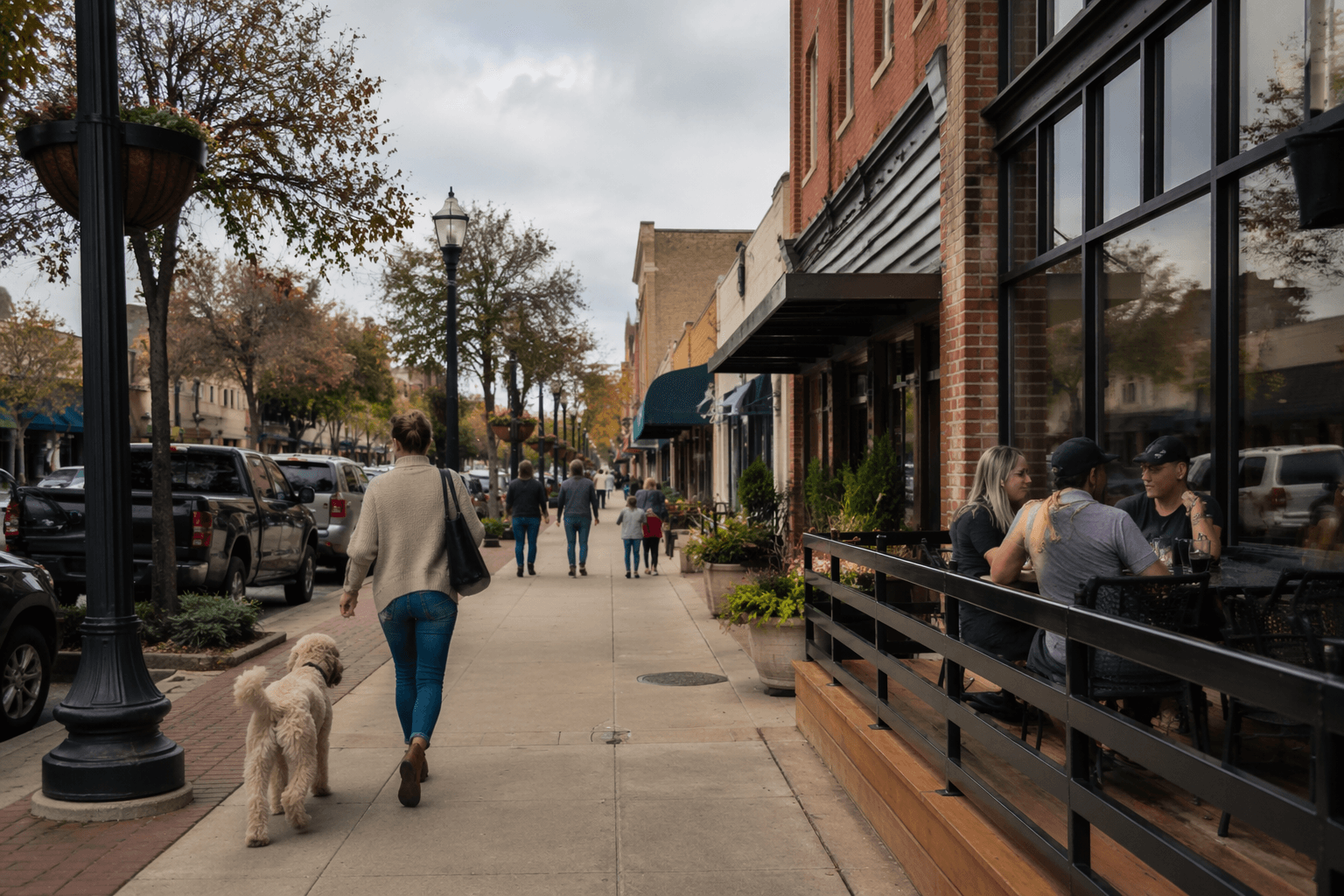
Collin County residents question new Texas law restricting foreign property purchases
Plano residents warned SB 17 could chill home sales, investor interest and business deals in fast-growth Collin County.

A Plano town hall quickly turned into a local real-estate stress test as residents and business professionals pressed lawmakers on whether Texas’ new foreign property law could slow sales, scare off investors and complicate deals in Collin County’s fast-growing market.
State Rep. Mihaela Plesa brought the discussion to Plano as part of her Mondays with Mihaela series, with State Rep. Gene Wu joining her to answer questions from residents, business owners and other community members. The central concern was not abstract politics but what SB 17 could mean for everyday transactions in North Texas, where new subdivisions, commercial sites and industrial projects continue to draw capital from inside and outside the United States.
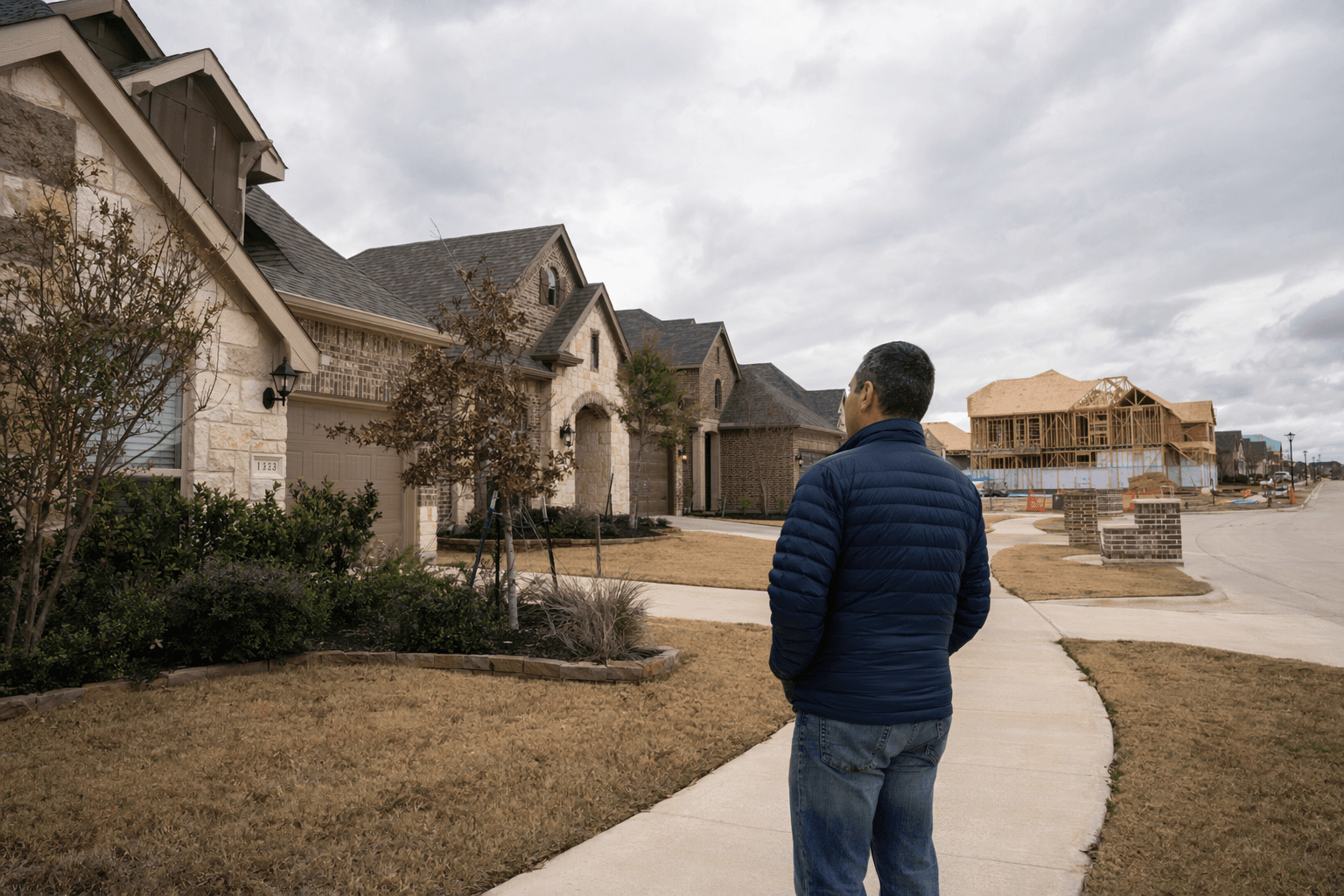
SB 17, authored by Sen. Lois Kolkhorst and signed by Gov. Greg Abbott in 2025, took effect Sept. 1, 2025. It restricts certain individuals, entities and governments tied to countries identified as national security concerns, including China, Russia, Iran and North Korea, from purchasing or acquiring interests in Texas real property. The law covers residential, agricultural, commercial and industrial property, along with certain leases. U.S. citizens and lawful permanent residents are exempt.
At the Collin County event, attendees raised fears that the law could discourage clients who are considering buying homes, opening businesses or investing in local land. That worry carries particular weight in a county where property development remains one of the region’s biggest economic engines, and where even a small slowdown in investor appetite could ripple through homebuilding, retail leasing and service-sector hiring.
Wu argued that SB 17 echoes earlier nationality-based land restrictions that were later repealed after federal civil-rights protections took hold. He also pointed to existing federal oversight through the Committee on Foreign Investment in the United States, which reviews some foreign purchases already. Supporters, including Lt. Gov. Dan Patrick, have said the measure is meant to block foreign adversaries from gaining access to land near military installations, critical infrastructure and agricultural resources.
The debate has sharpened beyond Collin County. The Texas House advanced the bill on May 8, 2025, and legal challenges followed, including a federal case filed by two Chinese citizens that was dismissed for lack of standing on Aug. 18, 2025. A later appellate ruling allowed the law to remain in effect while litigation continues.
For Collin County, the practical question is whether SB 17 protects land or complicates the kind of investment that has helped fuel the region’s growth. In a market built on speed, confidence and constant deal flow, even uncertainty can change who buys, who builds and who waits.
This article was produced by Prism’s automated news system from verified source data, official records, and press releases, then run through automated quality and moderation checks before publishing. The system is built and supervised by the people who set the standards it runs under. Read our full AI policy.
Did this article answer your question?