Collin County sets 2025 policy on utility districts, development growth
Collin County’s 2025 district policy gives commissioners an early say on MUDs and MMDs before new subdivisions lock in water, sewer and road costs.
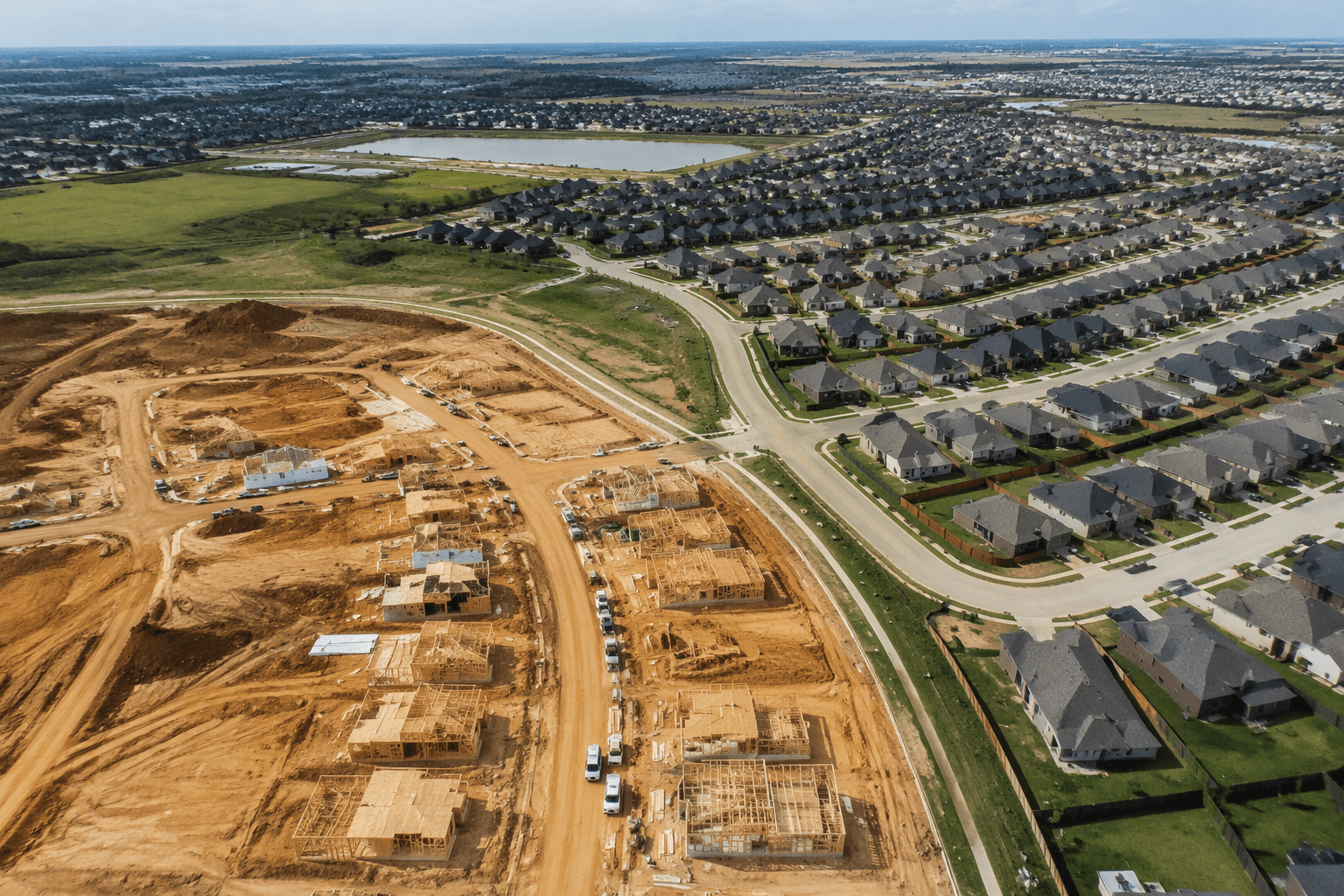
Collin County Commissioners Court adopted a 2025 policy on municipal utility districts and municipal management districts, giving county leaders a formal way to decide whether to oppose district bills before they move through the Texas Legislature. State statute requires commissioners to be notified of the intent to create a MUD or MMD before legislation is filed, a step that can shape how soon new neighborhood infrastructure gets funded and who pays for it.
MUDs and MMDs often sit underneath the water lines, sewer mains, drainage systems and roads that make a subdivision usable. A MUD is a state governmental entity that provides utility services to defined areas, including water, sewage, drainage, parks and roads, and is most commonly created as a water district. MUDs are independent, limited governments developers use to finance infrastructure such as water, sewer, drainage and road facilities. MMDs are used to support management and services in a district area. Those districts can issue bonds and use property tax revenues and user fees to repay debt, which means the financing structure can show up on tax bills long before streets feel finished.
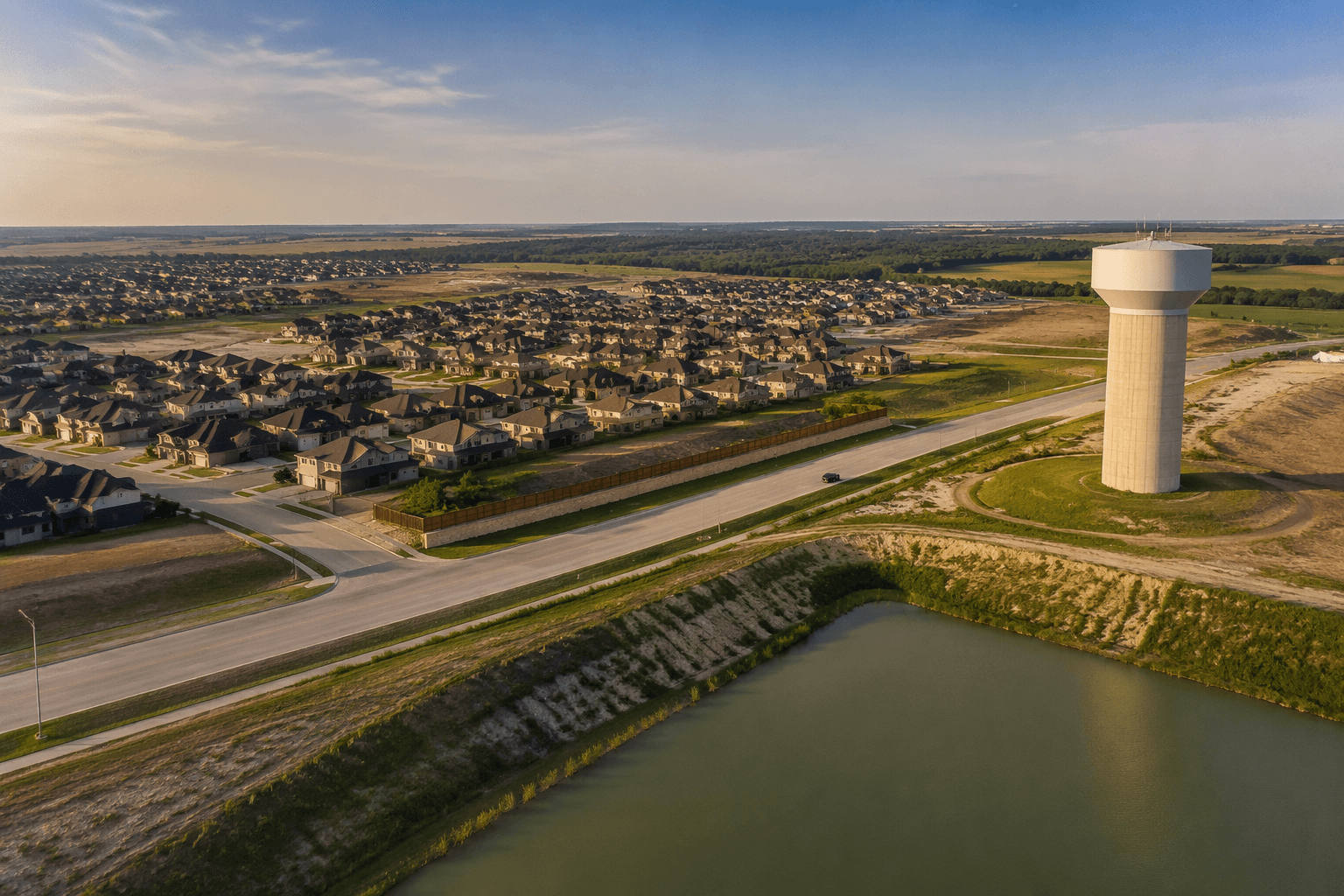
Collin County has long decided whether to oppose MUD or MMD bills filed at the Capitol. The 89th Texas Legislature began on Jan. 14, 2025, and by the county’s April 3 legislative memo lawmakers had been filing bills since November and thousands of bills had already been filed. District bills could move while the county was still weighing how a proposed development would affect nearby roads, services and future taxpayers.
Statehouse debate has centered on when counties get to review proposed districts. S.B. 2192 and H.B. 363 both focused on that timing. Under current law, the Texas Commission on Environmental Quality notifies a commissioners court after a petition to create certain MUDs is filed, and H.B. 363 sought to change that timing. Collin County’s policy puts the county in the conversation earlier, before the legislation is filed.
The City of Hutto has its own policy and procedures for MUDs, and McKinney maintains a special financing districts page. Texas County Progress included municipal utility districts in its June 2026 Resolution Spotlight.
This article was produced by Prism’s automated news system from verified source data, official records, and press releases, then run through automated quality and moderation checks before publishing. The system is built and supervised by the people who set the standards it runs under. Read our full AI policy.
Did this article answer your question?