Frisco hospitals expand trauma, maternal care and heart services
Frisco families now have more urgent care close to home, from labor triage on Lebanon Road to a new catheterization lab and added trauma capacity across the city.
A parent in labor on the west side of Frisco no longer has to wonder whether the closest safe option is across town. At Baylor Scott & White Medical Center-Centennial, urgent obstetric patients can be evaluated in a new triage unit with three rooms just steps from labor and delivery, while trauma patients and heart patients are finding more advanced care inside the city limits instead of farther away.
Pregnancy care that stays closer to home
Baylor Scott & White Medical Center-Centennial has become a major access point for expectant mothers because it is now Frisco’s first Level III maternal-care facility, the second-highest designation in Texas. The hospital, a 118-bed center at 12505 Lebanon Road, serves residents of Frisco, Collin County and Denton County, and its labor and delivery unit includes eight private birthing suites.
The new triage unit matters because it changes the first stop for urgent pregnancy concerns. Located adjacent to labor and delivery, the unit has three patient rooms equipped for advanced medical evaluation and treatment, which means some patients can be assessed faster without being sent elsewhere first. For families, that can mean shorter drives during contractions, less uncertainty in an emergency and fewer transfers out of town when time is tight.
The hospital also has a Level II NICU and a Level III trauma designation, giving it a broader emergency footprint than a standard community hospital. In a growing suburb where people now expect more than routine obstetrics, that combination helps fill a real gap: more complex maternal care can be handled locally, which is especially important for parents balancing work schedules, transportation limits and the cost of repeated trips to larger medical centers in Dallas or beyond.
Trauma and heart care are expanding together
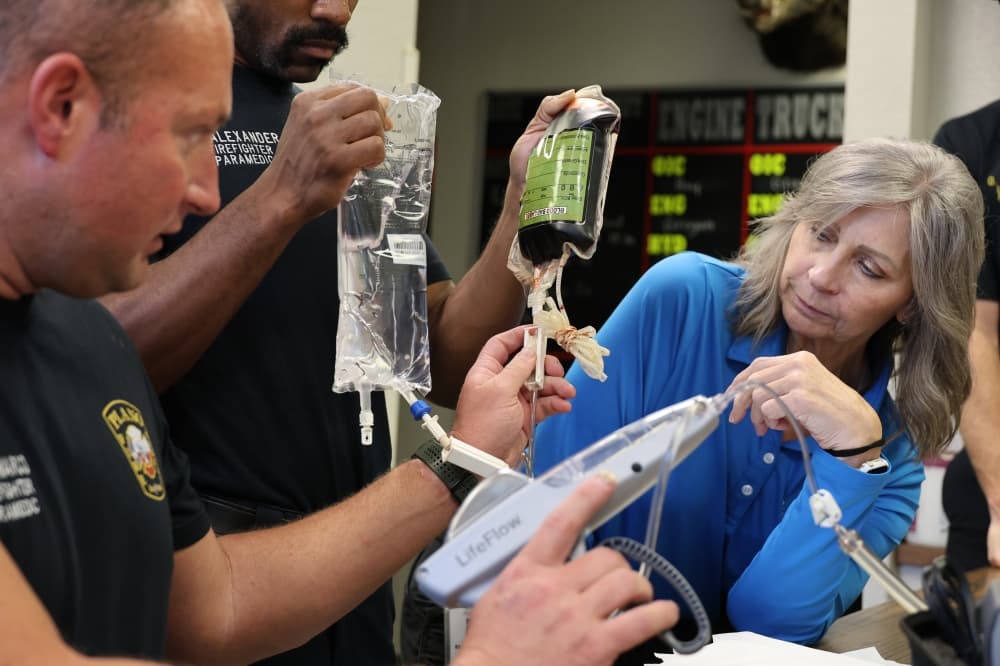
Texas Health Hospital Frisco is adding another layer of high-acuity care. The hospital says it is a Level III trauma center with 93 beds, 1,000 physicians and 300 nurses, and it opened its second catheterization lab on Aug. 19, 2025 to support its heart and vascular programs. That kind of expansion matters because heart emergencies are measured in minutes, not miles, and a second cath lab can reduce bottlenecks when more than one patient needs urgent intervention.
The hospital’s relationship with UT Southwestern also deepens the local specialty network. Texas Health says the collaboration and its open medical staff model bring together community physicians and UT Southwestern faculty, which can widen access to advanced expertise without forcing patients to leave Frisco first. For patients who already have local doctors they trust, that kind of structure can make it easier to stay in one system for diagnosis, procedures and follow-up.
This is where the city’s hospital growth becomes a public health issue, not just a development story. Trauma care, cardiac intervention and specialty medicine are only meaningful if people can reach them quickly and if beds, doctors and nurses are available when demand spikes. In a city as fast-moving as Frisco, a second cath lab and more trauma capacity are not luxury upgrades. They are part of the basic infrastructure of safety.
A growing hospital network for a fast-growing city
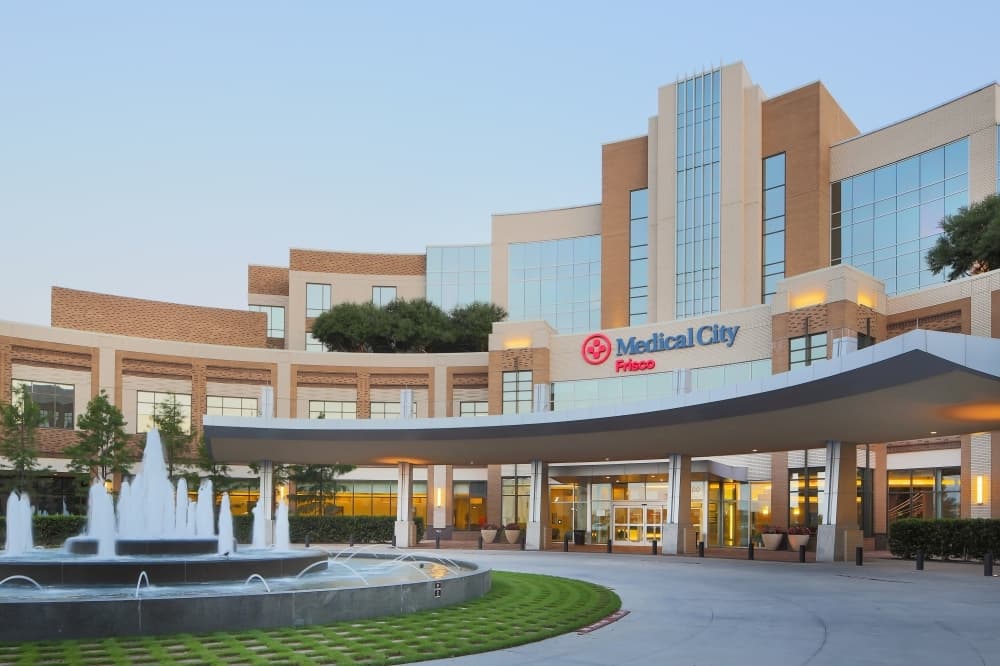
Medical City Frisco adds another indicator of how much demand is building. The hospital marked 10 years of service this spring and reported 1,487 babies delivered and 6,626 surgeries performed in 2025. Those numbers show that Frisco’s hospitals are not just preparing for growth. They are already treating a heavy volume of births and operations that reflect a young, expanding population.
Baylor Scott & White’s newer Frisco at PGA Parkway campus adds a different kind of capacity. The 40-acre site includes more than two miles of trails and communal green space, reflecting a more campus-like approach to health care that tries to make the environment feel less clinical and more connected to the surrounding neighborhood. Baylor Scott & White has described the project as one of its largest capital commitments, and the campus was designed around inpatient care, comprehensive emergency care, surgical services, specialized care and extensive women’s services.
That broader buildout matters because access is not just about one hospital having one more room. It is about a network with enough redundancy that a parent in labor, a trauma patient or someone with a cardiac emergency has more than one local option. In practical terms, that can reduce the need to cross town, cross county lines or wait while records and transfers move between facilities.
Who gains access now, and what still needs to catch up
The clearest winners are families who need urgent care and want to stay in Frisco if they can. That includes expectant mothers who now have a Level III maternal-care option at Centennial, patients who may need trauma-level care at either Centennial or Texas Health Hospital Frisco, and people facing cardiac procedures who benefit from a second catheterization lab close to home. It also includes families from nearby parts of Collin County and Denton County who can use these hospitals without turning a medical emergency into a long regional drive.
The remaining challenge is keeping pace with the city itself. Frisco’s population grew from 200,509 in the 2020 Census to an estimated 236,955 on July 1, 2025, and then to 247,660 by May 31, 2026. That kind of growth creates pressure on every bed, every triage room and every specialist schedule, especially as more babies are born and more older residents need heart and emergency care.
Frisco’s hospital market is maturing in a way that directly affects daily life. The city now has more places to deliver a baby, treat a trauma, open an artery or handle a surgical need without leaving town first. For a suburb that has outgrown its old image as a bedroom community, the real test is whether that growth in health care keeps moving as fast as the people who depend on it.
This article was produced by Prism’s automated news system from verified source data, official records, and press releases, then run through automated quality and moderation checks before publishing. The system is built and supervised by the people who set the standards it runs under. Read our full AI policy.
Know something we missed? Have a correction or additional information?
Submit a Tip