Frisco ranks No. 9 nationally in U.S. News best places to live
Frisco landed No. 9 nationally, but its $627,426 median home value and $1,756 rent show why growth is testing the city’s appeal.

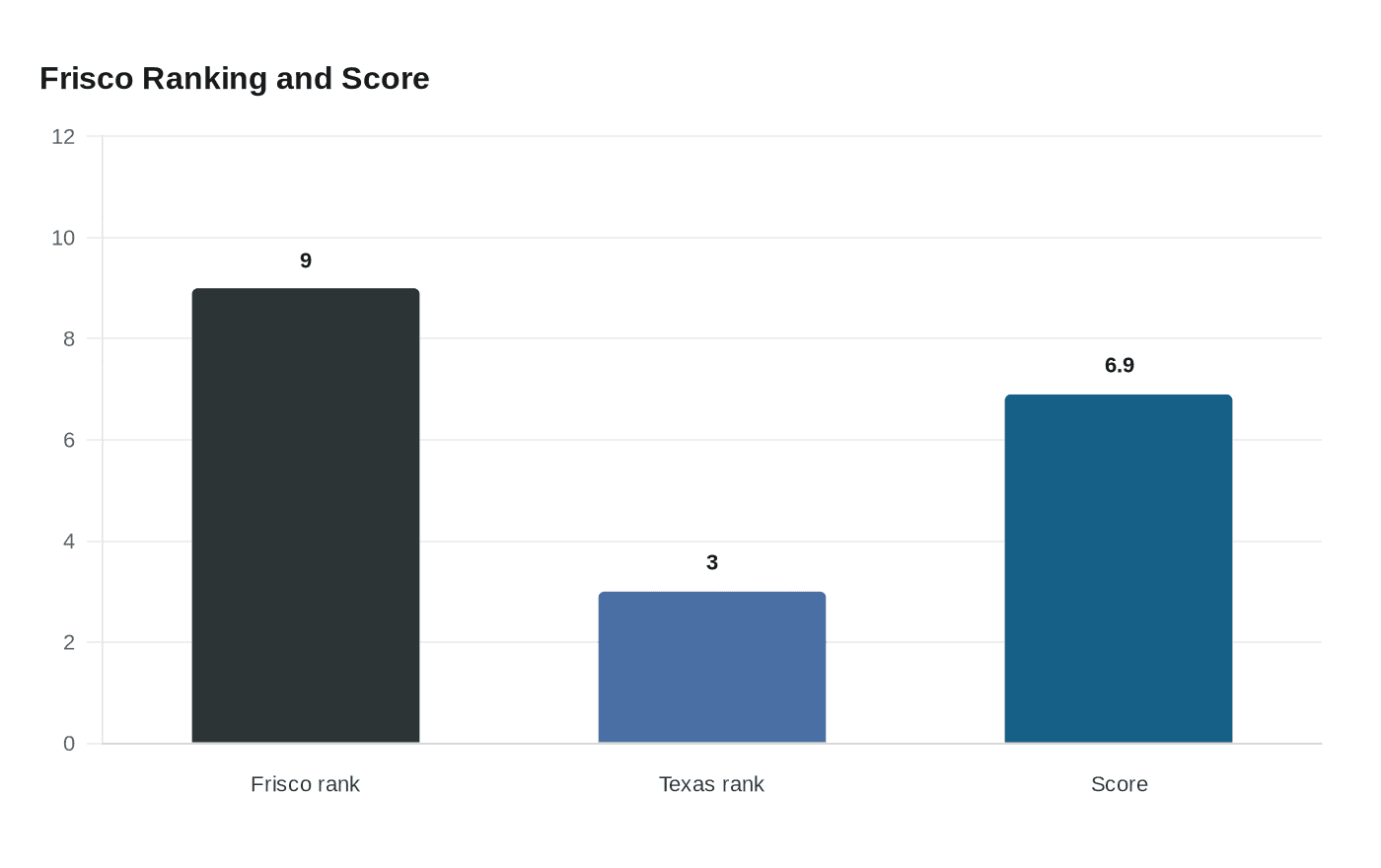
Frisco climbed to No. 9 in the nation and No. 3 in Texas in U.S. News & World Report’s 2026-2027 Best Places to Live rankings, a showing that keeps Collin County squarely in the middle of the state’s suburban success story. Texas cities claimed 10 of the top 25 spots, with Flower Mound at No. 3 nationally and Leander at No. 8, while Carmel, Indiana, took the top overall position.
The rankings were built from four measures: value, desirability, job market and quality of life. Frisco’s published score was 6.9. The city’s profile in the ranking also shows why its appeal comes with a price tag: a population of 229,028, an average commute of 26 minutes, a median home value of $627,426, median monthly rent of $1,756 and median household income of $152,749.
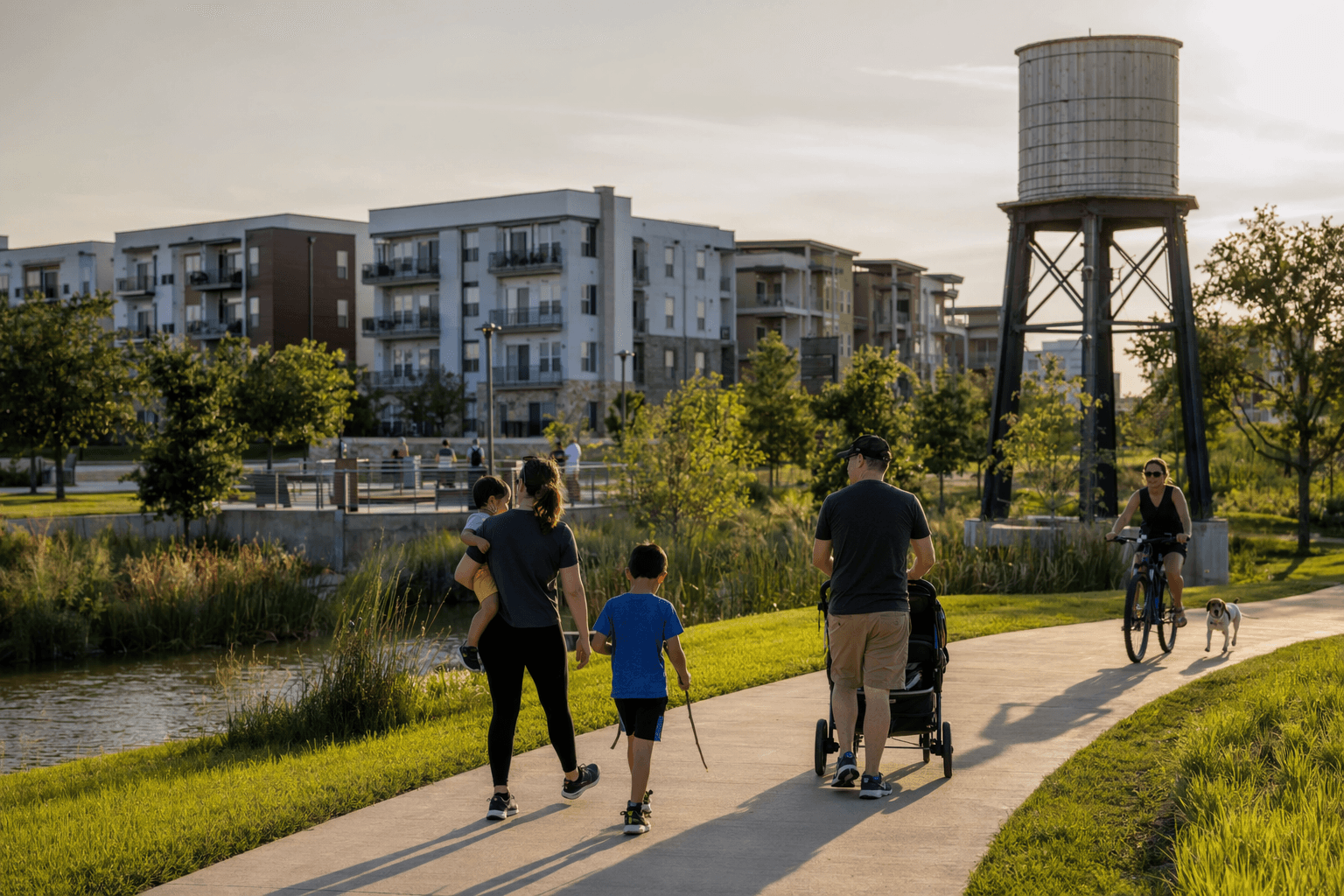
Those numbers help explain Frisco’s reputation, but they also expose the pressure points that come with rapid growth. A city that can still market itself as one of the country’s best places to live is also a place where housing costs are high enough to reshape who can buy in, rent in or stay in the market. The commute figure suggests that even in a city built around master-planned development and major employment corridors, daily travel remains part of the bargain.
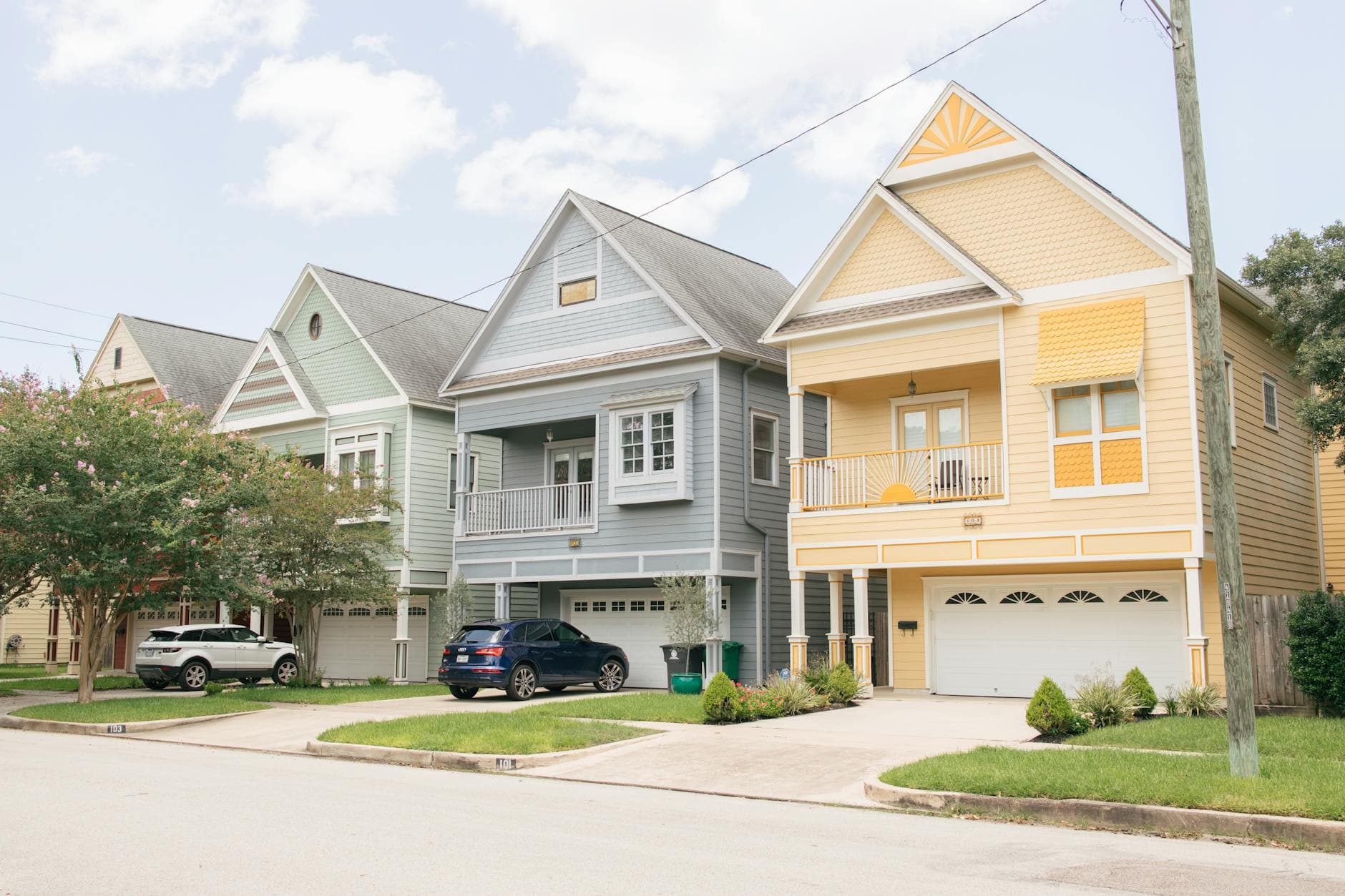
Frisco’s ranking also lands in a broader North Texas context. The area continues to draw national attention for schools, family life and overall livability, and Frisco has long been treated as one of the region’s benchmark suburbs. The new ranking reinforces that image, but it also serves as a reality check: national praise does not erase traffic, crowded campuses or the affordability squeeze that often follows success.
U.S. News said 69 Texas cities made the 250-city national list, a sign that the state’s suburban brand remains strong from Collin County into the rest of North Texas. For Frisco, the challenge now is not whether it can attract attention. It is whether the quality-of-life case that put it on the map can hold up as more people move in and the costs of living keep rising.
Know something we missed? Have a correction or additional information?
Submit a Tip