How Buckner became Collin County’s first seat before McKinney
Buckner, not McKinney, was Collin County’s first seat. A distance rule, a flawed election, and a fast move of records and residents made McKinney the county’s civic center.
Buckner was Collin County’s first county seat, and the reason it lost that status still explains why McKinney became the county’s government center. The shift was not a romantic accident of growth. It came from a legal requirement tied to the county’s physical center, a disputed election, and a rapid relocation of people, mail, and public business that residents can still trace in the county’s place names and land records.
A county born with a tiny population
Collin County was created on April 3, 1846, out of Fannin County and named for Collin McKinney, an early settler and signer of the Texas Declaration of Independence. At the time, the county’s estimated population was only about 150, which made the speed of settlement and local government formation unusually sharp. Even before McKinney emerged as the long-term seat, county leaders were trying to organize a public center in a landscape that was still largely frontier country.
The Texas Legislature tied that process to geography. The law required county-seat candidates to be within three miles of the county center, a rule that mattered more in an empty county than it would later in a crowded one. That distance requirement is the key to understanding why Buckner could win first and still lose the county seat two years later.
How Buckner began
Buckner started in the early 1840s, before the county itself existed. John McGarrah arrived from Arkansas, claimed a 640-acre headright, opened a trading post, and donated 50 acres for a townsite. A blacksmith shop later appeared near the store, giving the place the practical core that frontier settlements needed to survive.
On July 4, 1846, about 75 people gathered, likely at McGarrah’s store, and selected Buckner as the county seat. A post office opened there that same year, reinforcing the idea that Buckner was becoming the administrative and commercial center of the new county. In those early months, Buckner was not just a dot on a map. It was where mail arrived, where goods changed hands, and where county business could begin to take shape.
Why the seat moved to McKinney
The first county-seat process did not satisfy the law. Two sites had not been offered to voters in the 1846 election, and Buckner still was not within three miles of the county center. That flaw led the Texas Legislature to call for a new election in 1848.
McKinney, which sat three miles southeast of Buckner, won that contest by a vote of ten to one in a TSHA-derived account. The move was fast once it happened. Mail to Buckner stopped in May 1848, residents and businesses relocated to McKinney within a year, and by the early 1850s Buckner was deserted.
The county’s own history adds an important detail that helps explain how quickly McKinney could absorb the seat of government. McKinney’s townsite was not donated and platted until the year after it became county seat. In other words, the county seat moved before the town was fully laid out in formal terms. That made the transfer less about an established city winning out over a rival and more about a legal and geographic decision creating the future civic center almost in real time.
What residents still see in the county’s geography
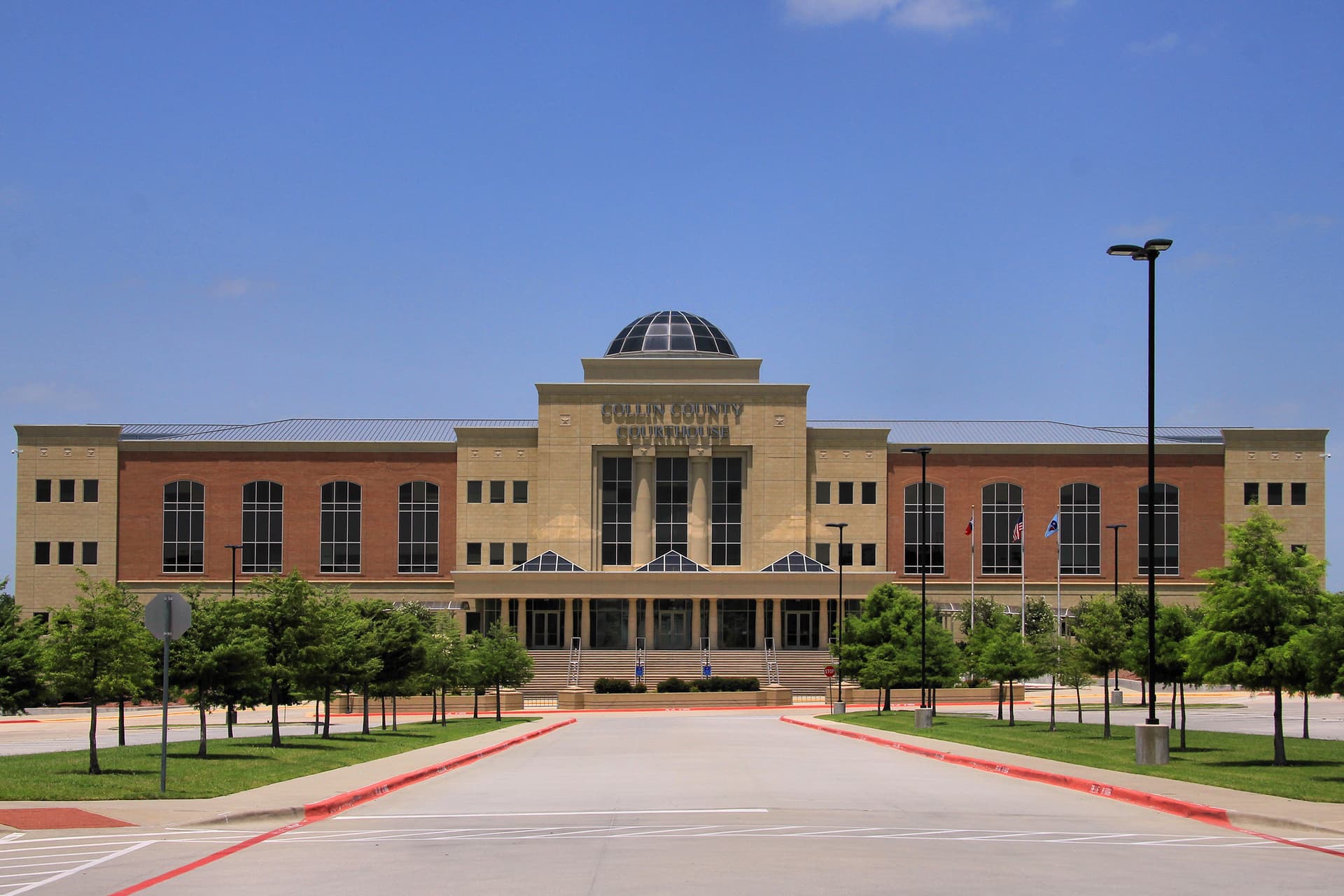
The Buckner-to-McKinney move still shapes the county’s civic map. Local government sits in McKinney because the county seat settled there after officials determined that Buckner was not at the physical center of the county. That decision left a paper trail in land records, townsite platting, and the county’s own historical explanations for why public business is where it is today.
It also left a place-name trail. Buckner survives as a historical reference to the original county seat, while McKinney became the name most closely tied to county administration and public authority. Collin McKinney’s name is attached to the county itself, John McGarrah’s name is tied to the first settlement attempt, and the county seat dispute links both men to the shape of the county’s future.
The story also helps explain Collin County’s later geographic shifts. By the mid-1980s, Plano had overtaken McKinney as the county’s commercial, financial, and educational center. That does not erase McKinney’s role as the seat of government, but it shows how the county’s center of gravity kept moving as roads, suburbs, and economic growth transformed what had once been a sparse frontier county into one of North Texas’s most dynamic places.
Why Buckner matters now
Buckner is more than an abandoned first seat. It is the reason Collin County’s civic geography looks the way it does, and the reason McKinney became the place where county government, records, and public authority concentrated. The county began with a settlement on the northwest side of its early map, but a legal rule about distance from the center shifted power southeast and set McKinney on the path to becoming the county’s enduring administrative heart.
This article was produced by Prism’s automated news system from verified source data, official records, and press releases, then run through automated quality and moderation checks before publishing. The system is built and supervised by the people who set the standards it runs under. Read our full AI policy.
Did this article answer your question?