Local groups expand summer food aid for Wylie families
As school cafeterias closed, Wylie groups moved to feed about 500 people a week, with lunches, food bags and drive-up pickups filling the summer gap.
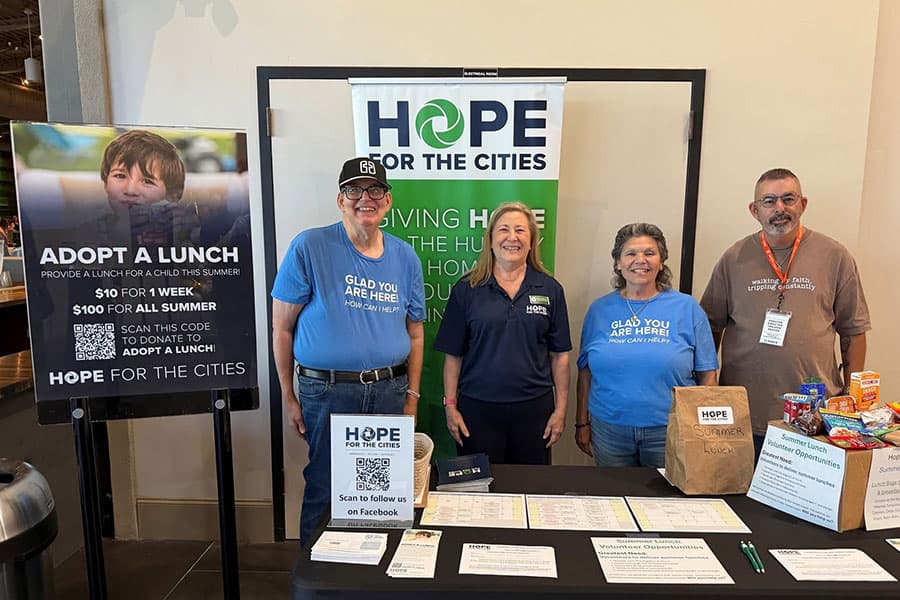
When school cafeterias shut down for summer, Wylie families lost two reliable meals a day and local nonprofits moved quickly to replace them. Hope for the Cities began weekly summer lunches June 15 for families in Wylie ISD and Community ISD, building a network of food help that was meant to hold steady through the months when students are home.
Volunteers packed lunches each Thursday and delivered them every Monday, a rhythm designed to keep food flowing even for households that could not wait until the next pantry visit. Hope for the Cities planned to feed about 500 people each week, while continuing its doorstep food box deliveries. Families also could pick up food each Monday from 10:30 a.m. to noon near the entrance of Smith Public Library, giving parents a regular window to collect meals without adding another complicated stop to the week.

The effort stretched beyond one organization. In Sachse, 5 Loaves Ministries ran a Stars, Stripes & Cereal Drive through July 6, a reminder that summer hunger is not limited to lunch and dinner alone. At the Wylie Community Christian Care Center, donations were being collected not just for food but for hygiene supplies as well, including shampoo, soap, toothpaste, deodorant, diapers and baby wipes. That mix of requests showed how quickly a household’s needs widen once school support disappears.
Amazing Grace Food Pantry kept its Food 4 Kids work going, delivering weekend food bags and serving roughly 500 food bags each week to families who visited the pantry. Executive Director Jon Bailey said the effort was also meant to connect families with food pantries and other community services, turning short-term meals into a doorway to longer-term help.

Together, the groups showed how much of Collin County’s summer safety net depends on volunteers, donations and coordinated distribution. As school breakfasts and lunches vanish for the season, the pressure shifts to churches, pantries and neighborhood organizations to keep children fed and household budgets from breaking under the cost of another week without cafeteria meals.
This article was produced by Prism’s automated news system from verified source data, official records, and press releases, then run through automated quality and moderation checks before publishing. The system is built and supervised by the people who set the standards it runs under. Read our full AI policy.
Did this article answer your question?