McKinney expands TIRZ for planned mixed-use development near Cotton Mill
McKinney added 15.7 acres near the Cotton Mill to a tax district, betting public dollars can unlock a project with more than 1,100 apartments, offices and retail.
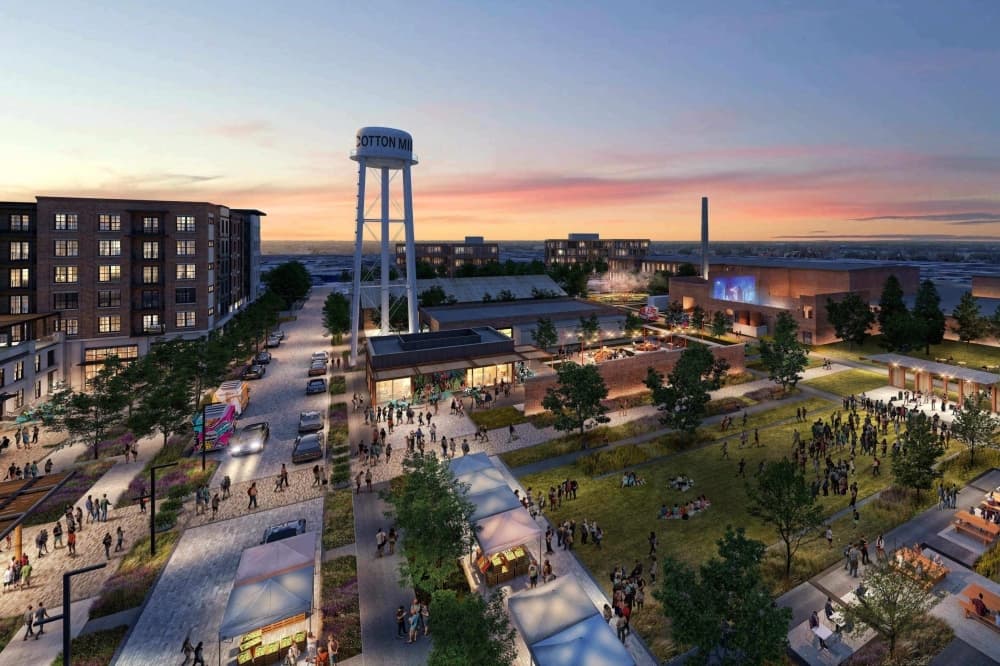
McKinney is widening the reach of its main redevelopment tool to help turn a long-vacant corner of east McKinney into a major mixed-use district near the Cotton Mill. The City Council voted 6-1 to add 15.7 acres to Tax Increment Reinvestment Zone No. 1, opening the door for city-backed infrastructure spending tied to the planned Presidium Cotton Mill project.
The move is the first applicant-initiated boundary change for the zone since McKinney created it in 2010. Cotton Mill Partners and Presidium Cotton Mill asked to be folded into the district so the city can help pay for infrastructure needed to support the development south of the historic Cotton Mill site.
What McKinney gets for that subsidy is a chance to make a difficult site viable. The broader project could bring more than 1,100 multifamily units, along with office and retail space, creating one of the most consequential redevelopment efforts now taking shape in east McKinney. If it advances as planned, the project would add housing near an important corridor, expand neighborhood retail options and change the traffic pattern around one of the city’s best-known landmarks.
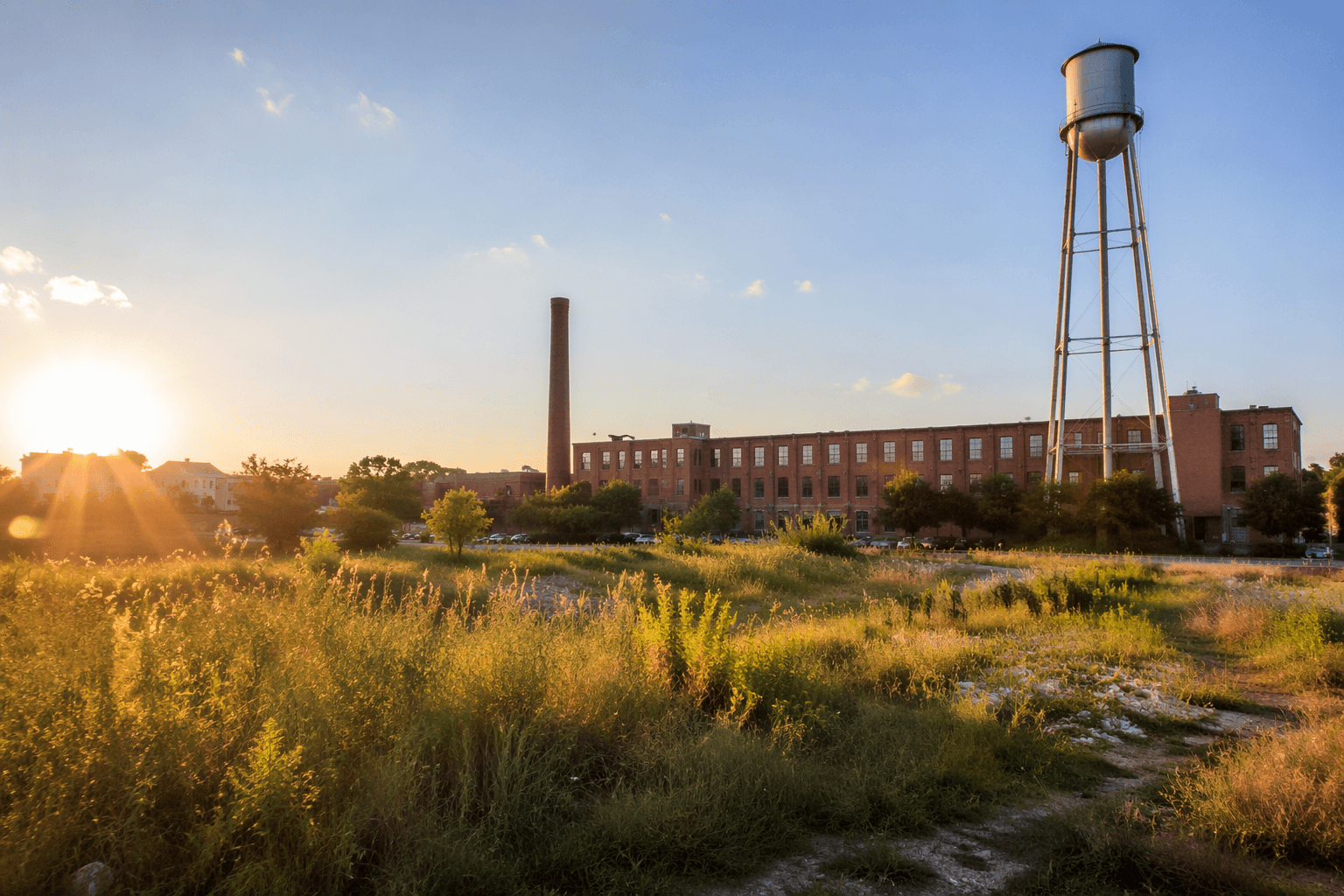
The promise of that scale is also what made the vote contentious. Council member Patrick Cloutier cast the lone no vote, arguing that Tax Increment Reinvestment Zone No. 1 already has too many competing priorities. He pointed to the area’s basic infrastructure gaps, including the lack of storm sewers, as a reason to be cautious about adding another obligation to the district.
That split reflects a larger debate in McKinney over how far the city should go in using public financing to push redevelopment in older parts of town. Supporters see the tax zone as a way to bridge the gap between what a private developer can finance and what a site needs to become buildable. Critics worry the district’s resources are being stretched thin before the city has finished tackling the infrastructure already on the books.
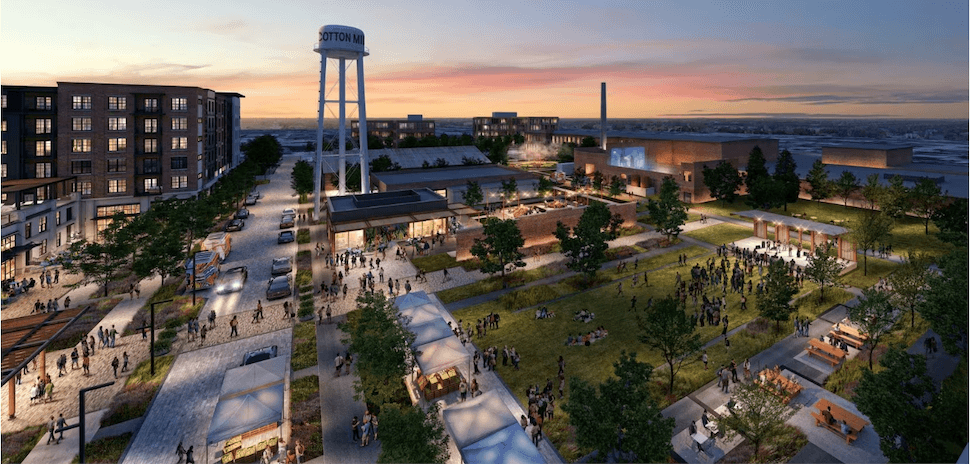
For east McKinney, the immediate stakes are concrete. The expansion gives the city another tool to shape housing growth, retail access and street-level infrastructure near the Cotton Mill, while setting up a project that could redefine the area’s next chapter.
This article was produced by Prism’s automated news system from verified source data, official records, and press releases, then run through automated quality and moderation checks before publishing. The system is built and supervised by the people who set the standards it runs under. Read our full AI policy.
Know something we missed? Have a correction or additional information?
Submit a Tip