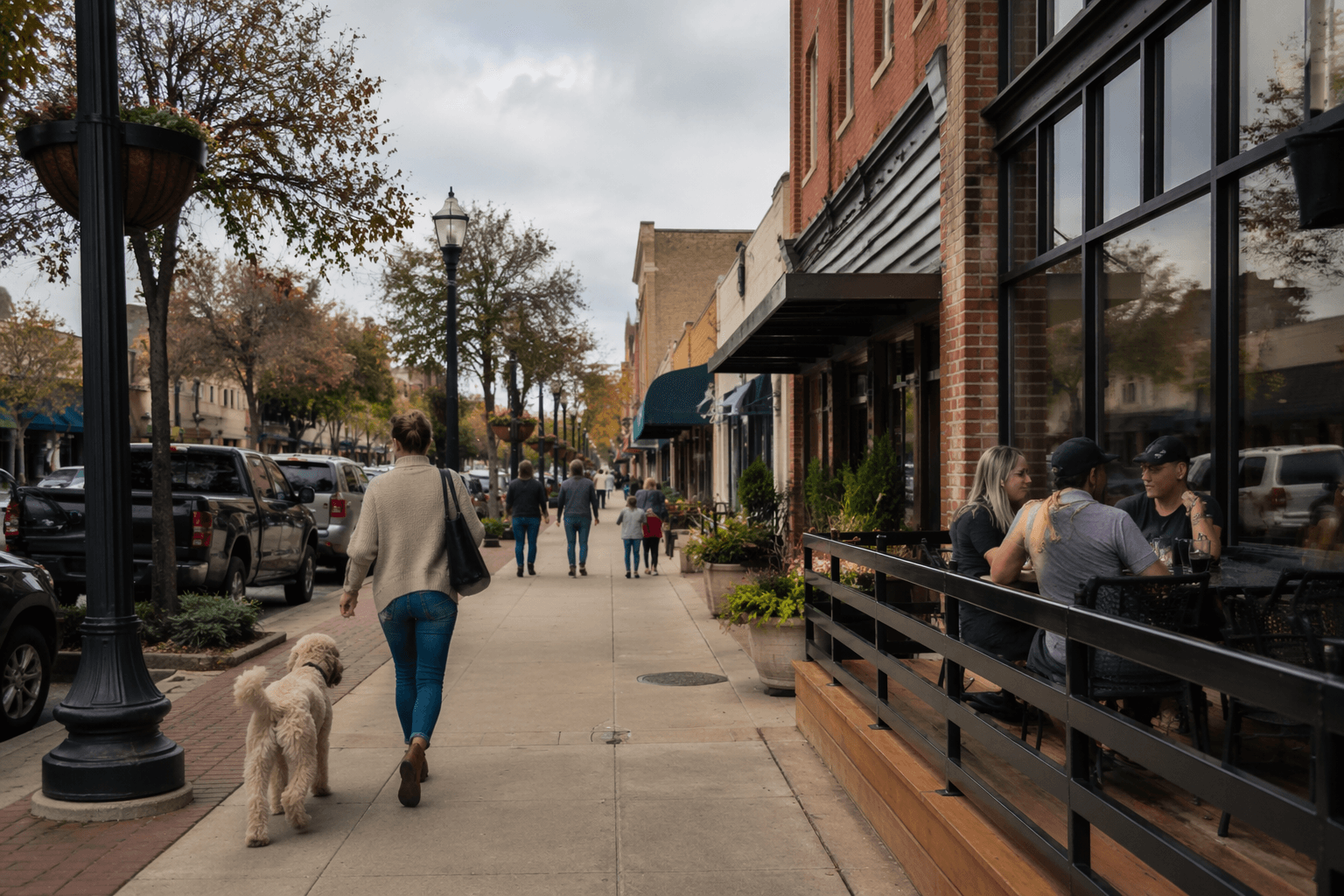
McKinney seeks federal grant to launch commercial air service at airport
McKinney is asking Washington for $1.6 million to market flights before its new terminal opens, with local tax-zone money covering part of the launch risk.
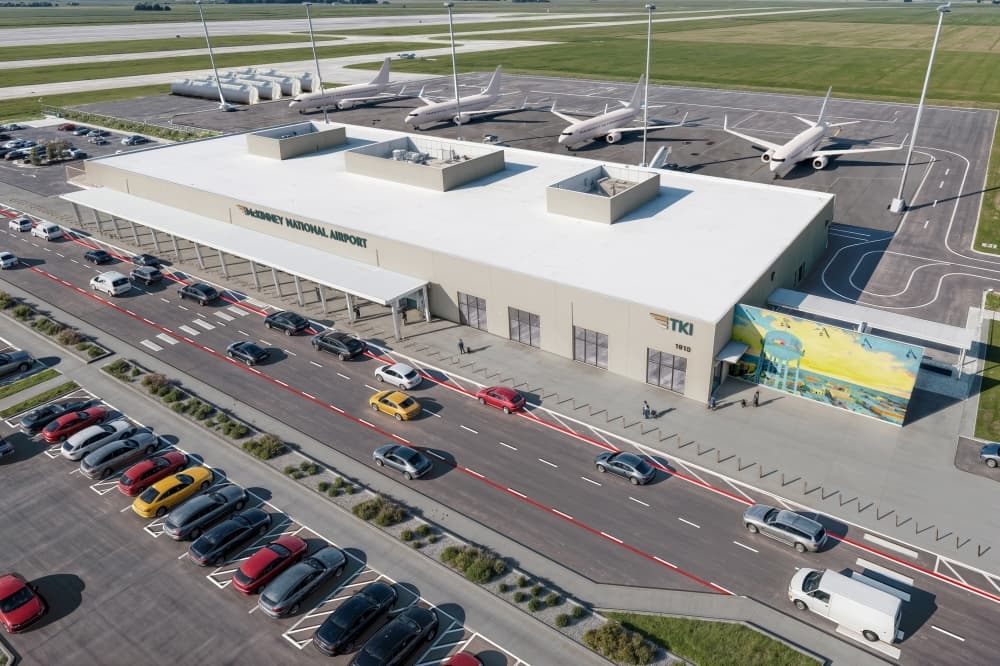
McKinney is trying to buy something most airports spend years chasing, airline commitment before the first passenger boards. City officials are seeking $1.6 million from the U.S. Department of Transportation to launch a commercial air service incentive program at McKinney National Airport, using local match money from Tax Increment Reinvestment Zone No. 2 to help cover the first year of marketing and route development.
The stakes reach well beyond airport property lines. If McKinney lands commercial flights, the airport would become one of only three commercial-service airports in the Dallas-Fort Worth area, alongside Dallas Fort Worth International Airport and Dallas Love Field Airport. That could shift business travel habits for North Texas companies, cut some trips to the larger airports, and add new traffic, noise and pressure around the airport for nearby neighborhoods and streets.
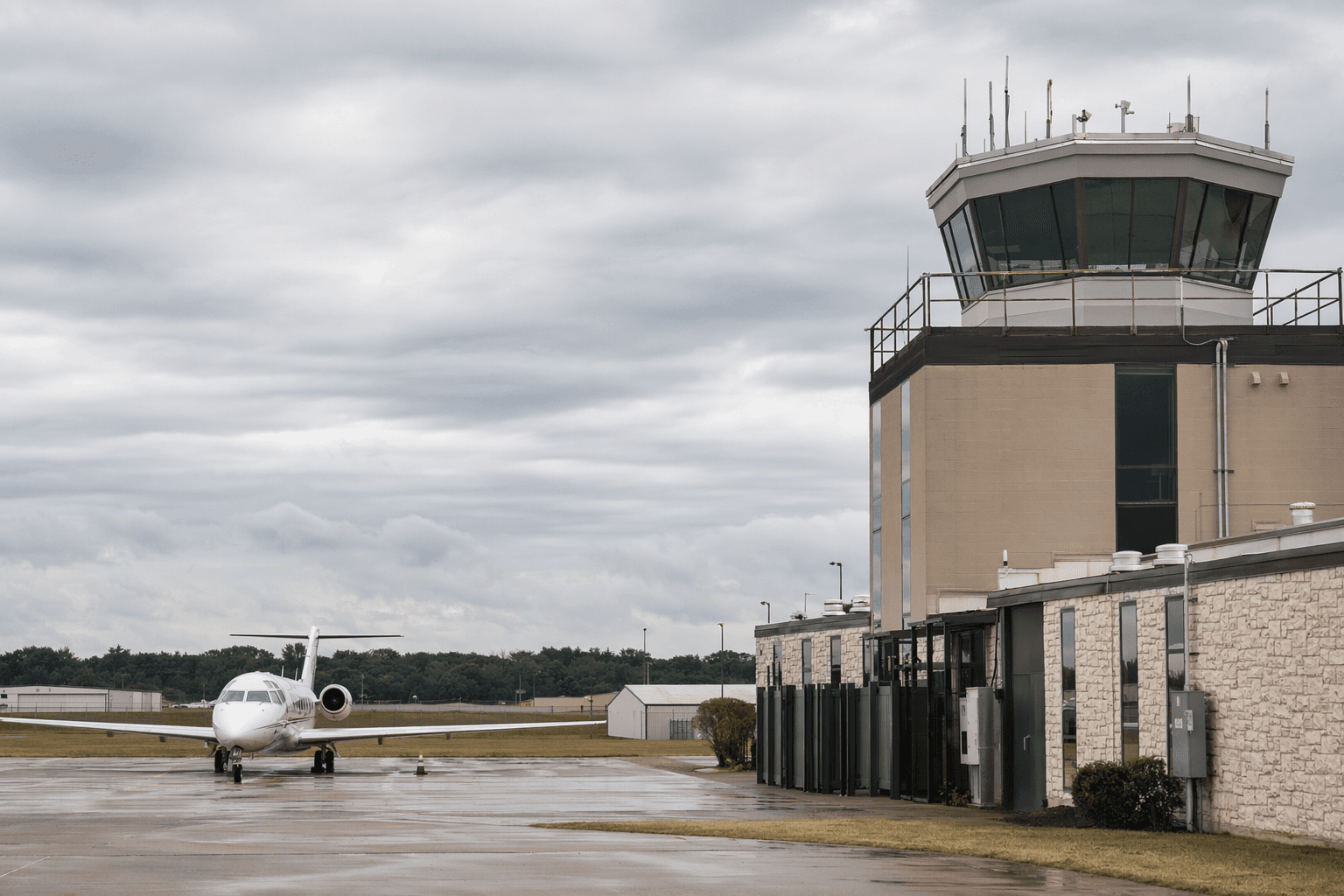
The city council approved the grant application April 21. Under the program, McKinney plans to use the money for targeted social media and digital advertising, community and media engagement, press releases, inaugural-flight support and, where federal rules allow, familiarization flights for media, influencers and business leaders. Airport director Ken Carley said programs like this are common at airports across the country because they help airlines test new routes and absorb launch costs or targeted marketing.
The timing is tied to a larger gamble already underway at the airport. McKinney National Airport’s passenger terminal is on schedule for late 2026, and city officials are working to make sure airlines see enough demand to come in when the doors open. The airport announced its first Airline Use and Lease Agreement with Avelo Airlines on Dec. 17, 2025. The five-year deal, with an optional five-year extension, includes airport use charges such as a per-passenger fee and aircraft fuel fees. Avelo said it expects to create well over 100 jobs in the region once service begins.
McKinney’s push comes after voters rejected a $200 million airport bond proposition in May 2023 by 58.69% to 41.31%. The earlier proposal called for a 144,000-square-foot terminal with four gates, room to expand to 16 gates, 2,000 parking spaces, dining and retail. City leaders later moved to a smaller, council-financed project, including a 46,600-square-foot passenger terminal, with construction slated to begin in June 2025.
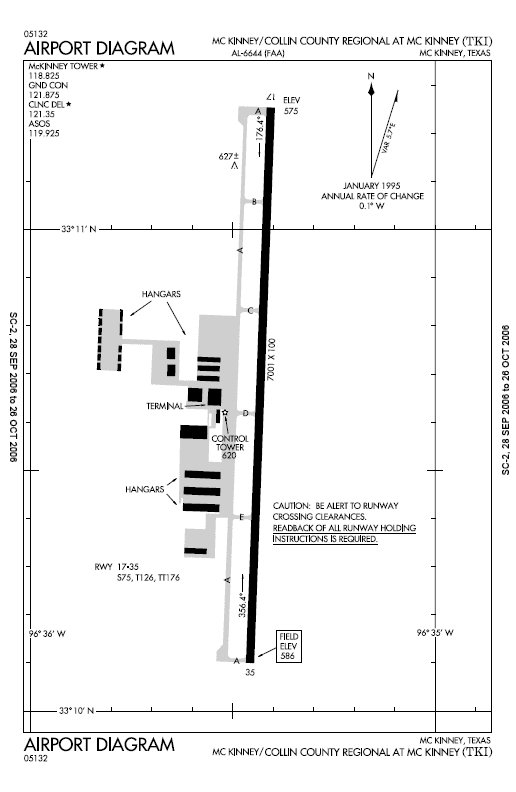
The city says the airport already contributes more than $299 million a year to the local and regional economy, supports 1,560 jobs and generates more than $21.7 million in visitor spending. McKinney also says airport activity produces more than $2.3 million for McKinney ISD and another $1.39 million for the city, Collin County and Collin Community College. The new federal request is designed to turn that general aviation base into a commercial gateway, with taxpayer-backed incentives helping decide whether McKinney becomes a new flight option or remains a long-promised concept.
This article was produced by Prism’s automated news system from verified source data, official records, and press releases, then run through automated quality and moderation checks before publishing. The system is built and supervised by the people who set the standards it runs under. Read our full AI policy.
Did this article answer your question?