Plano, Frisco and McKinney face lawsuits over Flock camera privacy fears
Frisco logged 38,644 Flock alerts and 54 arrests in six months as Plano, McKinney and Frisco faced privacy-based lawsuit threats. The fight now centers on 30-day storage.
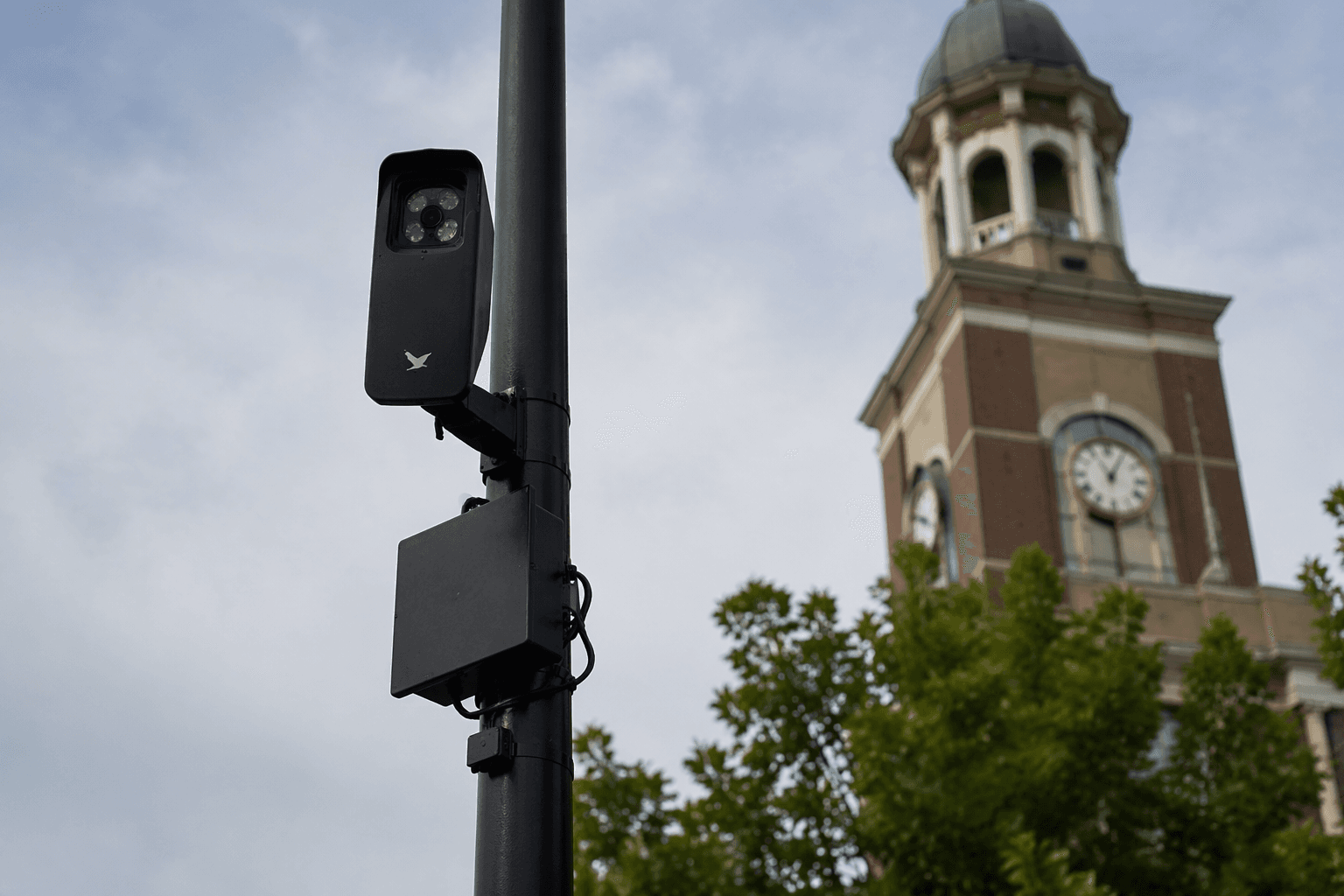
Frisco police logged 38,644 alerts and 54 arrests from Flock license plate cameras in the first half of 2025, while Plano, Frisco and McKinney all faced threatened civil rights lawsuits over the technology. The cameras capture rear vehicle images and plate data, not people’s faces, and the system automatically purges records after 30 days.
Frisco began installing Flock Safety’s automated license plate readers at the end of December 2024 at strategic locations across the city after receiving more than $437,000 in grant money through the Texas Department of Motor Vehicles’ Motor Vehicle Crime Prevention Authority. Police Chief David Shilson called the rollout a “technological game changer.” The system is not used for traffic enforcement, and personnel must be trained and certified before they can access the database. In the first six months of 2025, officers also ran 14,154 searches through the system, obtained four warrants and tied the alerts to those 54 arrests.
McKinney moved ahead in January 2025, when City Council approved a citywide system. A contract for 13 cameras and a nearly $50,000 purchase order covered purchase and installation. The cameras were placed on TxDOT right-of-way and were intended to aid criminal investigations.
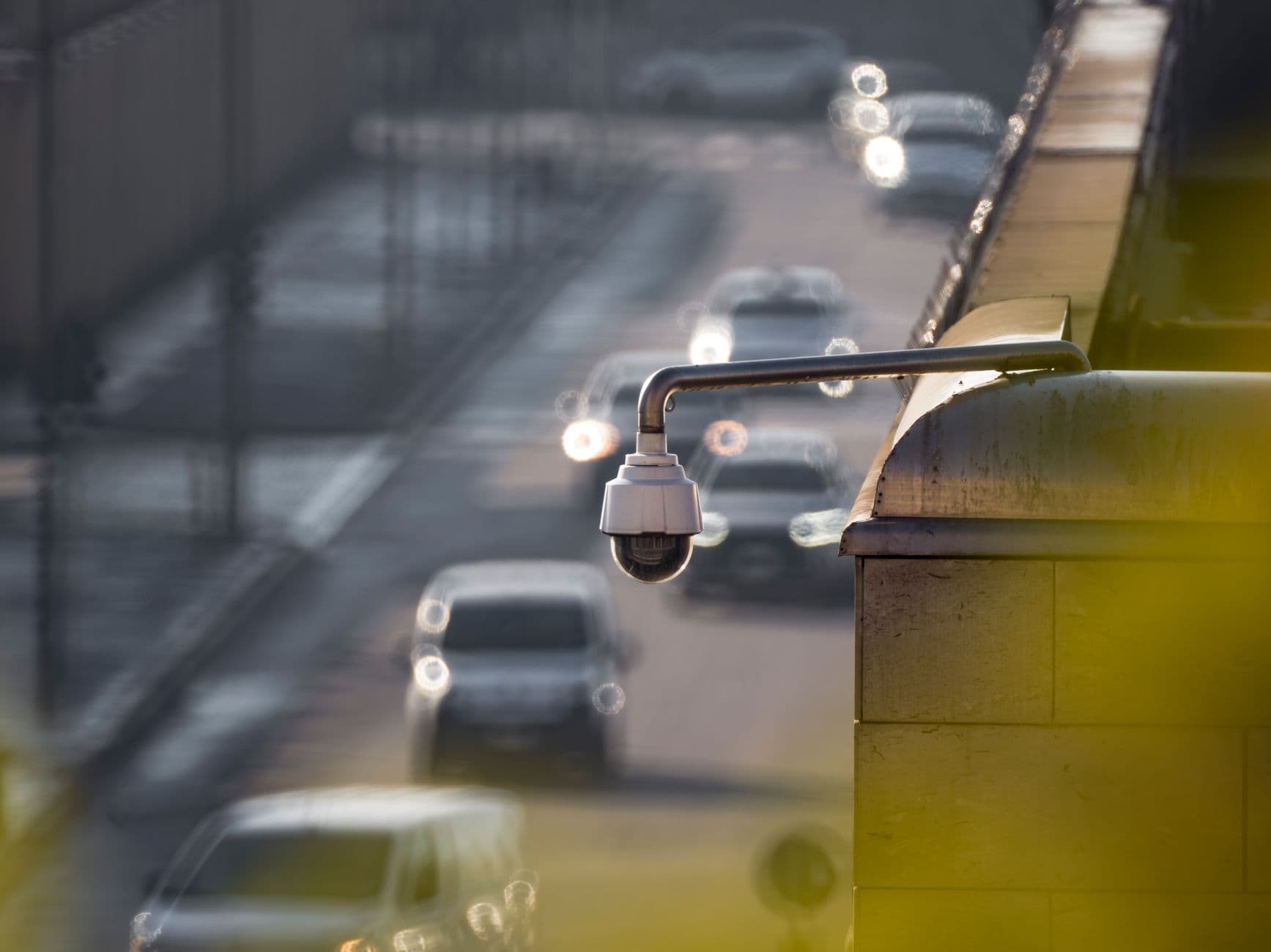
Plano’s debate turned public in late 2025, when council discussion over a proposed Flock purchase was sent back to committee after residents raised privacy concerns. The cameras can help solve crimes, locate stolen vehicles and alert officers to wanted suspects or missing persons. Privacy advocates counter that the same network can create warrantless tracking across city lines, especially when agencies can search shared databases with little public visibility.
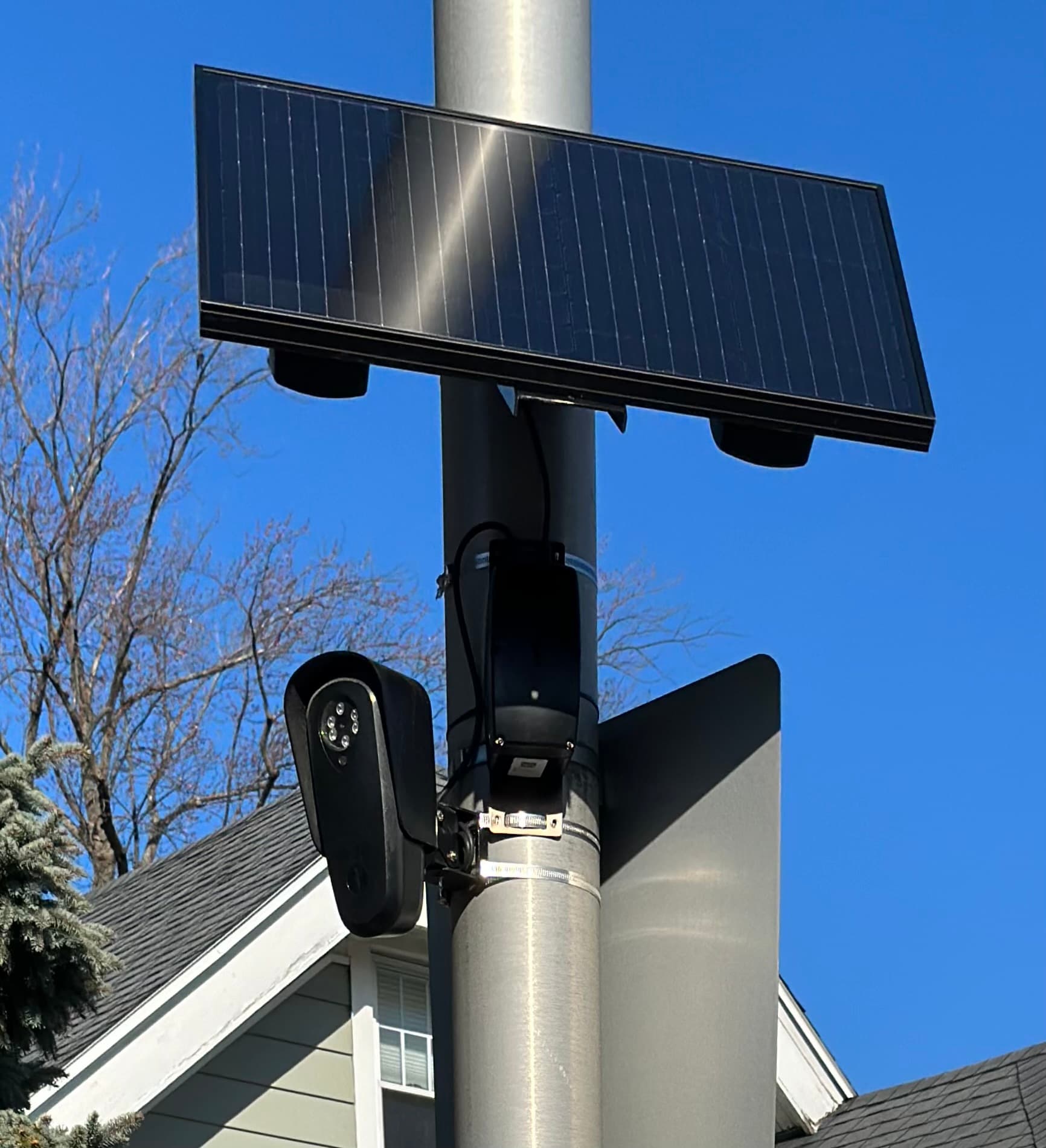
The Electronic Frontier Foundation found that a Texas sheriff’s office searched data from more than 83,000 ALPR cameras to track a woman suspected of self-managing an abortion. A January 2026 security investigation also found roughly 60 Flock-operated video devices left open to online monitoring and tampering. The American Civil Liberties Union and the Electronic Frontier Foundation say ALPR networks can be abused for immigration enforcement and other sensitive investigations.
This article was produced by Prism’s automated news system from verified source data, official records, and press releases, then run through automated quality and moderation checks before publishing. The system is built and supervised by the people who set the standards it runs under. Read our full AI policy.
Did this article answer your question?

