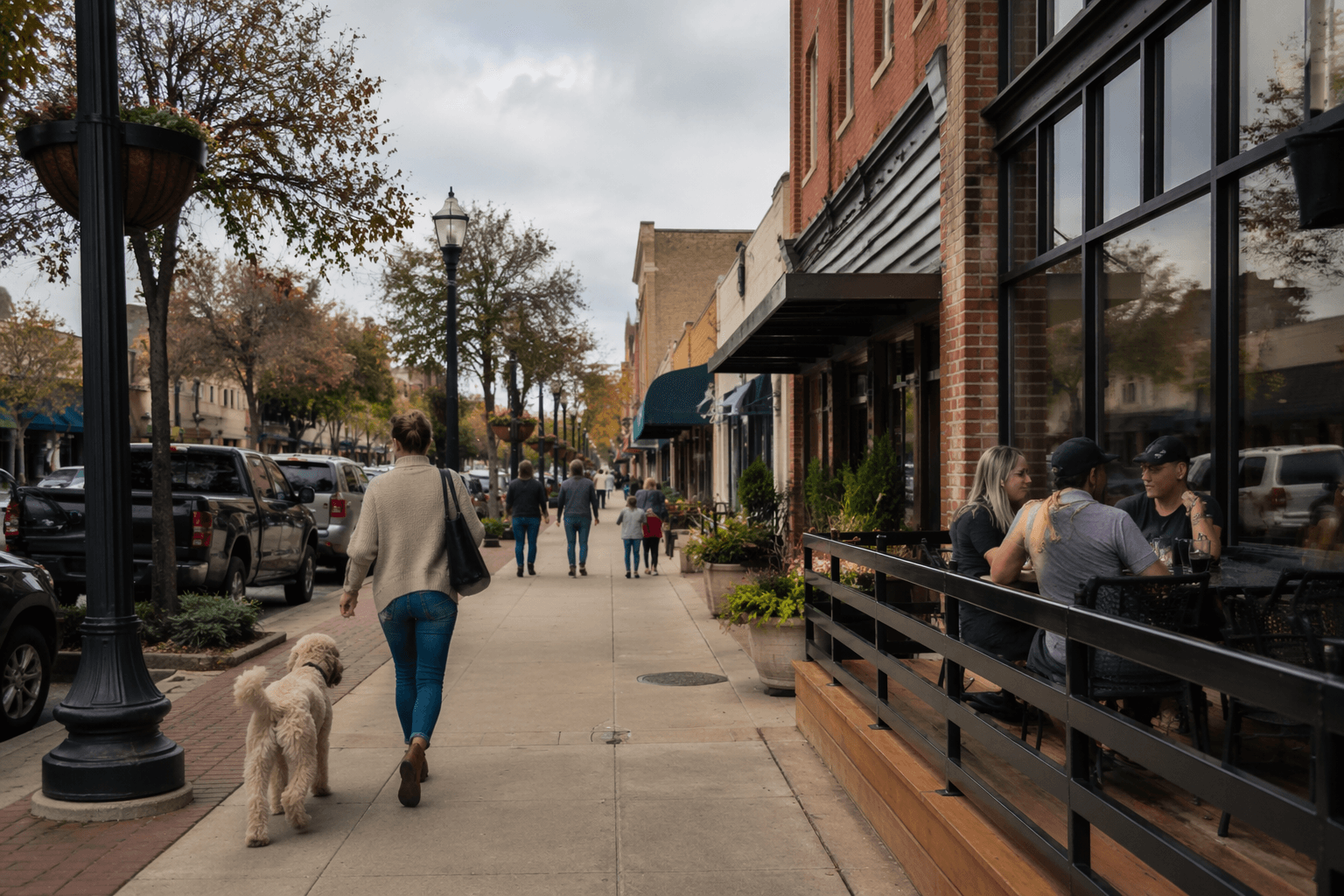
Plano leaders credit partnerships for city’s growth and employer appeal
Plano leaders said partnerships are still the city’s edge, even as AT&T’s $20 million deal and DART talks show growth now comes with bigger costs.

At the Marriott Legacy Town Center, Plano’s business, city and school leaders gathered May 21 to make a familiar argument with high stakes for Collin County: the city’s strongest economic tool is still its ability to get public and private partners moving in the same direction.
The Plano Chamber of Commerce framed its annual State of Plano Business Address around “The Power of Partnerships,” with a panel that included Mayor John B. Muns, Plano ISD Superintendent Dr. Theresa Williams, City Manager Mark Israelson, Shayne Carter and Chamber President and CEO Kelle Marsalis. Toyota presented the event, with Gliden and Texas Health Presbyterian Hospital Plano as gold sponsors and Scott Peek Photography as the silver sponsor. The message from the stage was that Plano’s draw is not just corporate addresses, but the network around them: public safety, strong schools, healthcare access and a city government that can help employers scale.

That pitch is being tested in real time by AT&T’s move north from downtown Dallas. Plano City Council approved two economic development agreements on Feb. 23 that would provide up to $20 million in incentives for the company to establish its global headquarters in the Legacy District, tied to a $1.35 billion project and redevelopment of the former Electronic Data Systems campus. AT&T CEO John Stankey announced earlier this year that the company would relocate its headquarters to Plano and build at 5400 Legacy Drive, a sign that Plano is still winning major corporate bets even as other North Texas cities chase the same investment.
Mayor Muns said Plano’s advantage is not usually the largest incentive package. Instead, the city sells long-term stability, quality of life, strong public safety, solid education and healthcare that help companies stay and grow after the ribbon-cutting fades. That strategy has helped make Plano a major employment center in the Dallas-Fort Worth region, with the city estimating a 2025 population of 299,262 and more than 210,000 jobs.
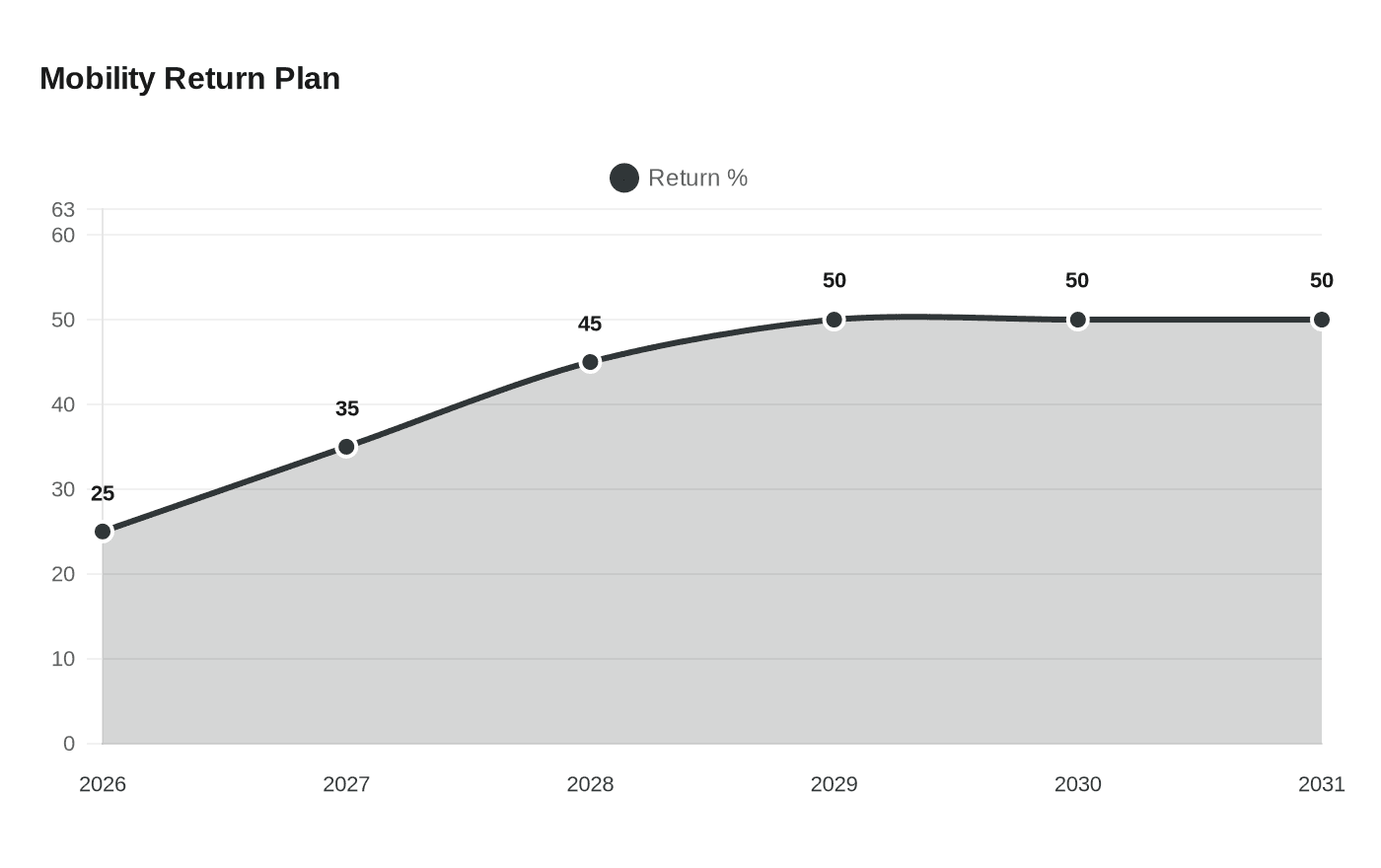
But the same growth story also carries a public cost. Plano’s transit page says the city contributes more than $130 million in annual sales tax to Dallas Area Rapid Transit, and city leaders have already negotiated a phased mobility return that would send 25% back in 2026, 35% in 2027, 45% in 2028 and 50% from 2029 through 2031. Earlier proposals included a 50% return and a 25% return. The numbers show the tension behind Plano’s partnership model: the city is still trying to prove that employer appeal can translate into better daily life, not just more pressure on roads, housing and public services.
This article was produced by Prism’s automated news system from verified source data, official records, and press releases, then run through automated quality and moderation checks before publishing. The system is built and supervised by the people who set the standards it runs under. Read our full AI policy.
Did this article answer your question?