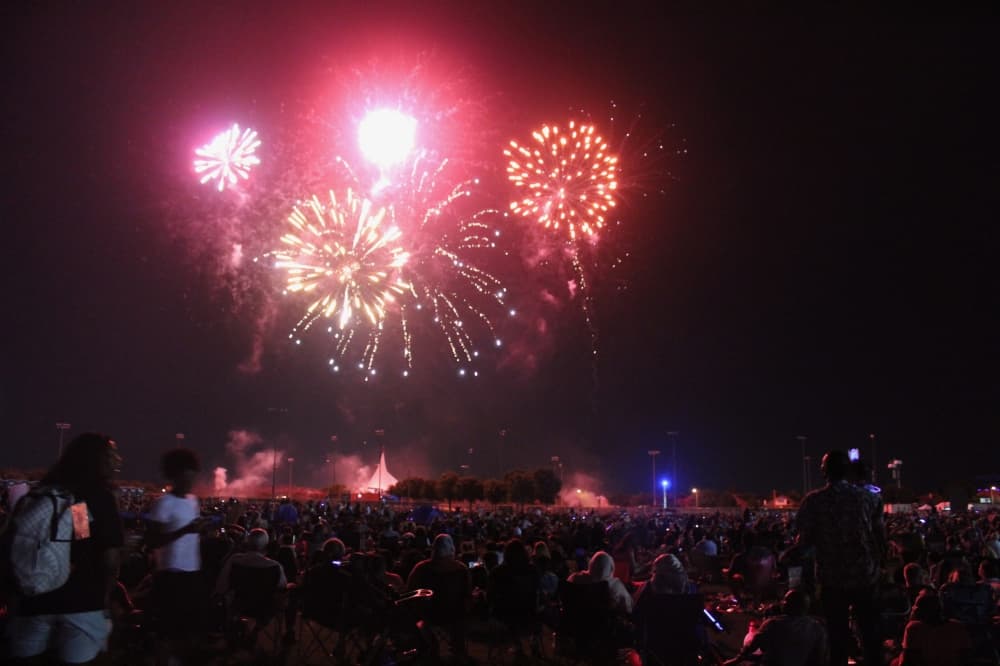
Plano parks reach highest rank ever in national ParkScore index
Plano rose to 13th in ParkScore, backed by 85% of residents within a 10-minute walk of a park and $228 in annual spending per person.
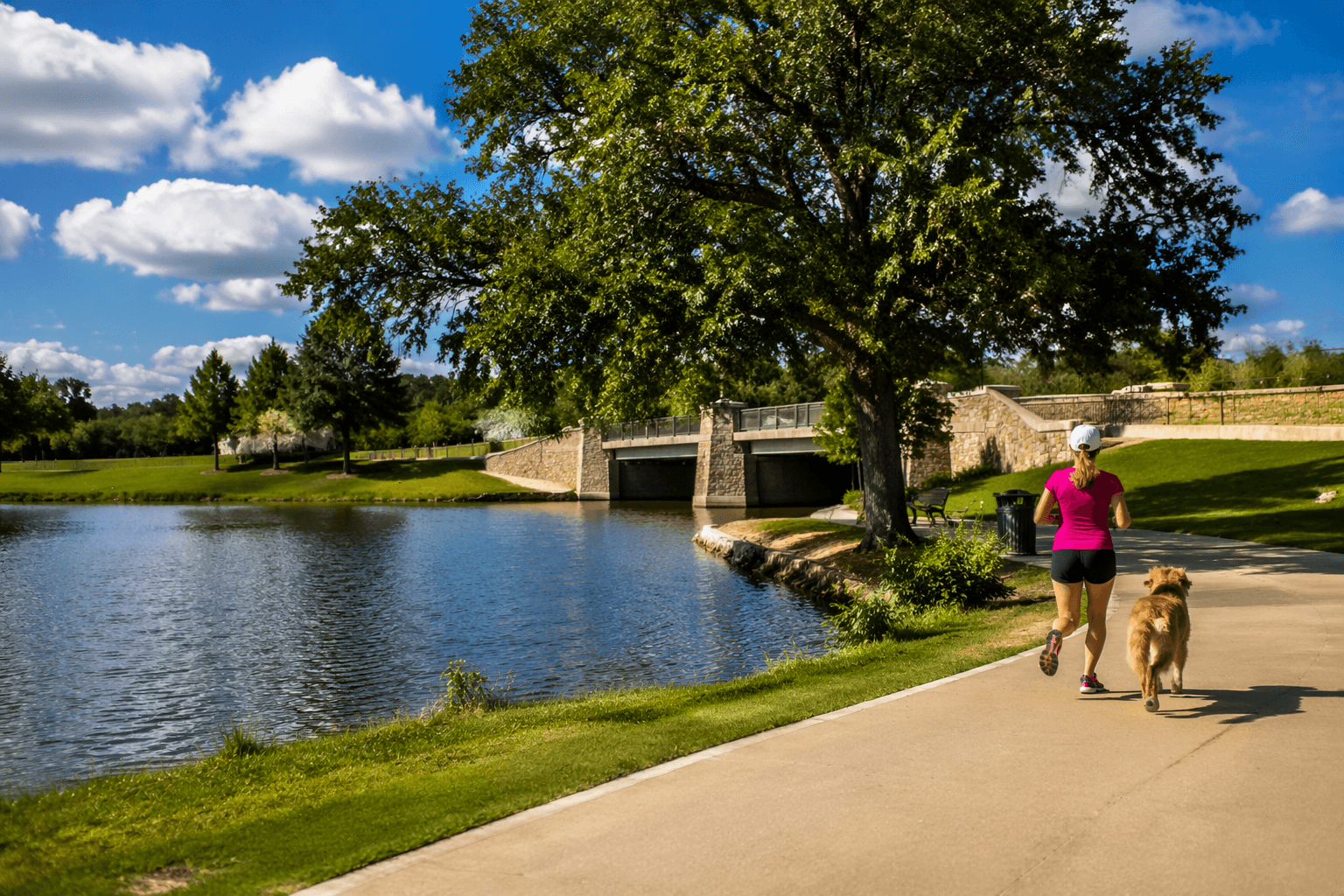
Plano’s parks just posted their best national ranking ever, but the bigger question for families heading into a North Texas summer is whether that standing translates into usable, evenly shared green space across the city.
The Trust for Public Land’s 2026 ParkScore index placed Plano 13th among the 100 most populous U.S. cities, up from 17th in 2025. The ranking is built on five categories, access, acreage, amenities, investment and equity, using 15 measures and a 100-point scale. In Plano’s case, the numbers behind the ranking are substantial: 85 percent of residents live within a 10-minute walk of a park, the city devotes 10.5 percent of its land to parks, and Plano spends $228 per resident each year on park investment.
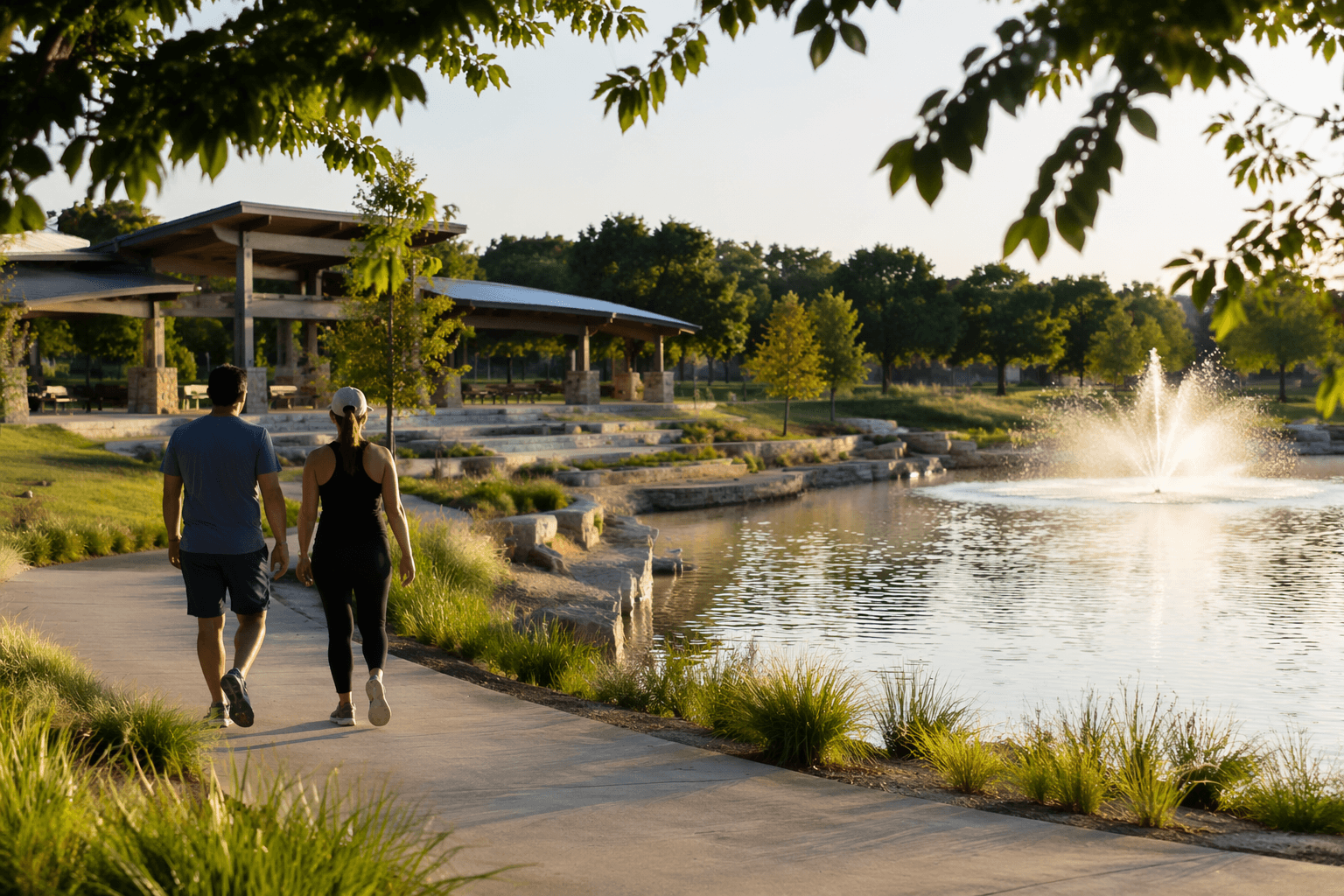
That kind of score matters in a fast-growing Collin County city where development pressure keeps testing how much open space remains near homes, schools and retail corridors. The ParkScore formula rewards not just park acreage, but whether people can actually get to a park, whether the city keeps investing, and whether the benefits reach neighborhoods more evenly. For Plano parents deciding where to spend an afternoon, the ranking is less about bragging rights than whether a nearby park has a path, a playground, shade and enough upkeep to stay usable through the summer.
Plano’s inventory helps explain why the city continues to sit near the top in Texas. Trust for Public Land’s Plano profile lists 85 park sites, four recreation centers, two Audubon Certified nature preserves, four outdoor swimming pools, world-class athletic facilities and two 18-hole golf courses. The city’s own parks page said Plano ranked 17th nationally and No. 1 in Texas in the 2025 index, with a score of 68.9 out of 100, and said 81 percent of residents lived within a half-mile of a park in that earlier ranking.
The 2026 report also put a dollar value on the payoff. Trust for Public Land updated a 2017 Plano economic-benefits analysis and said that in big U.S. cities, every $1 public agencies spend on parks and recreation returns about $3 in annual benefits at least. Its Plano fact sheets estimate 12.5 million annual visits to the city’s parks, trails and recreational facilities, with 80 percent of adults and 84 percent of children using them each year. The same materials put annual recreational value at $57.4 million and healthcare cost savings from physical activity at $33.6 million.
Plano was not alone in climbing. Frisco also moved up in the 2026 ParkScore index, underscoring how aggressively Collin County cities are using parks, trails and open space as part of the competition for livability. In a region defined by growth, the question now is not whether Plano has a strong park system. It is whether that system keeps pace with the people who rely on it, block by block and neighborhood by neighborhood.
This article was produced by Prism’s automated news system from verified source data, official records, and press releases, then run through automated quality and moderation checks before publishing. The system is built and supervised by the people who set the standards it runs under. Read our full AI policy.
Did this article answer your question?