Plano ranks No. 4 in WalletHub’s best cities to raise a family list
Plano landed No. 4 nationally, but the ranking also puts a spotlight on housing costs, rapid growth and the pressure of keeping family life affordable.
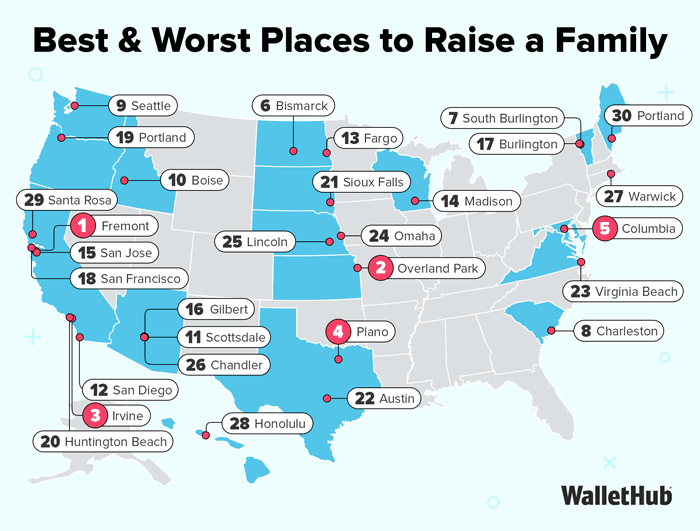
Plano’s reputation as a family city held firm in WalletHub’s 2026 ranking, where it placed No. 4 among more than 180 U.S. cities and stood as the only Texas city in the top 20. Fremont, California, Overland Park, Kansas, and Irvine, California, finished ahead of it, but Plano’s repeat showing matters in Collin County because the list measures far more than branding or suburban image.
WalletHub said its ranking drew from 45 metrics tied to family life, including housing, local school and health-care systems, recreation, family fun, health and safety, education and childcare, affordability and socioeconomic conditions. That mix helps explain why Plano keeps surfacing near the top: it is being judged not just on school quality or safety, but on whether families can actually live there, pay for it and stay there.
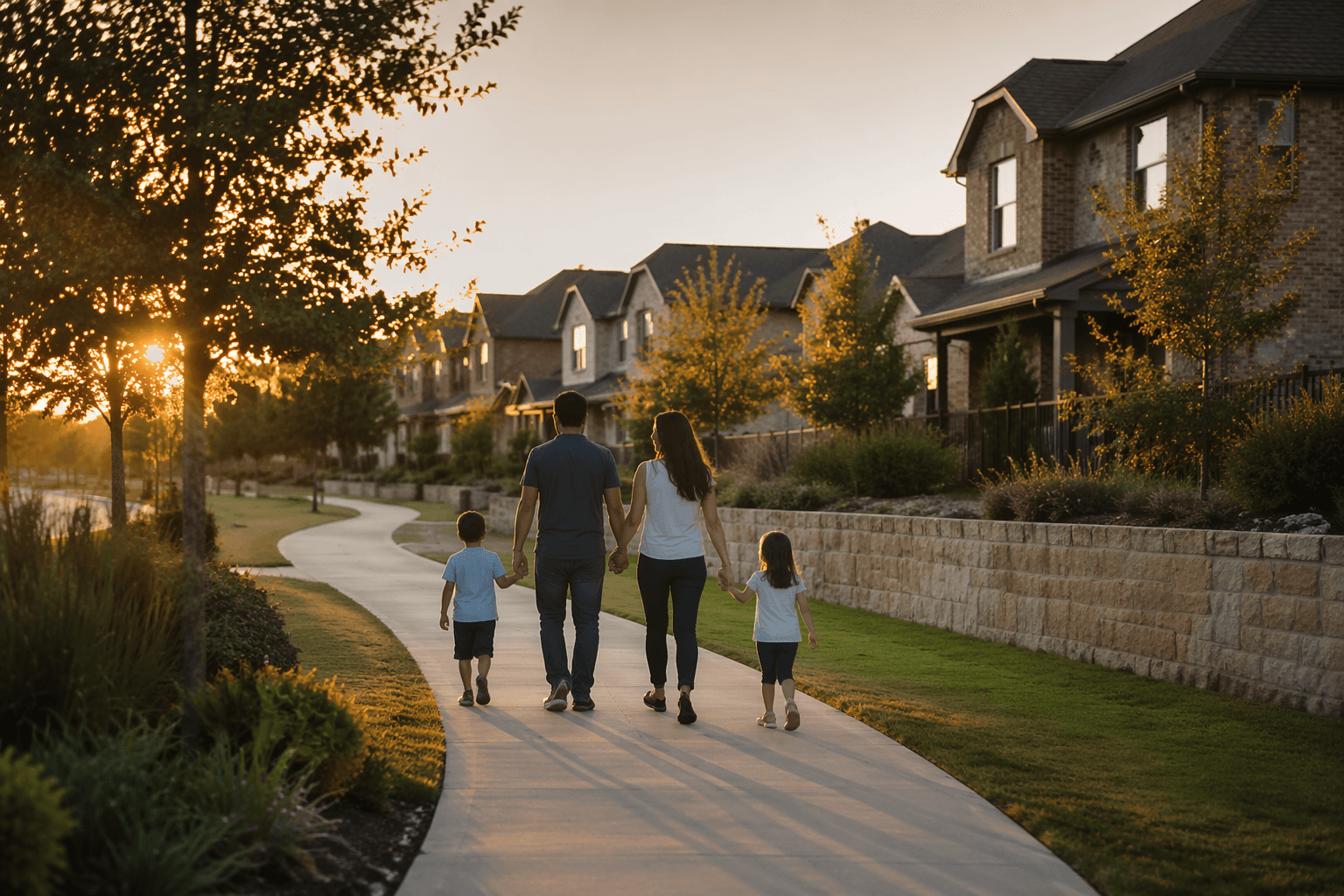
The city has plenty to sell. Plano Economic Development describes a community with excellent public and private schools, top-rated hospitals, low crime rates and a wide range of housing options, along with the convenience of being close to Dallas. Those strengths have long helped Plano serve as a benchmark for other North Texas suburbs trying to attract employers, homebuyers and retail investment while preserving a family-friendly profile.
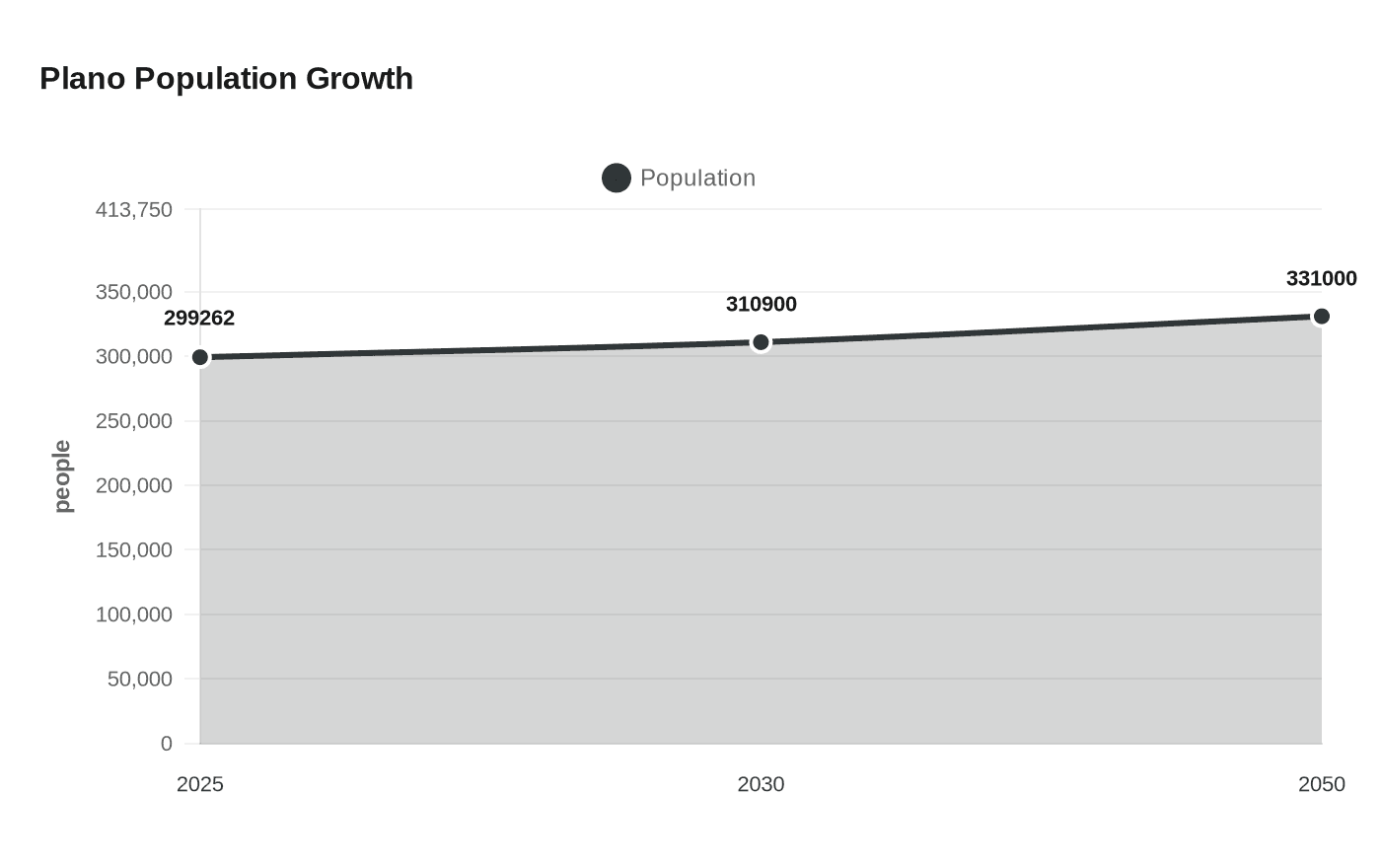
But the same data that elevates Plano also shows the strain behind the praise. The U.S. Census Bureau’s 2020-2024 estimates put the city’s median owner-occupied home value at $465,900 and its median gross rent at $1,841, numbers that underscore how expensive it can be for younger families and middle-income households to settle in. Plano’s 2025 population is estimated at 299,262, ranking ninth in Texas and 73rd in the nation, and the city projects growth to 310,900 by 2030 and 331,000 by 2050.
That growth keeps the conversation centered on access as much as accolades. Plano has 20.9% of residents under age 18, and Plano Independent School District was still taking 2025-2026 enrollment for pre-K, kindergarten and new students. Mayor John B. Muns, who became Plano’s 40th mayor on May 10, 2021 and was reelected in May 2025, has repeatedly highlighted youth and family efforts, including the Plano Mayor’s Summer Internship Program, Nourishing Hope and Plano Families First.
For Collin County families, the ranking is both validation and a reminder. Plano remains one of the country’s strongest suburban family cities, but keeping that edge will depend on whether its schools, housing market, health care access and civic programs can keep pace with the city’s own growth.
This article was produced by Prism’s automated news system from verified source data, official records, and press releases, then run through automated quality and moderation checks before publishing. The system is built and supervised by the people who set the standards it runs under. Read our full AI policy.
Did this article answer your question?