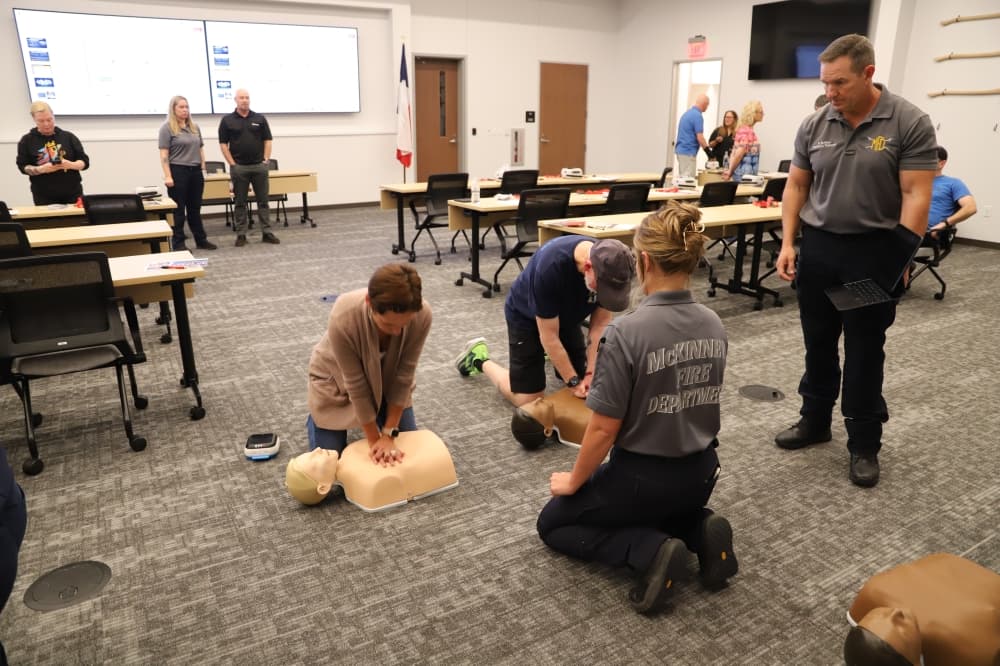
Plano students join 1,500 teens at youth mental health conference
Plano ISD students were among more than 1,500 teens who filled an Arlington conference to learn how to spot distress and steer friends toward help.
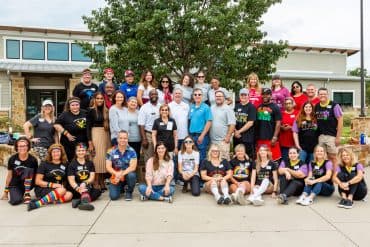
Plano students were part of a North Texas gathering built around a simple idea: teens often notice trouble in their friends before adults do. More than 1,500 students, educators and volunteers from 22 school districts, plus charter and private schools, packed the Dr. Marcelo Cavazos Center for Visual & Performing Arts in Arlington for the fourth annual Texas-Sized Peer-to-Peer Youth Mental Health Conference.
The April 1-2 event, themed “Let Hope Rise,” split programming by age, with high school students attending April 1 and middle school students attending April 2. Organizers had originally set a larger goal of 2,000 attendees from 32 school districts and more than 80 middle and high schools, underscoring how quickly the peer-to-peer model has grown across North Texas. Plano ISD students were among those in the crowd, joining peers who came to hear how to recognize emotional distress, reduce stigma and point classmates toward help.
The conference was hosted by The Grace Loncar Foundation, Grant Halliburton Foundation and The Jordan Elizabeth Harris Foundation, a partnership that reflected how youth mental health work in Collin County and beyond has become a shared effort among schools, nonprofits and students themselves. The program mixed practical tools with high-energy elements, including yoga, peer leadership panels, breakout sessions and interactive workshops. CHAMP, the Dallas Mavericks mascot, and the Fort Worth Opera also appeared, giving the event a more approachable feel for middle and high school students.

Emma Benoit delivered the keynote with a message shaped by lived experience. Her conference bio says her suicide attempt came in 2017, the summer before her senior year of high school, and that she later became the subject of the documentary My Ascension. Conference materials say the film follows her recovery and her work to bring Hope Squad, a school-based suicide prevention program, to Louisiana. Her story gave the conference a clear center: even when someone looks fine from the outside, the struggle can be real.
Allison Moore, co-founder and president of ThriveWay, urged students to pause, shift perspective and focus on what is within their control while practicing gratitude. Matt Vereecke of The Jordan Elizabeth Harris Foundation and Kevin Hall, president of Grant Halliburton Foundation, both pointed to the energy in the room as proof that students respond when they are trusted to look after one another. For Plano teens and their classmates, the message was direct: notice the warning signs, speak up early and use the support systems already around them.
This article was produced by Prism’s automated news system from verified source data, official records, and press releases, then run through automated quality and moderation checks before publishing. The system is built and supervised by the people who set the standards it runs under. Read our full AI policy.
Did this article answer your question?