Richardson weighs asphalt overlays to extend life of fair streets
Richardson is weighing asphalt overlays for fair streets, a shift officials say could add at least a decade of life and cut repeat patchwork on roads that make up about 65% of the city.
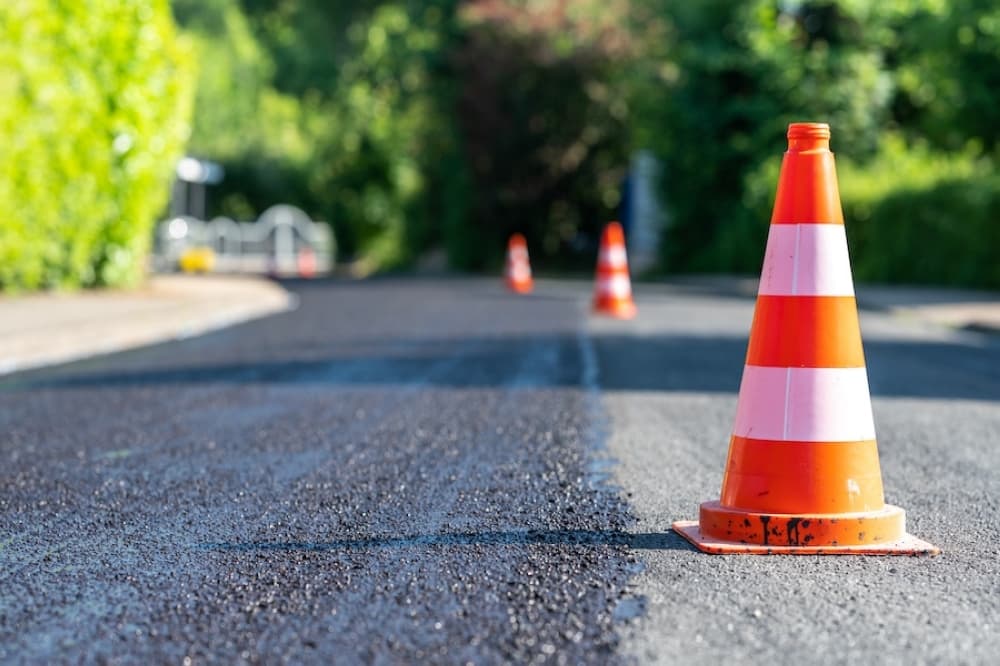
Richardson is debating whether to stop chasing broken slabs one at a time and instead put a thin asphalt overlay on streets still in fair shape, a move city staff said could add at least a decade of life to pavement and reduce the cycle of repeat patching. Assistant City Manager Charles Goff laid out the idea at the April 20 council meeting as a middle-ground strategy for roads that are serviceable but beginning to deteriorate, not streets that need full reconstruction.
The plan would mark a shift from the city’s current approach, which relies heavily on localized concrete replacement, patching one or two slabs at a time. Goff said the city does not recommend overlays for good streets, which need only light maintenance, or poor streets, which require more structural work. That leaves the broad middle of the network, and the city’s 2020 pavement condition assessment put about 65% of Richardson’s streets in the fair category. In practical terms, that is the part of the street grid most likely to see smoother travel first if the council ever moves ahead.
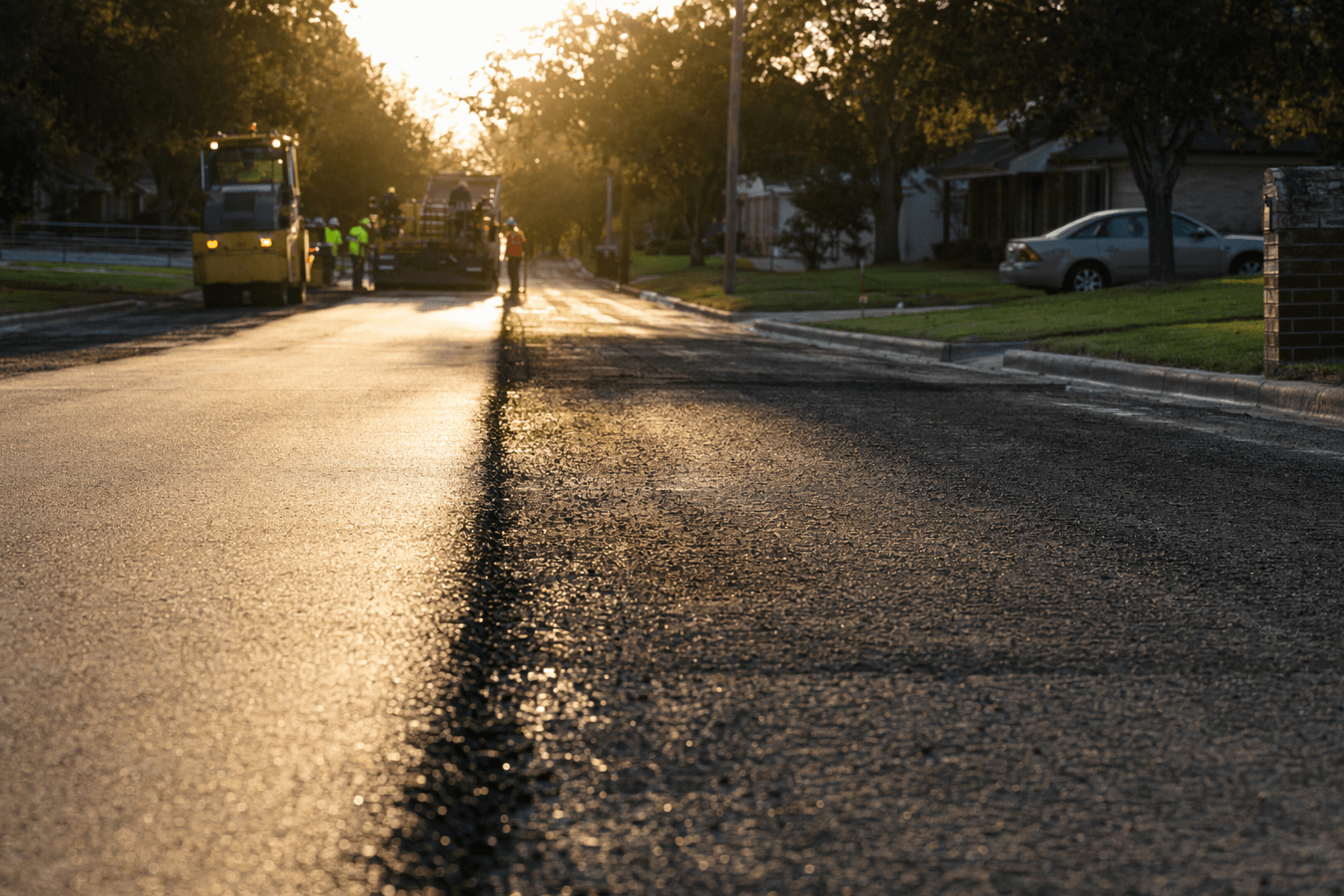
The issue lands as Richardson is already asking voters to support a massive street package. On Feb. 9, the City Council called a May 2 bond election for a $223.4 million proposal, the largest bond Richardson has ever put forward. Streets and alleys account for $132.2 million, or 59.2%, of the package, which city officials say would fund reconstruction, alley replacement, traffic-signal work, school zone flashers, ADA upgrades at signalized intersections and trail and street-crossing improvements. Officials have also said more than 70% of Richardson’s streets are more than 40 years old, well beyond the city’s expected 25-year useful life.
That aging network helps explain why staff are looking for ways to stretch each repair dollar. Richardson’s 2020 street analysis found that the condition of roads rated poor or fair had declined since a 2014 assessment, and staff have said the city did not prioritize repairs when many streets first started aging. Goff said the city should wait a few years before deciding whether to adopt overlays, a caution that suggests leaders want to see how the bond program and other projects play out first.
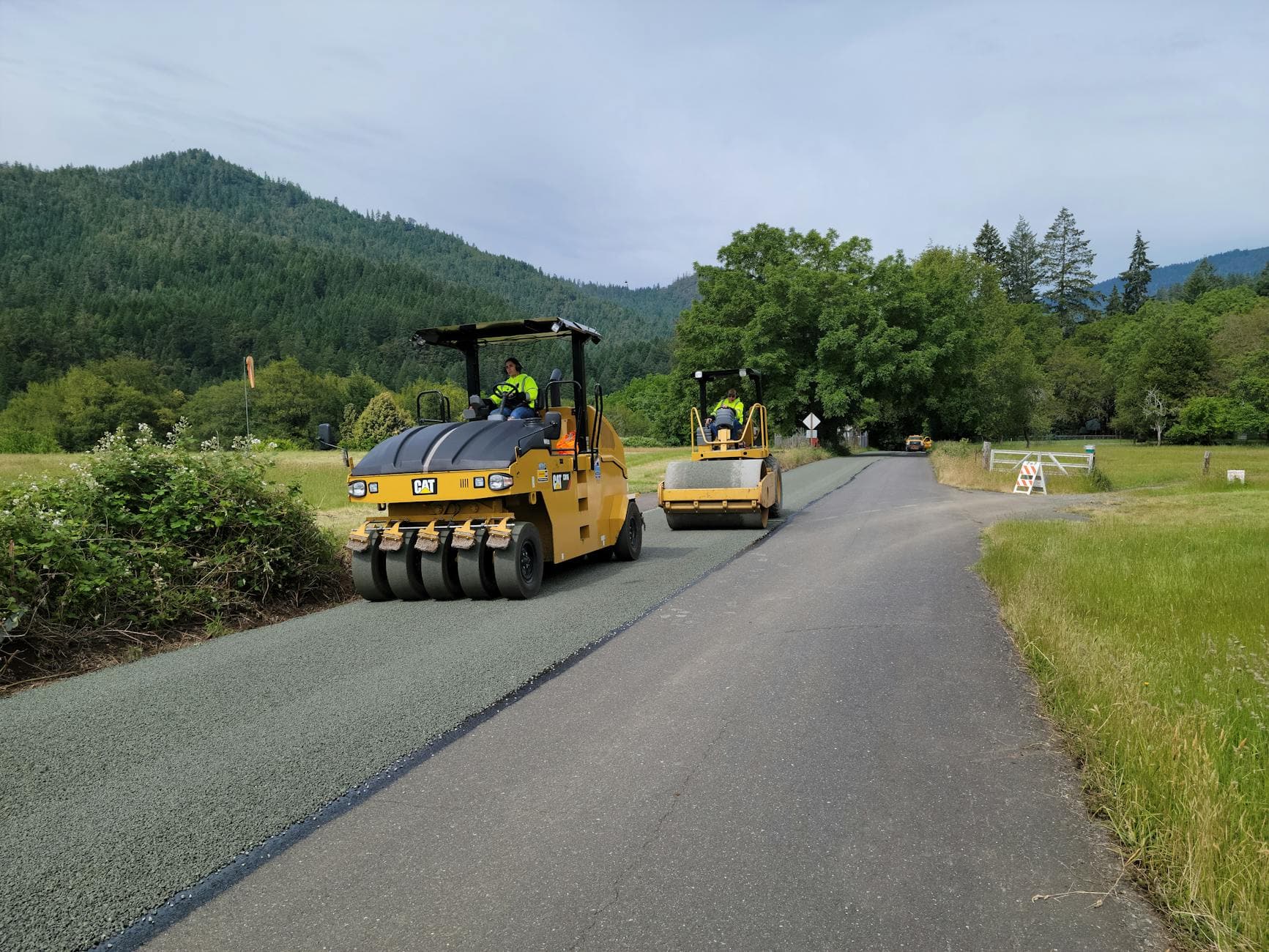
The city is still spending heavily on traditional repair. In March, council approved $3.33 million in street and alley contracts for southeast Richardson, covering more than 11,000 square yards of deteriorated alley pavement and 21,300 square yards of neighborhood street pavement. Work is expected to run from spring 2026 to spring 2027, a reminder that for many blocks, the question is not whether repairs are coming but how often residents will be forced back onto rough pavement before the city finally settles on a longer-term fix.
This article was produced by Prism’s automated news system from verified source data, official records, and press releases, then run through automated quality and moderation checks before publishing. The system is built and supervised by the people who set the standards it runs under. Read our full AI policy.
Did this article answer your question?