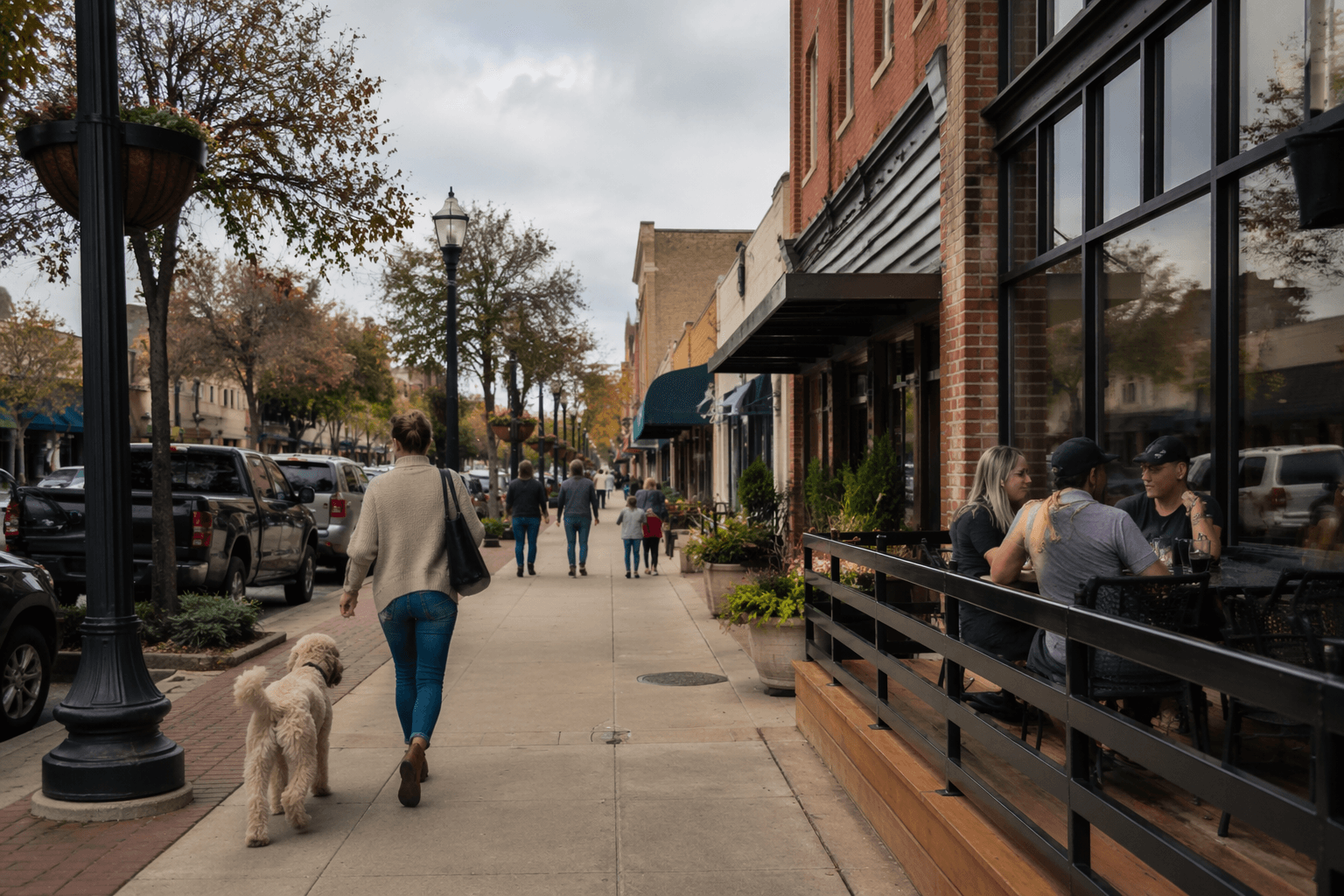
Ten McKinney Businesses Closed in 2025, Downtown Corridors Hit
Ten McKinney businesses closed during 2025, including essential services and long-standing storefronts, a pattern that has strained downtown retail corridors and left gaps in neighborhood amenities. The departures, from McKinney Pharmacy (closed Aug. 8) to Savor Patisserie (closed Jan. 5 at 119 W. Virginia St.), underscore local economic pressures that could affect foot traffic, property vacancy, and small-business viability.
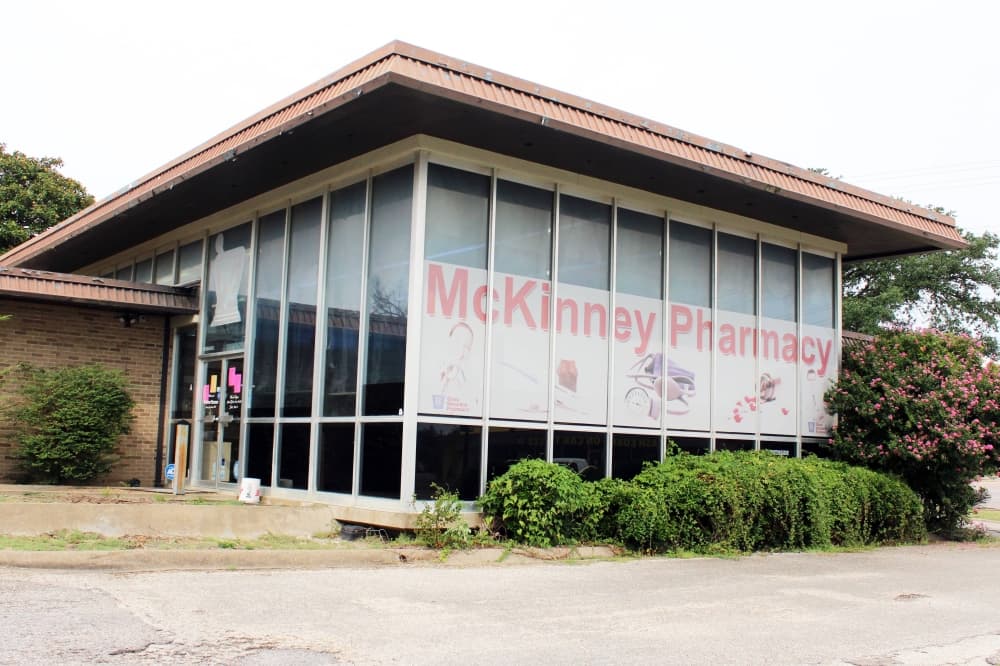
Ten McKinney businesses shuttered over the course of 2025, a wave of closures that concentrated impacts in the city’s downtown shopping corridors and on small-business owners reliant on steady pedestrian traffic. The closures ranged across sectors and locations; among them, McKinney Pharmacy closed on Aug. 8, removing a local source for prescriptions, and Savor Patisserie closed Jan. 5 at 119 W. Virginia St., eliminating a food-service option that drew both residents and visitors to the historic core.
The tally of closures reflects more than individual business outcomes; it signals changing commercial dynamics in a county experiencing rapid population and retail shifts. Downtown merchants reported reduced cross-shopping after longtime neighbors left, and business owners said vacancies made it harder to sustain customer flows that underpin small retail margins. For service-dependent businesses such as pharmacies and bakeries, the loss of a nearby complement can materially reduce daily foot traffic and incidental sales.
Market implications include likely increases in commercial vacancy rates downtown and potential downward pressure on short-term leasing revenue for small storefronts. Vacancy can become self-reinforcing: empty windows reduce passerby engagement, lowering sales for adjacent tenants and making leases harder to fill. That dynamic can affect municipal tax receipts tied to sales and property values, and it can change the character of downtown streets that city residents and visitors expect to maintain.
Local policy responses can shape whether these vacancies are temporary or long-term. Targeted measures that can help stabilize corridors include short-term incentives for pop-up tenants, streamlined permitting for adaptive reuses, and small-business assistance focused on operating cost relief and marketing to restore foot traffic. Tracking vacancy durations and tenant turnover at the block level will also be important for calibrating incentives and redevelopment priorities.

Longer-term trends remain relevant: consumer shifts toward online retail and changing commuting patterns continue to reshape demand for physical storefronts. For Collin County residents, the immediate effects are practical, fewer nearby services, altered morning and evening foot traffic, and the visual cost of empty storefronts, and the longer-term implications involve decisions by city leaders and landlords on whether downtown areas are preserved as retail destinations or repurposed for mixed uses.
Local business owners and residents will be watching which new tenants, if any, take over the vacated spaces and how city policy adapts to maintain vibrant downtown corridors in the year ahead.
This article was produced by Prism’s automated news system from verified source data, official records, and press releases, then run through automated quality and moderation checks before publishing. The system is built and supervised by the people who set the standards it runs under. Read our full AI policy.
Did this article answer your question?