Wylie historical society pushes to save Stonehaven House after talks pause
Wylie’s Stonehaven House is caught in limbo as the city paused relocation talks, while the historical society kept pushing to move the 1912 home downtown and turn it into a museum.
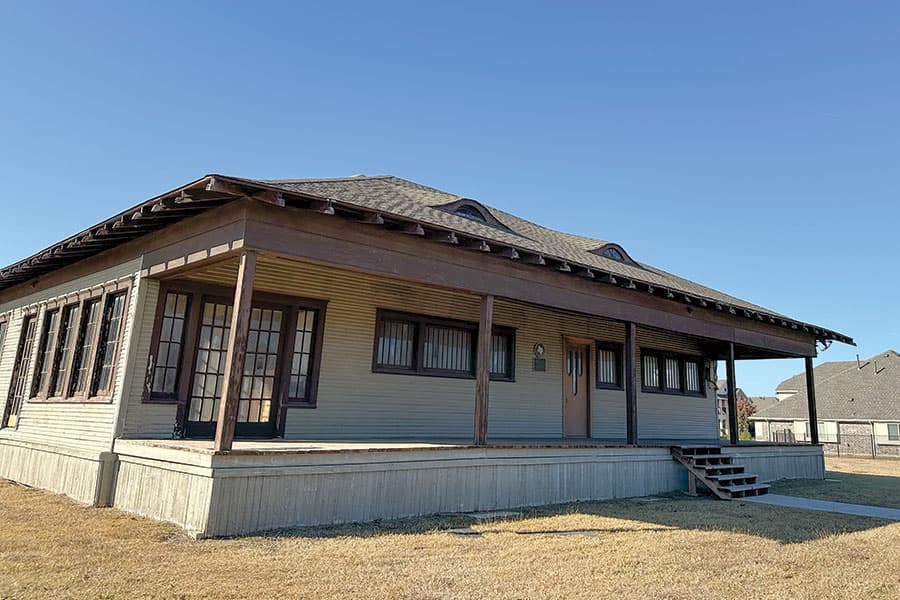
Stonehaven House sits on 1450 S. Ballard Avenue as more than a century of Wylie history hangs on a decision still not settled. After the Wylie City Council paused relocation talks on June 9, the Wylie Historical Society said it remained committed to restoring the 1912 home and moving it to the Downtown Historic District.
That pause sharpened the divide between the city and the society over how to preserve one of Wylie’s oldest landmarks. The society said it had been working with the City of Wylie on final details for the move and wanted Stonehaven to become a museum and public educational space, not a house left in limbo on the same land that has kept it tied to the Stone family for generations.
The society also pushed back on public misunderstanding around the stalled talks, saying it had never claimed city officials intended to destroy the home. That distinction matters because Stonehaven has already survived one close call: the structure was moved about 400 feet in 2016 to keep it from being demolished during the Alanis Drive expansion project, yet it still remains on original Stone family acreage.
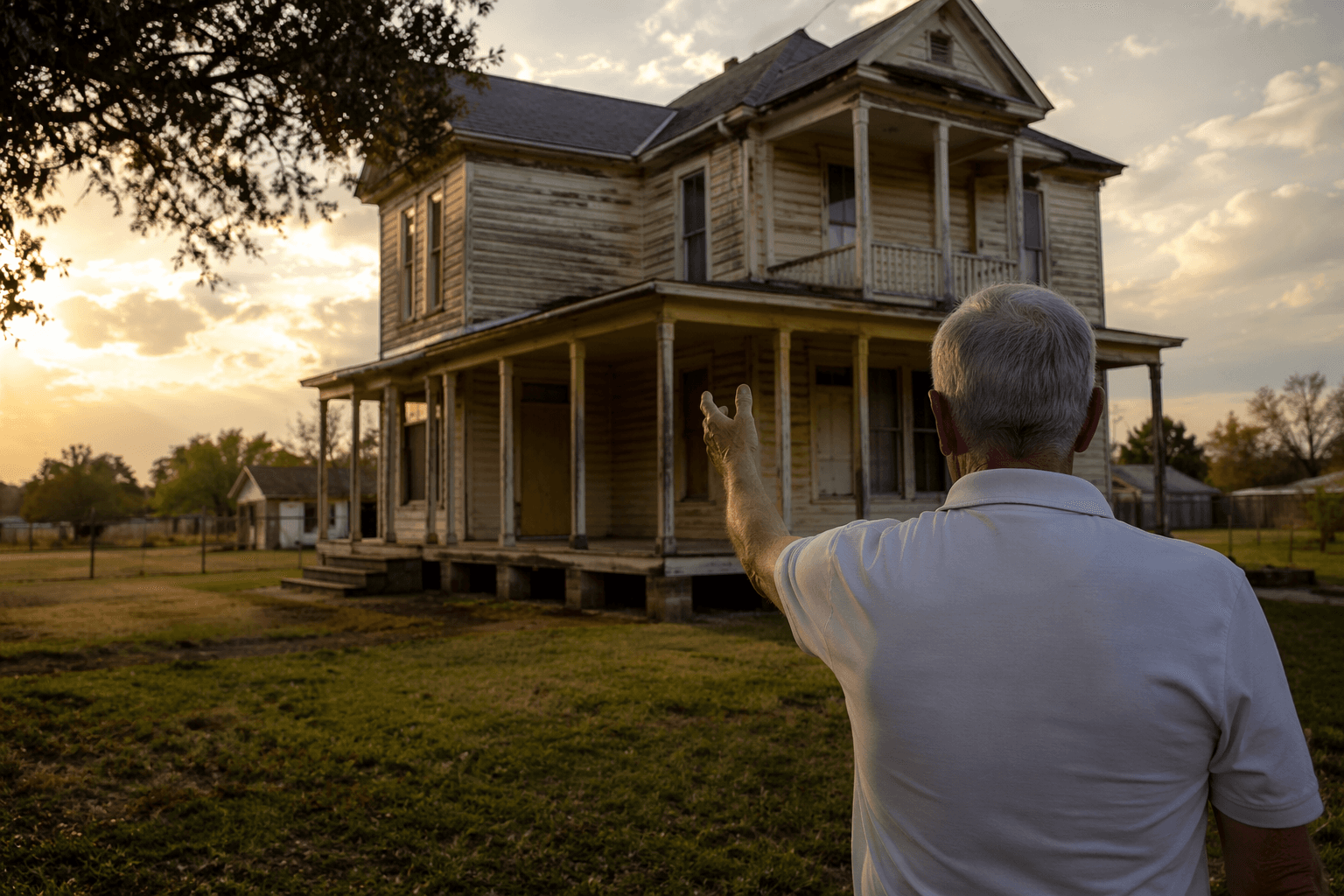
Built by local inventor and farmer William E. Stone, Stonehaven has been continuously owned and used by members of the William and Charlotte Stone family since 1912, except for a few years in the 1970s when it was rented to a local high school teacher, according to the society. The group says the site’s history stretches back further, with an original land patent issued in 1850, transferred in 1851 to Daniel Herring, and the 40-acre plot later coming to Josiah Stone in 1890.
Josiah Stone was among the first trustees of land for Wylie’s first Methodist church, the society says, and the family’s imprint remains visible in street names such as Stone Street and Stoneybrook Street. For preservation advocates, that is what is at risk if the relocation stalls: not just a house, but a physical link to Wylie’s agricultural, religious and civic origins.

The debate is not new. Wylie City Council discussed competing visions for Stonehaven in a Dec. 9, 2025 work session, continued the topic in January, and had already directed staff in 2020 to proceed with renovating historic properties including Stonehaven and the Brown House for public use. City ordinances approved in 2015 and 2017 created a framework for the historical society to own Stonehaven and operate it as a museum while it remained on city parkland in the Stone Ranch subdivision.
Founded in 2011 as a 501(c)(3) nonprofit, the Wylie Historical Society said it would keep fundraising and keep talking as the city reassesses its options. For now, Stonehaven remains the test case for how Wylie weighs growth, cost and land use against the places that gave the city its identity in the first place.
This article was produced by Prism’s automated news system from verified source data, official records, and press releases, then run through automated quality and moderation checks before publishing. The system is built and supervised by the people who set the standards it runs under. Read our full AI policy.
Did this article answer your question?