Baylor researcher shows how 3D printing aids blind students in Gatesville
Baylor researcher Bryan Shaw showed Gatesville how 3D printing can turn science images into touchable lessons for blind students and sighted classmates alike.
At the Gatesville Public Library, a monthly Vision Connect meeting turned into a live demonstration of how 3D printing can make science easier to grasp for blind and visually impaired students in Coryell County. Baylor University professor of chemistry and biochemistry Bryan Shaw spent April 15 showing how tactile graphics and lithophanes can turn flat scientific data into something a student can feel.
The setting mattered. Instead of a laboratory or a conference hall in Waco or Austin, the presentation took place in a familiar public space in Gatesville, where the practical value was easy to see: a tool that can help a student in a local classroom, a teacher looking for new materials, or a family trying to find better ways to support learning at home.
Shaw’s research focuses on using 3D printing to make scientific data accessible to blind and visually impaired people. Baylor says his team has also worked on 3D-printed atomically accurate protein models for students who are blind or visually impaired. The work is not just theoretical. Baylor’s lithophane research was published in Science Advances in August 2022 and was supported by a five-year National Institutes of Health Science Education Partnership Award grant in partnership with the Texas School for the Blind and Visually Impaired in Austin.
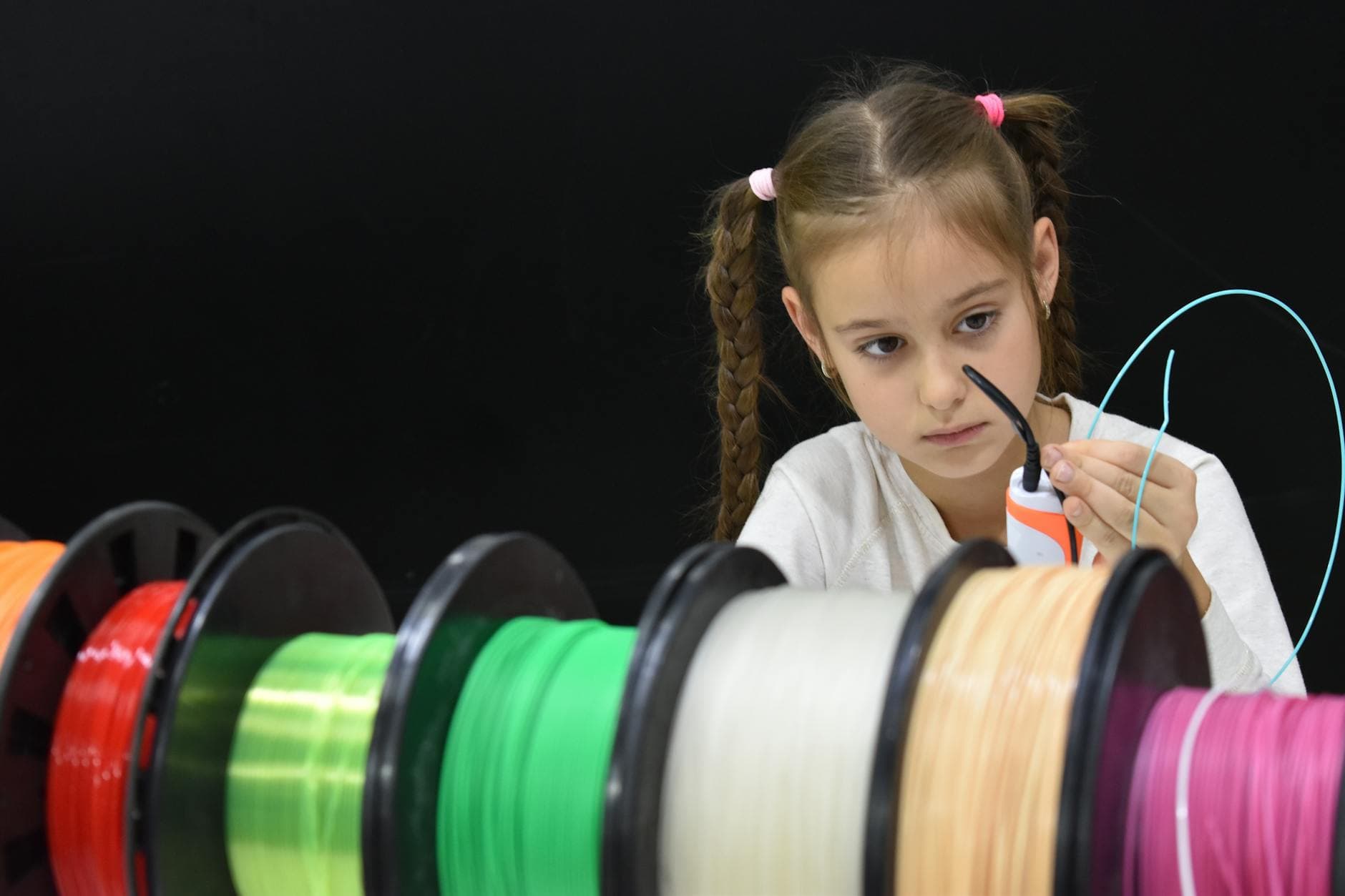
The Science Advances study reported that participants could interpret lithophane versions of gel electropherograms, micrographs, electronic and mass spectra, and textbook illustrations by touch or sight with 79% or better accuracy. Baylor said the approach is meant to let blind and sighted users access the same scientific image or data format, which gives it value in classrooms where teachers need one resource that works for more than one kind of learner.
That made Shaw’s visit more than a research talk. It showed how a technology many people associate with hobby shops and prototypes can carry real educational weight. In Gatesville, the takeaway was immediate: 3D printing can help turn abstract science into something tangible, opening a door for students who learn by touch and giving educators another way to reach them.
This article was produced by Prism’s automated news system from verified source data, official records, and press releases, then run through automated quality and moderation checks before publishing. The system is built and supervised by the people who set the standards it runs under. Read our full AI policy.
Did this article answer your question?