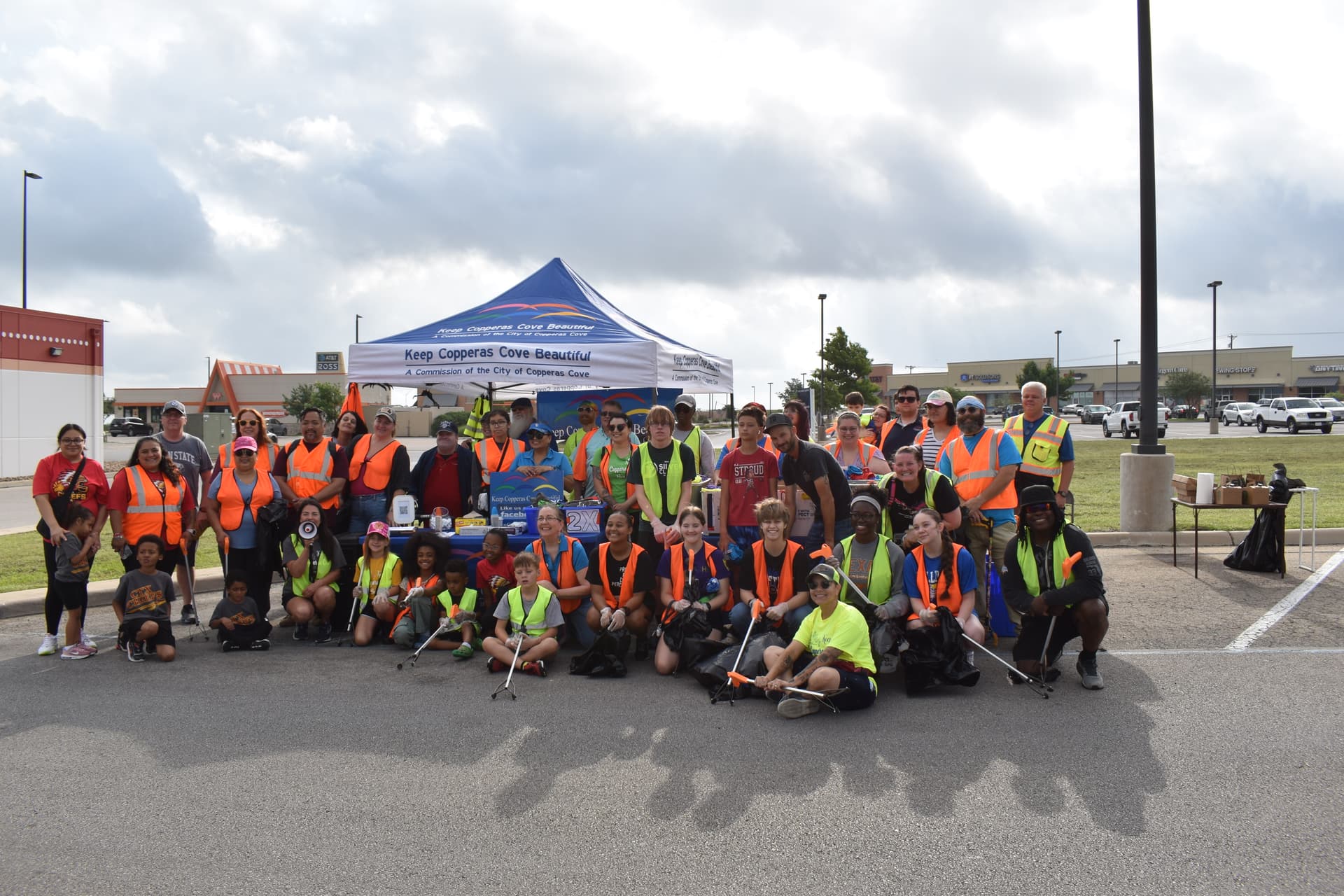
Copperas Cove grows into Coryell County's largest city
Copperas Cove's growth is now measurable: 39,627 residents in 2024 and about 8,000 students in CCISD. The larger city still traces its identity to a 150-person ranching town.
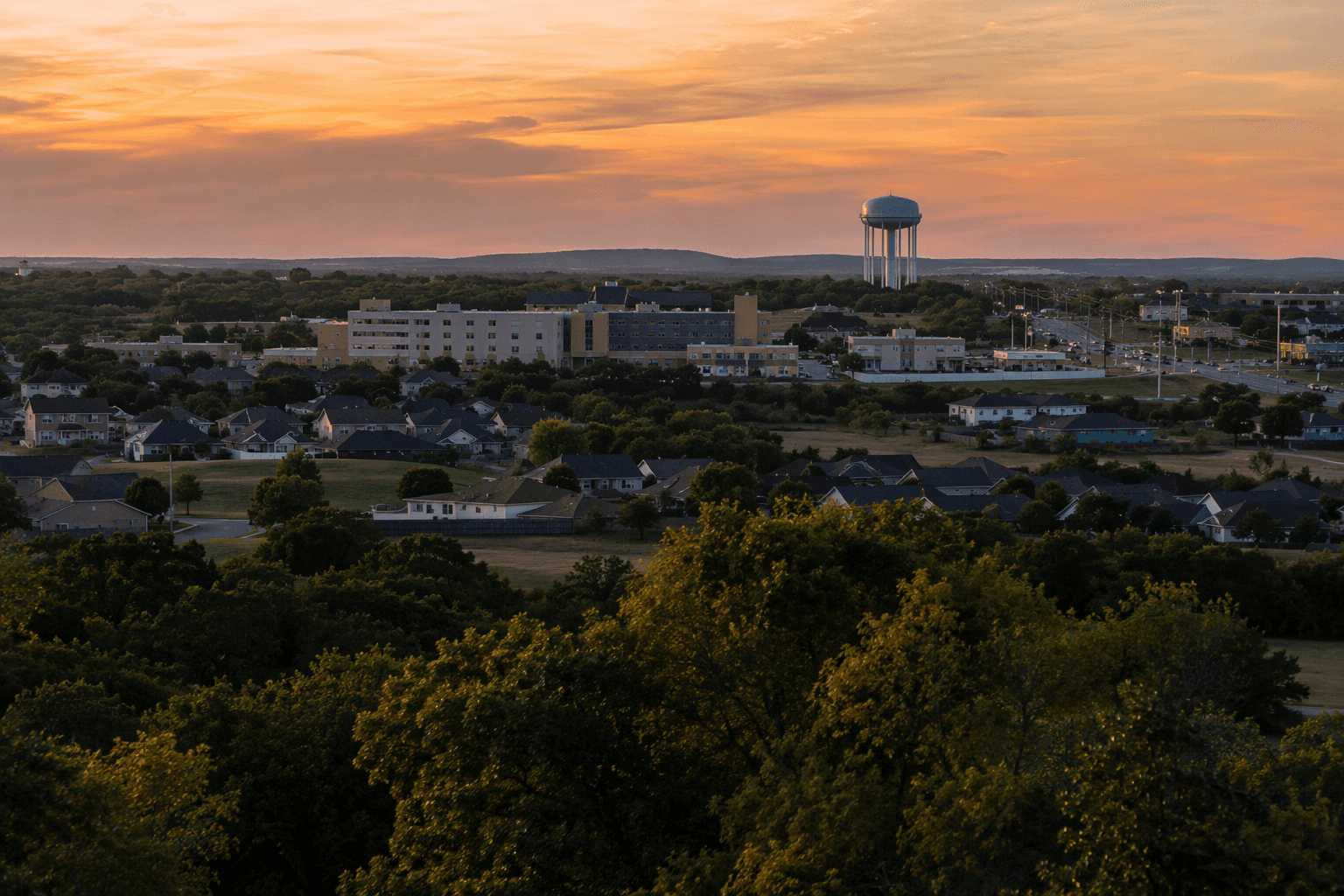
Copperas Cove is no longer just the ranching stop it was in the 1870s. The city has become Coryell County’s largest municipality, with a 2024 population of 39,627 and a school district serving about 8,000 students. That size brings more influence, but it also raises the question now hanging over the city’s growth: what changes when a small-town identity becomes a regional center?
From ranch country to county anchor
The Texas State Historical Association traces Copperas Cove to a small rural ranching and farming community that took shape in the 1870s. City and chamber materials say the name came from mineral-tasting water from a nearby spring, a detail that still gives the town a local legend rooted in place rather than in development. The Copperas Cove Leader Press archive adds that the original township began around a general store and had a population of about 150.
That first era changed fast once the railroad expanded into the area in the late 1880s. Another major lift came in 1942 with the construction of Camp Hood, later Fort Hood and now Fort Cavazos, which tied the city’s fate to the military economy that still shapes Central Texas. Copperas Cove’s story has always been about more than one turning point, but those two events turned a hamlet into a city with regional weight.
Growth by the numbers
The scale of that change is now visible in the population count. The U.S. Census Bureau’s QuickFacts lists Copperas Cove’s population estimates base at 36,670 on April 1, 2020, while Data Commons reports a population of 39,627 in 2024. That is an increase of roughly 8 percent in four years, a pace that helps explain why Copperas Cove now sits at the center of so many Coryell County conversations.
Data Commons also places the city’s median age at 34.1 in 2024, which points to a comparatively young community for a city of this size. Copperas Cove is described in civic sources as part of the Killeen-Temple-Fort Hood metropolitan area, and its economy remains closely tied to Fort Cavazos. In practical terms, that means the city is not growing in isolation. Its labor market, customer base, and family life are connected to the same military and regional shifts that affect the broader corridor.
Schools feel the pressure first
Copperas Cove ISD offers one of the clearest snapshots of how population change lands on daily life. The district’s 2024-2029 strategic plan says it serves approximately 8,000 students across 11 campuses, including one pre-K academy, six elementary schools, two junior highs, and one traditional high school. Those numbers matter because they show growth not as an abstract trend, but as more children in classrooms, more families in school attendance zones, and more demand on local public services.
The district’s fortunes are also linked to Fort Cavazos in a way that can cut both directions. A KWTX report said Copperas Cove ISD faced the loss of millions of dollars in federal funding because the number of students with military ties had shrunk. That kind of shift shows how closely the city’s school funding, enrollment stability, and neighborhood planning are tied to military relocation and household turnover.
What growth changes for the rest of the county
Copperas Cove’s expansion reaches beyond city limits. The city’s growth affects Gatesville and rural parts of Coryell County because it changes where people work, shop, attend events, and seek services. When one city becomes the county’s largest population center, it naturally pulls more of the county’s attention, even as smaller communities hold onto their own identity and pace.
The city has also had to plan for that growth instead of simply celebrating it. Local coverage and district materials point to a 2020 comprehensive plan update and land-use meetings, signs that the community was already working through where development should go and how fast it should happen. That is the real pressure test behind the phrase “city on the move”: not whether Copperas Cove is growing, but whether streets, schools, and public spaces can keep up with what growth brings.
A city built for families, and for tradeoffs
Copperas Cove’s own branding captures the split identity well. City materials describe it as “The City built for Family Living,” while also calling it “The City of Five Hills.” Those labels reflect a place that wants to keep its livable, local feel even as it becomes more important to the county and to the Fort Cavazos economy.
The tradeoff is visible in the numbers and in the city’s history. Copperas Cove has moved far beyond the 150-person township around a general store, yet its identity still leans on the same landscape and community memory that shaped it in the first place. That is what makes the city’s growth meaningful for Coryell County now: it brings more people, more institutions, and more influence, while forcing longtime residents to decide which parts of the old Copperas Cove still belong in the new one.
This article was produced by Prism’s automated news system from verified source data, official records, and press releases, then run through automated quality and moderation checks before publishing. The system is built and supervised by the people who set the standards it runs under. Read our full AI policy.
Did this article answer your question?