Copperas Cove’s first post office tells frontier origins story
Copperas Cove’s first post office shows how a stage road, rail line and spring-fed name shaped the city’s footprint. Preserving it keeps that frontier history visible, not forgotten.

The Ogletree Stagestop and Post Office is more than a preserved building tucked off U.S. Route 190. It is the place where Copperas Cove’s story turns from open frontier to organized town, with mail service, stage travel and basic commerce setting the map long before the city took its modern shape.
That matters now because the site still gives Coryell County a clear, visible answer to a question many communities struggle to explain: why did this town grow here, and not somewhere else? At Ogletree Gap Park, about 1.6 miles southwest of Copperas Cove, the old post office and stage stop makes the answer tangible. If locals treat it as a quaint relic, they lose one of the strongest tools for understanding the city’s identity, its tourism appeal and the heritage base that future downtown development can build on.
A frontier building that did real work
Marsden Ogletree migrated from Georgia and received a land grant in 1878. The structure tied to his name was erected the same year, with inscriptions on two stones in the house marking that date. It did not begin as a museum piece or ceremonial landmark. It served as the Ogletree family home, a grain store, a ranching office and a stopping place for the Lampasas-to-Belton stagecoach, which placed it squarely inside the daily traffic of the frontier.
The post office opened there in March 1879, with Ogletree serving as postmaster. That detail is important because postal service was not a symbolic extra for remote settlements. It was the infrastructure that connected ranching families, travelers and merchants to the outside world, and it often arrived before a town had any real claim to permanence. Copperas Cove’s first post office was officially established in that month, giving the community its first institutional anchor.
How Copperas Cove got its name
The name itself came out of necessity. Residents first tried to secure a post office under the name Cove, but postal authorities rejected it because another Texas post office already carried that name. The new name, Copperas Cove, came from the mineral taste of the water in a nearby spring, which gave the settlement a geographic identity rooted in the land rather than a borrowed label.
That naming path still says something about how communities formed in Coryell County. People did not begin with city halls, subdivisions or downtown master plans. They began with a spring, a route and a place where a letter could be sent or a wagon could stop. The town’s later spelling was standardized in 1901, but the earlier name trail from Cove to Copperas Cove preserves the logic of frontier settlement: practical first, official second, permanent last.
The building also captures the region’s transportation history. A feeder route of the Chisholm Trail passed through Copperas Cove, linking the area to the cattle economy that powered large parts of central Texas. Then the Gulf, Colorado and Santa Fe Railway reached the area in 1882, and residents moved the townsite about two miles northeast to take advantage of rail service. That shift shows how quickly a community could reposition itself when a new transportation line altered the route of trade and travel.
The city grew around the route, not the other way around
By 1884, the community had a steam gristmill-cotton gin, five general stores, a hotel and 150 residents. Those numbers matter because they show the speed of transition from a stopping point to a working town. In less than a decade, Copperas Cove moved from a post office and stagecoach stop to a place with enough commercial activity to support milling, retail and lodging.
That sequence still shapes how the city reads on the ground today. The old stage stop explains why the historic core emerged where it did. The railroad relocation explains why the settlement’s center shifted. Together, they show that Copperas Cove was never a random patch of buildings. It was a community formed by access, movement and service, then redirected by the arrival of rail.
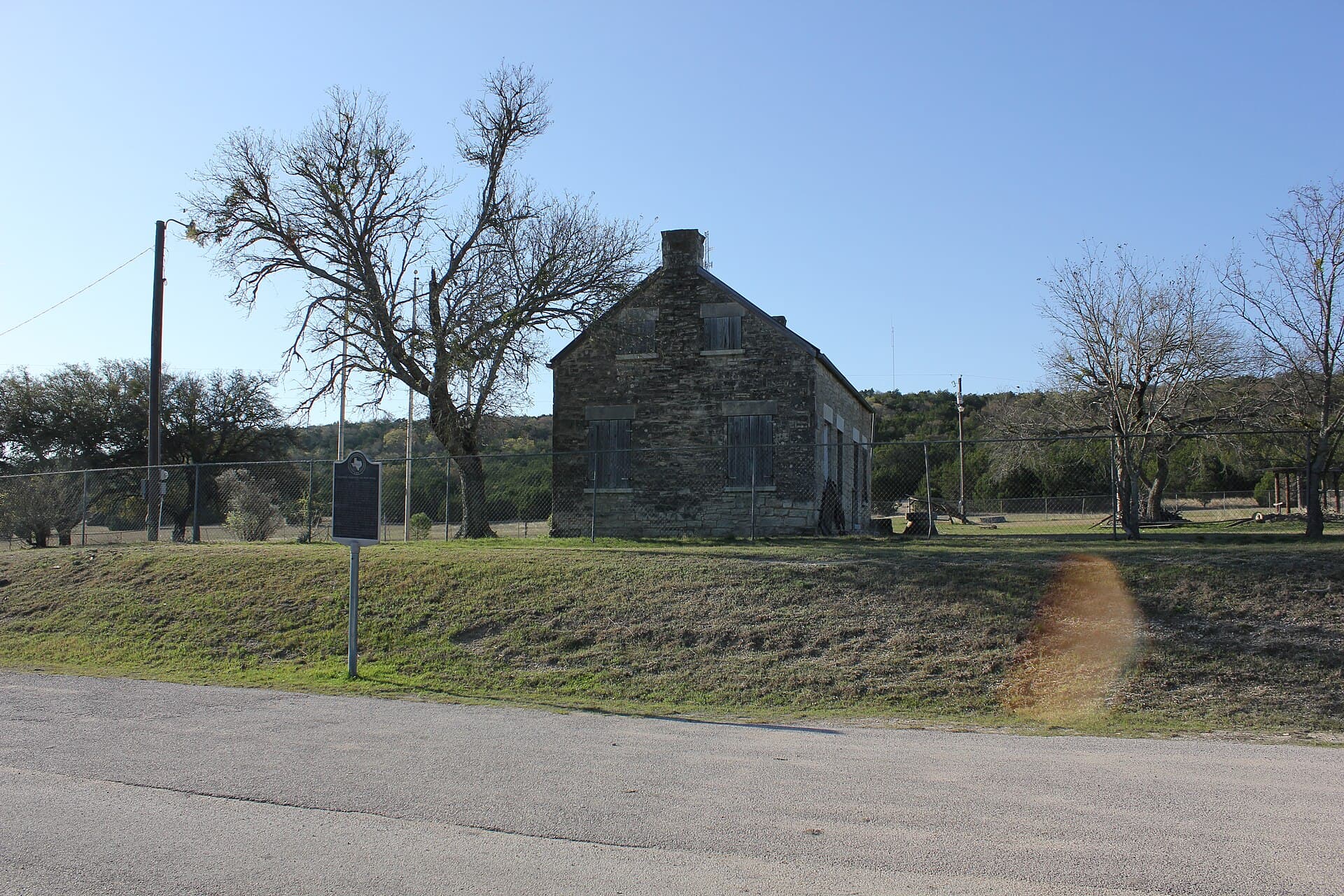
For present-day Copperas Cove, that history has practical value. Heritage sites like the Ogletree Stagestop give visitors a reason to stop, not just pass through. They also give downtown development a story line that can support local pride without turning history into decoration. A city that can point to the first post office, the stage road and the rail shift has a stronger identity than one that treats its origins as background noise.
Why preservation still matters
The Copperas Cove Stagestop and Post Office was listed on the National Register of Historic Places on September 26, 1979. The listing includes one contributing building and one contributing structure, and the building has also served as the Martin I. Walker Historical Museum. That combination matters because it keeps the site in public use rather than leaving it as a sealed-off artifact.
The place also remains part of local civic life through Ogletree Gap Park and its association with the annual Ogletree Gap Festival. That gives the landmark a public role that goes beyond archival value. Residents can encounter the site not just as a marker of the past, but as a visible reference point for community gatherings, seasonal visitation and local history education.
For Coryell County, the lesson is direct. Copperas Cove did not emerge first as a city and then search for a story. It grew out of a post office, a stage route, a spring and a rail line, and the Ogletree site still lets people see that sequence in one place. Protecting it preserves more than a building. It preserves the map of how Copperas Cove became Copperas Cove.
This article was produced by Prism’s automated news system from verified source data, official records, and press releases, then run through automated quality and moderation checks before publishing. The system is built and supervised by the people who set the standards it runs under. Read our full AI policy.
Did this article answer your question?