Coryell County commissioners weigh constable vehicle repairs, jail agreement with Falls County
A worn-out Precinct 3 constable truck and a Falls County jail agreement put Coryell County's fleet and detention costs back on the commissioners' table.
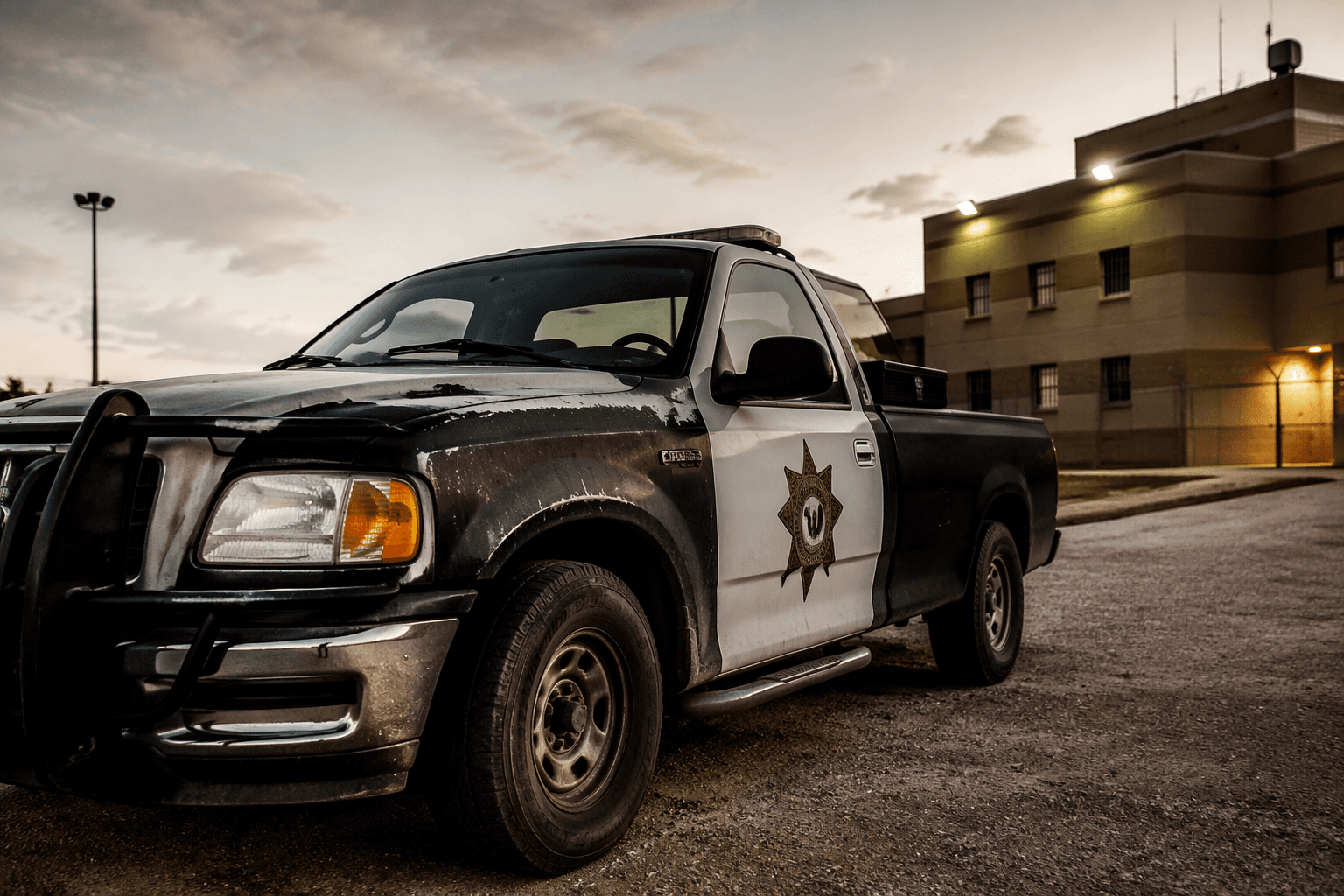
Coryell County commissioners spent part of their Tuesday, July 14 meeting deciding whether to repair or replace a vehicle used by Precinct 3 Constable Daniels, whose previous truck was no longer fit to be driven. The same court also took up an interlocal agreement with Falls County that involved inmates, putting jail operations and transport costs in the same budget conversation as county vehicles.
Daniels told commissioners he was using a hand-me-down truck after his own vehicle gave out. In a county where offices depend on a small fleet to cover a wide area, that kind of breakdown can quickly become more than a maintenance problem. It can affect how fast a constable can move across Precinct 3, keep up with daily duties and keep county services running without interruption.
The Falls County item pointed to a different pressure point: detention. When inmates enter the discussion, county governments are usually dealing with some combination of jail capacity, transport logistics, custody responsibilities or the costs of housing people elsewhere. Agreements like that can be used to share the burden when one county needs help managing overflow or moving detainees, and they often decide who pays for transport, where inmates are housed and how long those arrangements last.

Other Texas counties have used similar deals to handle jail pressure. In one South Texas agreement, Hidalgo County and Cameron County arranged for about 100 overflow inmates from the Hidalgo County Jail to be transferred to Cameron County, and transporting inmates between the counties was one of the issues officials addressed. That kind of setup shows why a Falls County agreement would matter to Coryell County taxpayers: the terms can change how much local law enforcement spends on staffing, transport and detention before an inmate ever reaches a local cell.
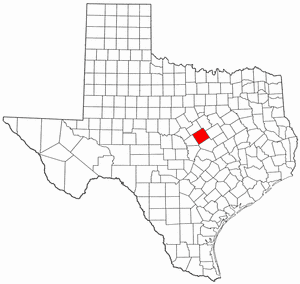
The July 14 discussion was not the first time Coryell County commissioners had been forced to weigh vehicles against other core duties. On Friday, May 29, the court also discussed potential orders involving law enforcement personnel vehicles and bridge funding, a meeting moved off the usual Tuesday schedule because the primary runoff election was held May 26. Taken together, the two sessions show the county returning repeatedly to the same practical question: how to keep public safety, transportation and basic government work moving when equipment wears out and operational costs keep rising.
This article was produced by Prism’s automated news system from verified source data, official records, and press releases, then run through automated quality and moderation checks before publishing. The system is built and supervised by the people who set the standards it runs under. Read our full AI policy.
Did this article answer your question?