Coryell County flood project halfway done, ahead of schedule
New gauges and flood models are moving ahead in Coryell County, but the countywide warning network is still being built after 2024’s deadly flooding.
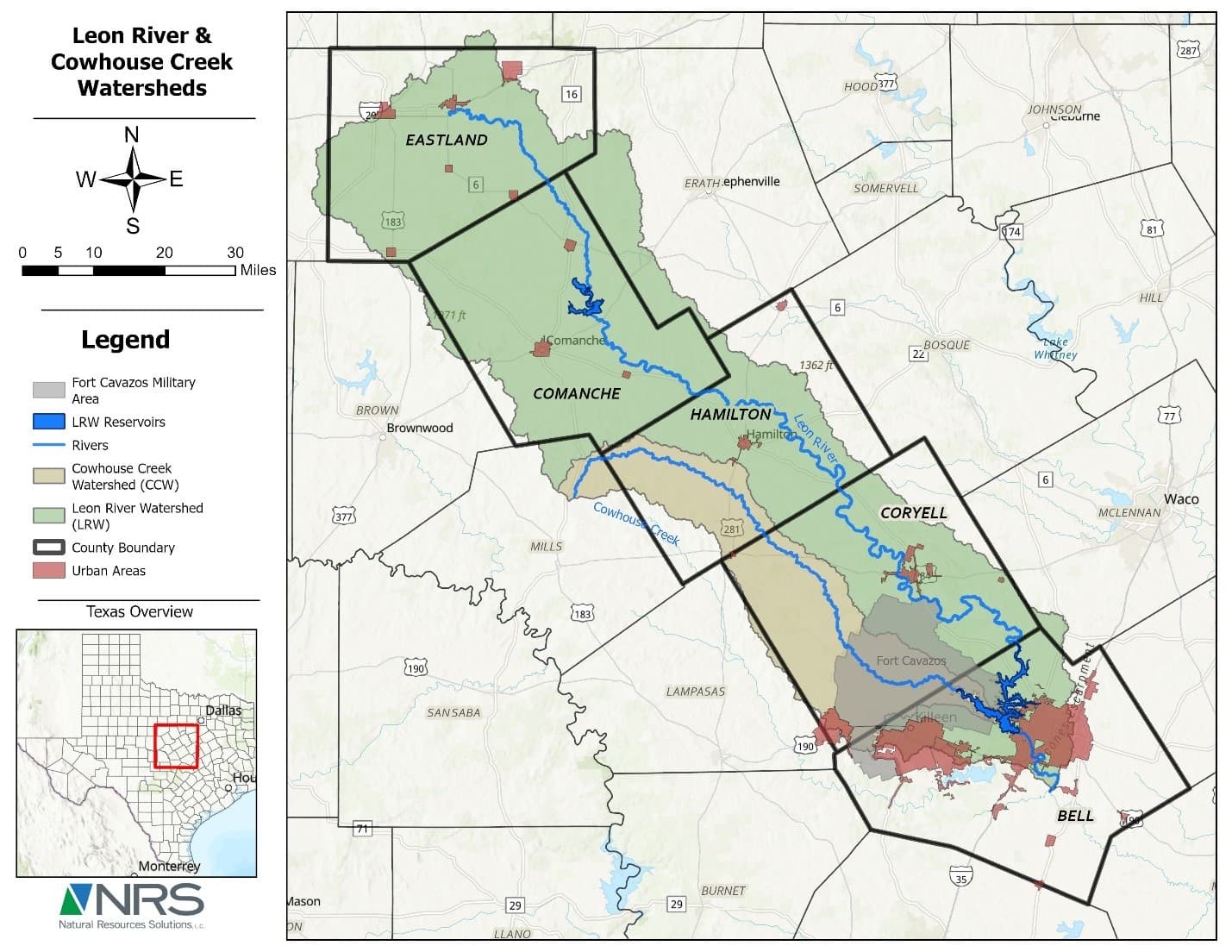
Families in flood-prone parts of Coryell County are closer to getting faster flood alerts, but the countywide warning system is still under construction. Leaders said the Leon River and Cowhouse Creek watershed project is halfway through a 36-month timeline, has been underway for about 18 months and is ahead of schedule on deliverables.
The work is meant to turn flood prediction into something residents can use in real time. Texas General Land Office materials say the project has $4 million in CDBG-MIT mitigation money and is designed to build the foundation for a state-of-the-art automatic flood warning system that would be funded by the U.S. Army Corps of Engineers. Texas A&M AgriLife Research signed a separate $3.9 million contract with the GLO in November 2024 to support surface flow models for flash-flood warning and mitigation planning, with help from the American Conservation Foundation, RRG Professional Engineering and the Texas A&M Institute for Science, Technology and Public Policy.
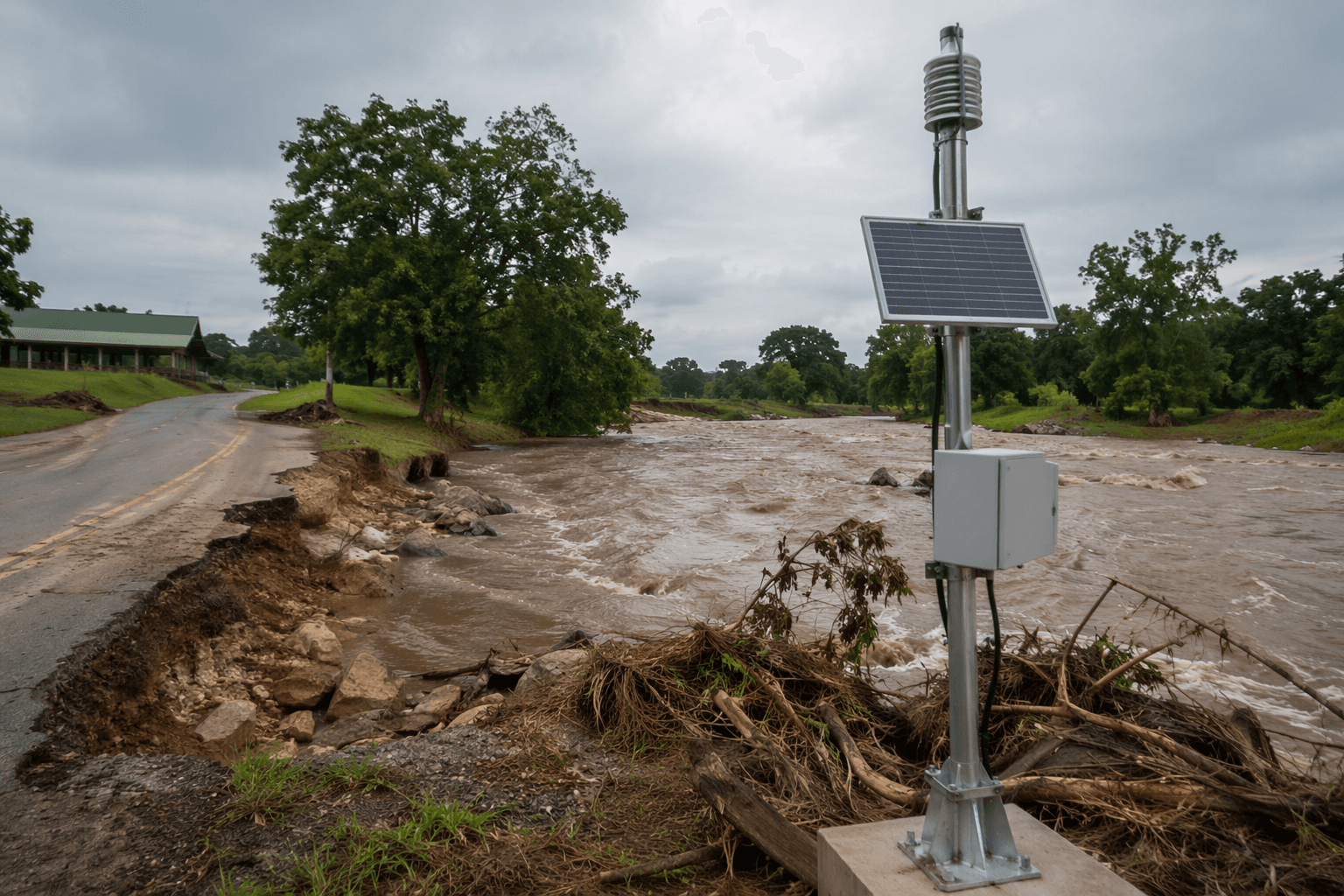
The system is being built for a broad stretch of Central Texas, not just Coryell County. Hamilton, Eastland, Comanche and Bell counties have joined the project, and Mills County is seeking to join. AgriLife says the watershed area is home to about 450,000 people now and could surpass 700,000 by 2045, with flood risk rising as rural upstream terrain gives way to more urbanized areas downstream in Coryell and Bell counties, including Gatesville, Killeen, Temple, Belton and parts of Fort Cavazos.
The urgency comes from recent disaster. Coryell County declared a local disaster after the May 4-5, 2024 flood, when some areas received as much as 6 inches of rain on May 4 and another 5 to 6 inches in the previous seven days. The county said the flooding drove a historic rise in Leon River water levels for May 5 and damaged roads, infrastructure, homes, businesses and agricultural and ranching lands. GLO materials say three people were killed in flash flooding in Coryell County in 2024, and that the county averaged 1.8 flood deaths a year over a 20-year period.
Researchers have already gathered flood history, mapped impacted communities and studied how water moves across the landscape during major storms. The next phase calls for more stream-level sensors, more rain gauges, expanded flood modeling and better real-time information as storms develop. Steve Manning of Natural Resources Solutions pointed to the June 2024 flood, when the Cowhouse rose 12 feet in three hours, as a reminder of how fast conditions can change. Brittany Eck of the Texas General Land Office said flooding does not respect jurisdictional boundaries, which is why county lines are no safeguard when the next storm arrives.
This article was produced by Prism’s automated news system from verified source data, official records, and press releases, then run through automated quality and moderation checks before publishing. The system is built and supervised by the people who set the standards it runs under. Read our full AI policy.
Did this article answer your question?